
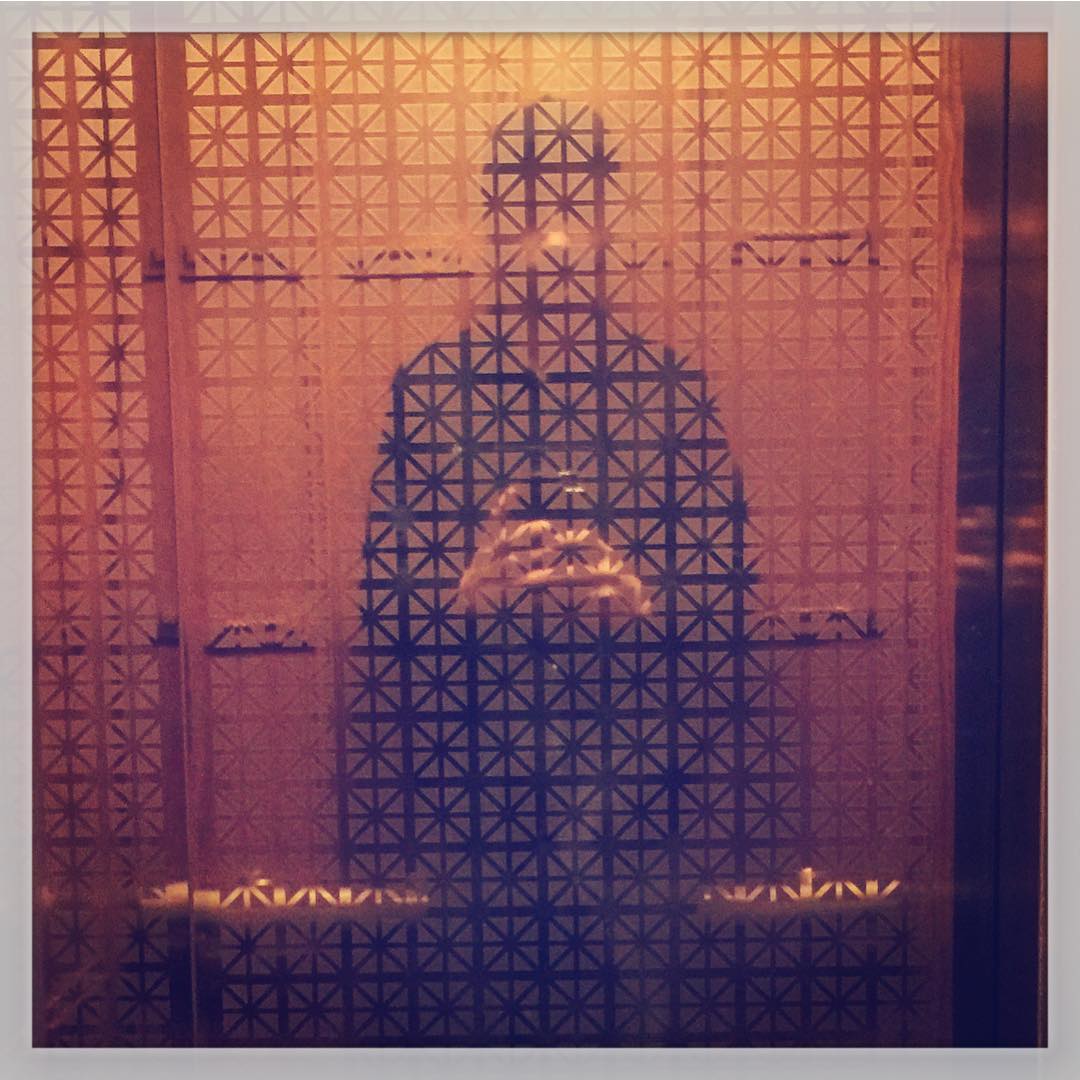
In the elevator’s mirror, the city folds in on itself.
The patterned screen between me and my own reflection turns a simple selfie into a kind of stained glass: a hooded outline, a face half-found, the light flattened into warm, tired amber. The subway has a way of doing that—taking whatever you bring down with you and translating it into something quieter, more private.
Somewhere above, the day is moving without me. Down here, it’s all small rituals. Waiting. Listening. Holding a plastic card that decides how far you can go and how long you can linger between places.
A monthly MetroCard is such a strange little promise: unlimited movement, but only within the same familiar corridors. It becomes a talisman you check and re-check, as if losing it would mean losing the map of your own routines. You tap, you ride, you climb the stairs, you find the elevator when your legs or your patience ask for mercy.
Calling it a pilgrimage feels almost honest. Not because it’s holy, but because it’s repeated. Because it asks you to keep showing up—descending into the same tiled tunnels, trusting the same rattling doors, letting the city carry you even when you’re not sure what you’re heading toward.
And in the mirrored hush between floors, you catch yourself and think: I’m still here. Still moving.
