
Wedding Date is Set, September 7th 2019
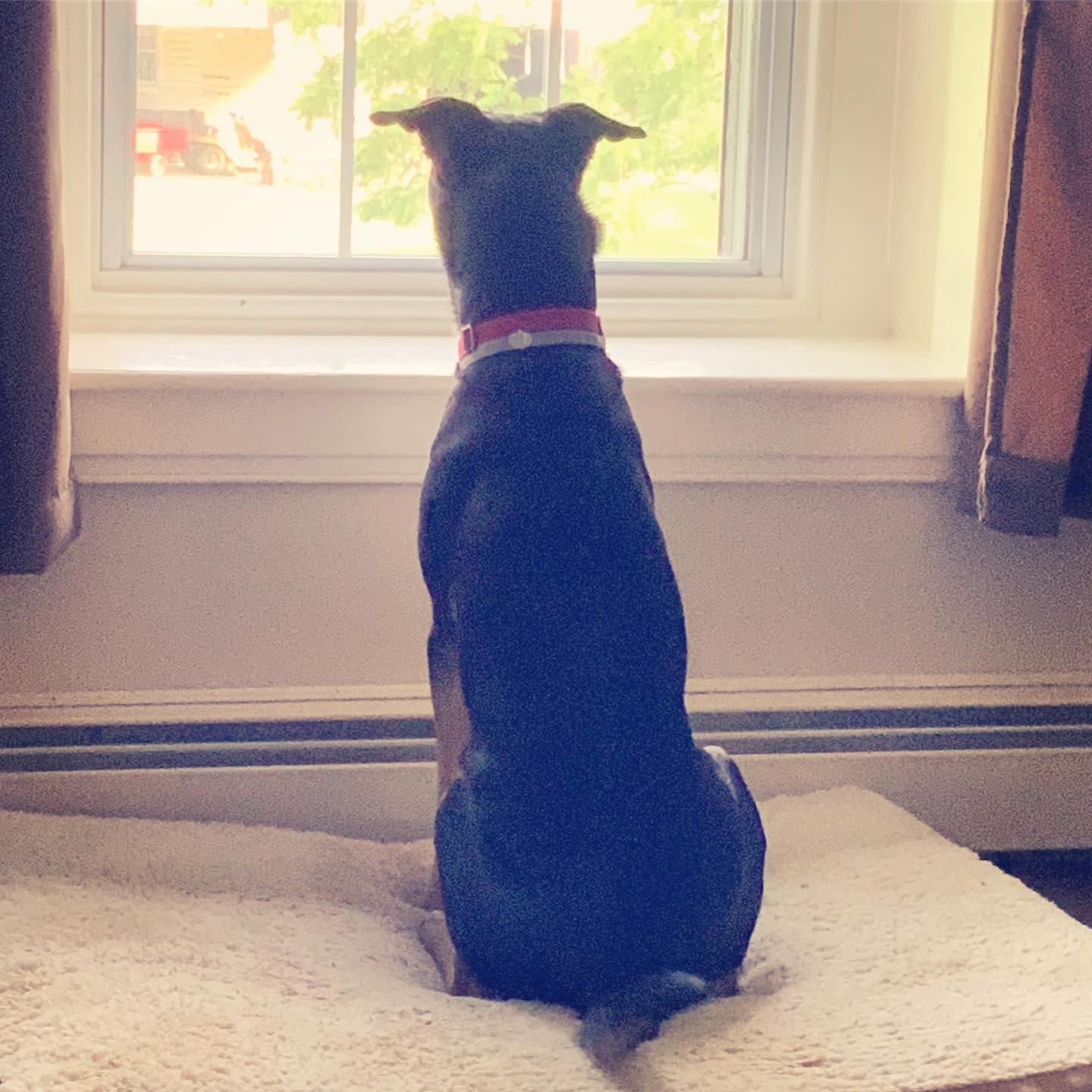
So its official Angel and I are engaged and have set our wedding date in September. We are so excited to celebrate with our friends and family and our beloved puppy Dyson.
Find us on instagram:
If you want to send us some best wish see our instagram accounts @takenbyanangel @zamartz and @dysoncyclone
We don’t have a registry because apartment space is limited and admittedly I (Zach) am a “particular person”… or so I’m told… lol
so you can Donate to the wedding with paypal:
send us a donation here : paypal.me/zamartz
Or Donate here on the website
[products columns=”2″ orderby=”title” order=”ASC” ids=”16701, 16737″]
| #azwedding #wedding #loveislove
| ???️?
| Read Insta-comments -> https://bt.zamartz.com/2XAeo7U