Private Cocktail Venue

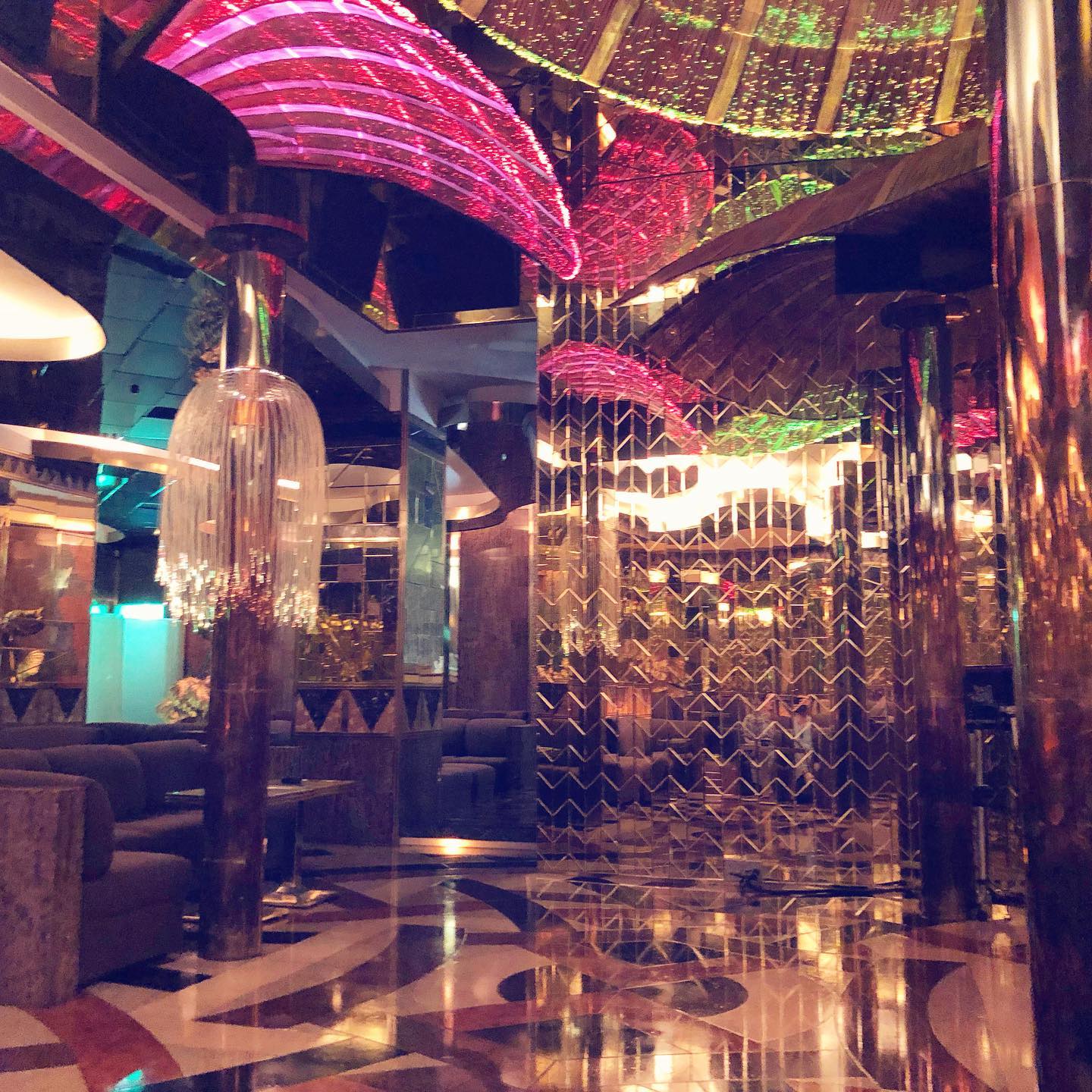
The first thing you notice is the light.

It doesn’t just sit on the ceiling—it spills, curves, and drifts across the room in bands of magenta and green, turning the polished surfaces into little pools of color. The space feels carefully built for a certain kind of quiet: the kind you settle into when you’re handed a drink that took its time.

Private Cocktail Venue suggests exactly what it is—somewhere between a lounge and a hideaway. Plush seating wraps around low tables. Glass and mirrored textures catch reflections and multiply them, so the room seems larger than it should be, like it’s holding more than what’s in plain view.

In Japan, bars like this can feel like small worlds with their own weather. Step in from the street and the day drops away. The conversations soften. The lighting does half the talking. You can sit back and listen to one world press up against another: the hum of the city outside, the slow clink of ice inside.

If you’re looking for a private cocktail spot that leans into atmosphere as much as it does the drinks, this one feels made for lingering. Not rushed, not loud—just composed, reflective, and a little mysterious, in the best way.

If you’re curious about what others ordered and how the night unfolded, the Instagram comments are worth a read.

Breakfast before Exploration

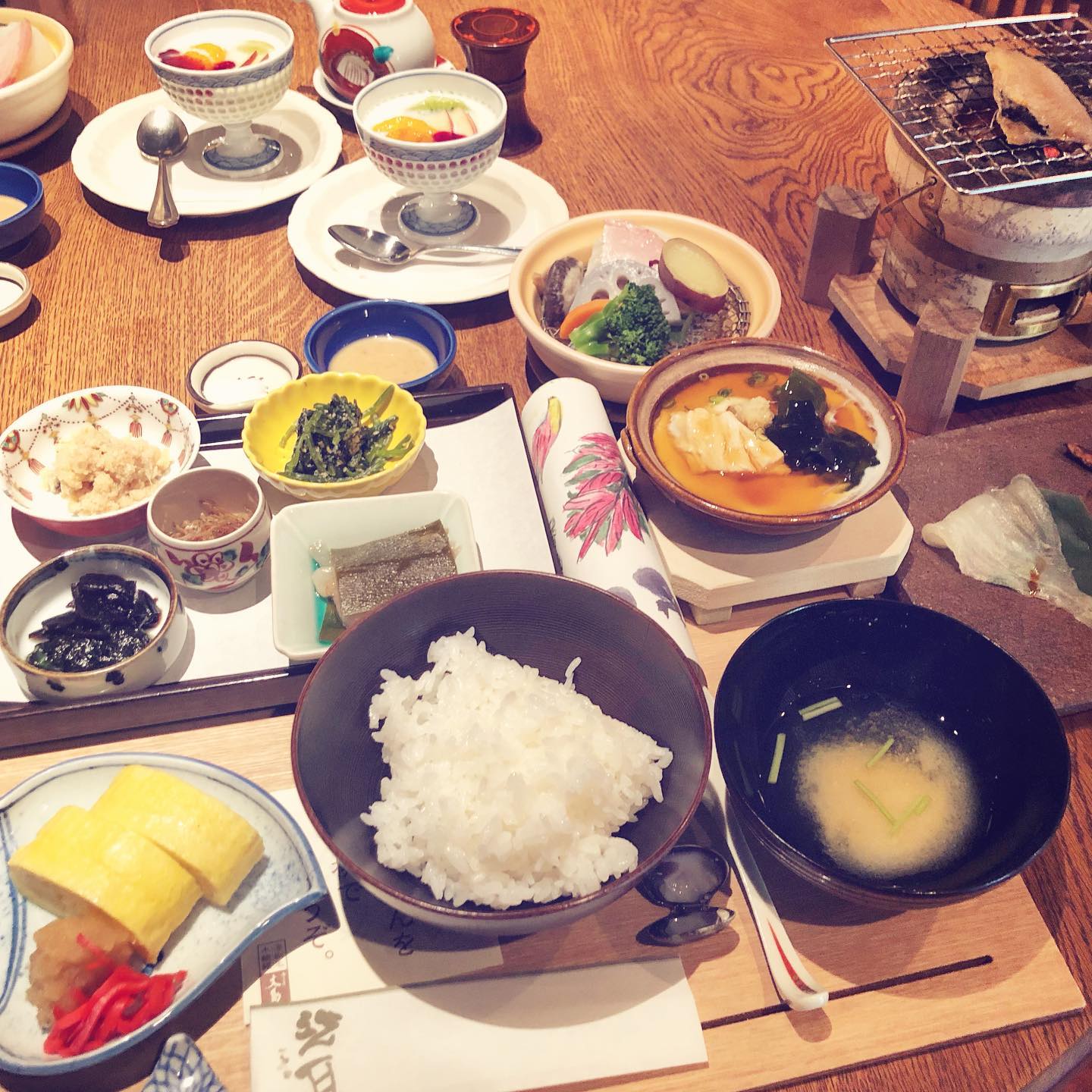
The day starts the way I like it best: quietly, with warm wood under everything and small dishes that make you slow down. A Japanese breakfast set arrives like a little map of the morning—rice steamed into a soft white mound, miso soup still sending up a faint cloud, and tamagoyaki cut into neat, sunny blocks.

Around it, the table fills in the details. Pickles, seaweed, a few vegetables, and bowls that feel like they’ve been used for years, washed carefully, and put back where they belong. At the edge, a small grill does its steady work, the kind of heat that makes the air smell like salt and patience.

Before exploration, there’s this: a moment to be in one place. Travel can make you feel like you’re always arriving late to your own life, but breakfast like this pulls you back. It asks you to notice textures, to listen for the soft clink of ceramic, to let the warmth of soup and the steadiness of rice set the pace.

Outside, the day is already moving. But here, for a little while, everything is arranged, balanced, and calm. Then you stand up, step out, and let the morning unfold.

Boyfriend Who Bridge at Onsen

The bridge near the onsen curves forward like it already knows where your feet will land. Steel ribs cross overhead, framing a ribbon of boardwalk and sun-warmed rails. Beyond it, the hills stack up in soft green layers, and everything feels briefly suspended—half engineered, half borrowed from the mountains.

He stepped into the moment with the kind of seriousness that’s usually reserved for jokes. A bridge pose, right there in the middle of the walkway—back arched, hands planted, body making its own small span. It was simple and strange in the best way, like adding a secret door to an ordinary afternoon.

Travel is often like that. You go looking for water and quiet, and you end up finding a new angle on someone you thought you knew. The onsen promises a reset, but the real reset happens in the in-between spaces: the walk there, the light on the beams, the way laughter echoes and then disappears.

After, the path keeps curving. The forest stays put. And for a while, the day feels bigger than your plans—held up by metal, wood, and a goofy, perfect little act of balance.

Room with a View

Some places don’t ask for your attention—they just hold it.

From the room, the view is a pale bridge suspended in a thick spill of green, the kind of structure that looks like it’s been there long enough to forget who built it first. The arches repeat like a quiet sentence. Nothing dramatic happens, but everything feels alive anyway: leaves layered over leaves, a shaded river cut below, the suggestion of cool air moving even when you can’t see it.

“Room with a View” is an easy phrase to say, but it’s rarer to feel. A good view doesn’t just show you something pretty; it gives you space to hear your own thoughts. It makes the world feel settled—worn in, not worn out. The bridge does that. It connects two sides you can’t quite see, and for a moment it makes you content to stay on your side and simply look.

In a ryokan, the day tends to slow down around small rituals: the soft shuffle of steps, the quiet order of a meal, the way light changes on paper and wood. Outside, the green presses close, and the bridge stands firm in it—stone and concrete holding their breath while the trees keep growing.

It’s not the kind of view you photograph to prove you were there. It’s the kind you return to, because it reminds you how to be still.

Almost time for bed …

There’s a certain hush that settles over a place when the day is finished with you.

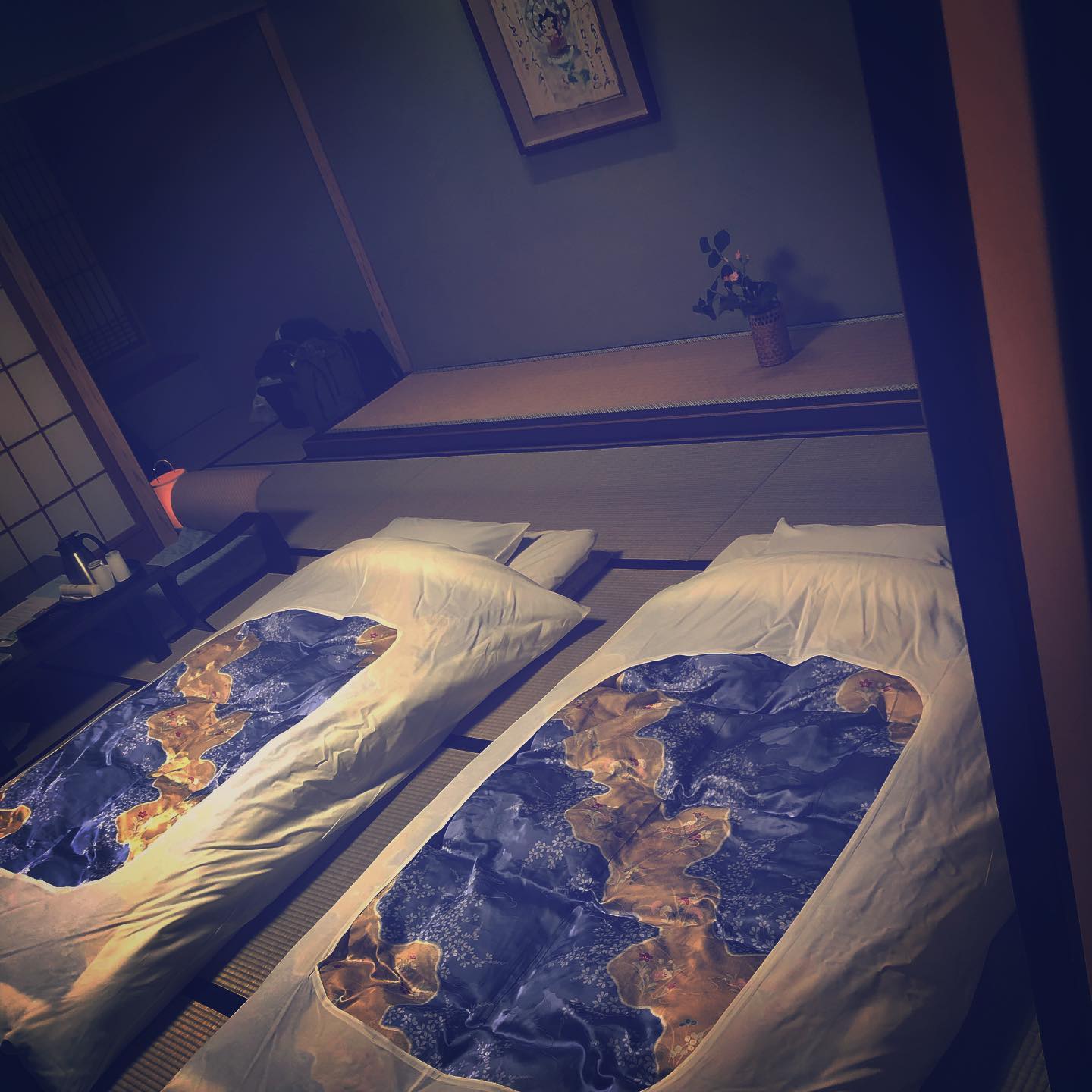
Almost time for bed … and the ryokan room has already done the quiet work of turning itself into a small refuge. Two futons laid out on tatami, folded comforters with deep blue patterns like water in low light, and that soft, practical order you only notice when you finally stop moving.

The walls feel plain in the best way—nothing fighting for attention. A simple arrangement on the shelf, a framed piece above it, a few belongings tucked to the side like they’ve learned to be polite. It’s the kind of room that doesn’t entertain you so much as it gives you space to hear your own thoughts.

If you’ve been soaking in onsen water and walking through evening air that smells faintly of cedar and steam, this is the part where everything slows down. Not a grand ending—just a gentle closing. You can almost hear the building settle, the way an old house does, as if it’s living alongside you for the night.

I like that nothing here insists on being new. It’s simply ready. Ready for sleep, ready for another early morning, ready for the small ritual of waking up somewhere far from home and feeling, for a moment, completely held by the quiet.

Best Burger Kyoto

There are meals that feel like a landmark, even when they arrive on a simple tray lined with paper. In Kyoto, where the days can be all angles and quiet temples and slow footsteps, a burger can land with the kind of warmth you didn’t know you were missing.

This one came glossy and browned, the bun shining under the lights like it had been brushed with patience. The patty was thick and dark at the edges, the cheese spilling out in a soft, molten fold, and a pale sauce clinging to the side like a small storm cloud. A pickle tucked in at the back, crisp and green. Beside it, a metal cup of fries—thin, pale-gold, scattered with salt—doing what fries do best: promising comfort without asking questions.

“Best Burger Kyoto” is a bold claim, and maybe that’s part of the fun. You eat, you listen to the room, you watch the table, you let the city’s noise fade into the background hum. For a moment, Kyoto feels less like a checklist and more like a place you can actually live inside.

If you’re traveling with someone—especially someone who measures a trip by the bites you remember—this is the kind of stop that makes the rest of the day feel brighter. Not because it’s fancy. Because it’s honest, hot, and exactly what it should be.

Meditation Break

Meditation Break

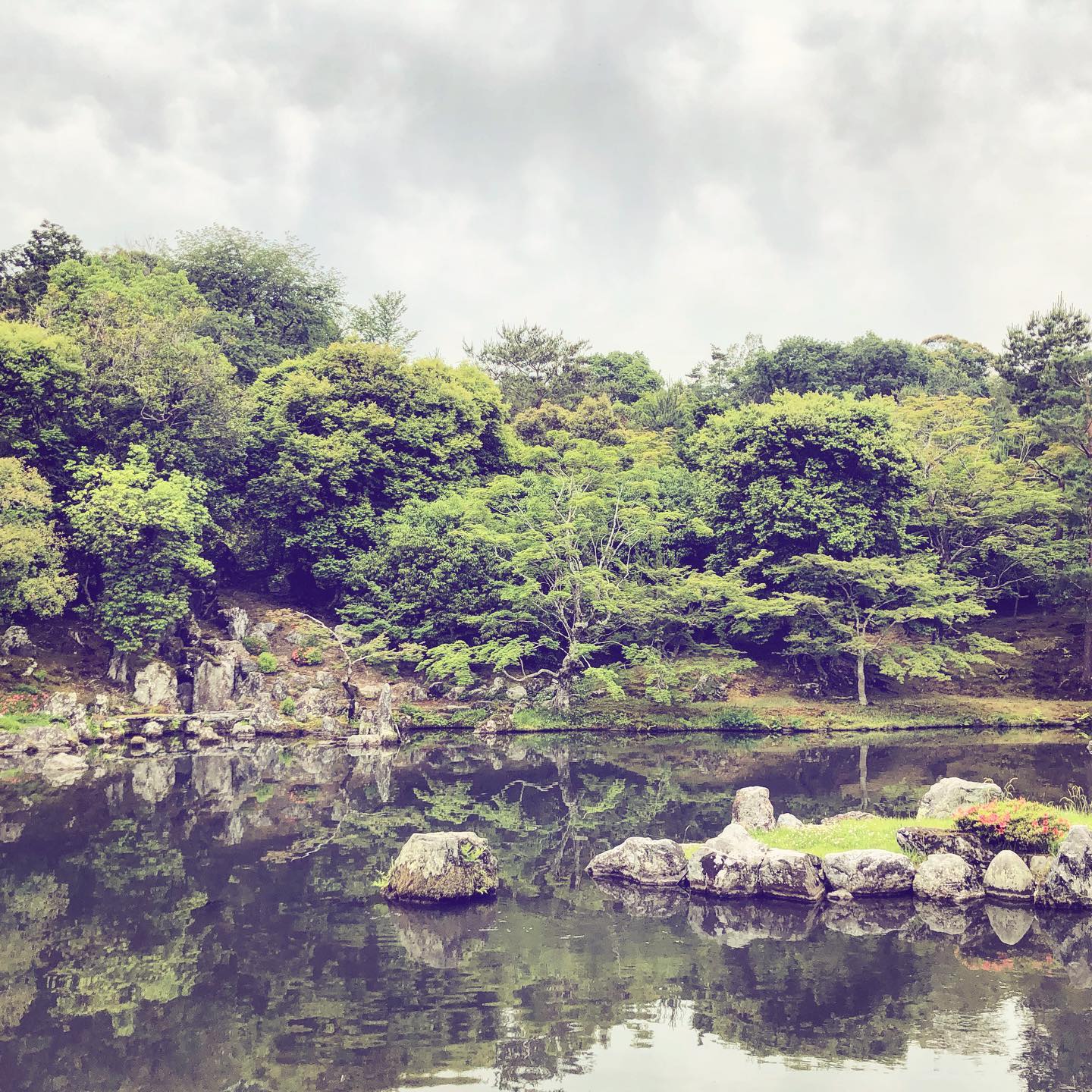
The garden is quiet in the way a place gets quiet when it doesn’t need you to do anything. Trees crowd the edge of the water, softening the sky into a pale sheet, and the pond holds it all—green, stone, and the faint suggestion of wind—like it’s keeping a secret.

I sat down for a meditation break and let the scene do what it does best: stay. The rocks along the shoreline feel deliberate, placed with the patience that only time can afford. The water turns small movements into slow ripples, and even those seem to settle back into stillness.

In moments like this, you can feel one world press gently against another: the everyday noise you carried in, and the calmer layer underneath it that’s been there the whole time. There’s something comforting about a space that doesn’t ask you to be improved. It just invites you to listen.

I left with my thoughts a little less tangled, as if the reflection on the pond had borrowed some of the weight and set it down among the stones. Not fixed, not transformed—just eased, the way a place can ease you when you finally stop long enough to notice it.

Best Lunch & Best Vegetarian Food of Trip

There are meals that feel like more than a stop in the middle of the day. They settle in, quietly, the way a familiar house holds winter heat.

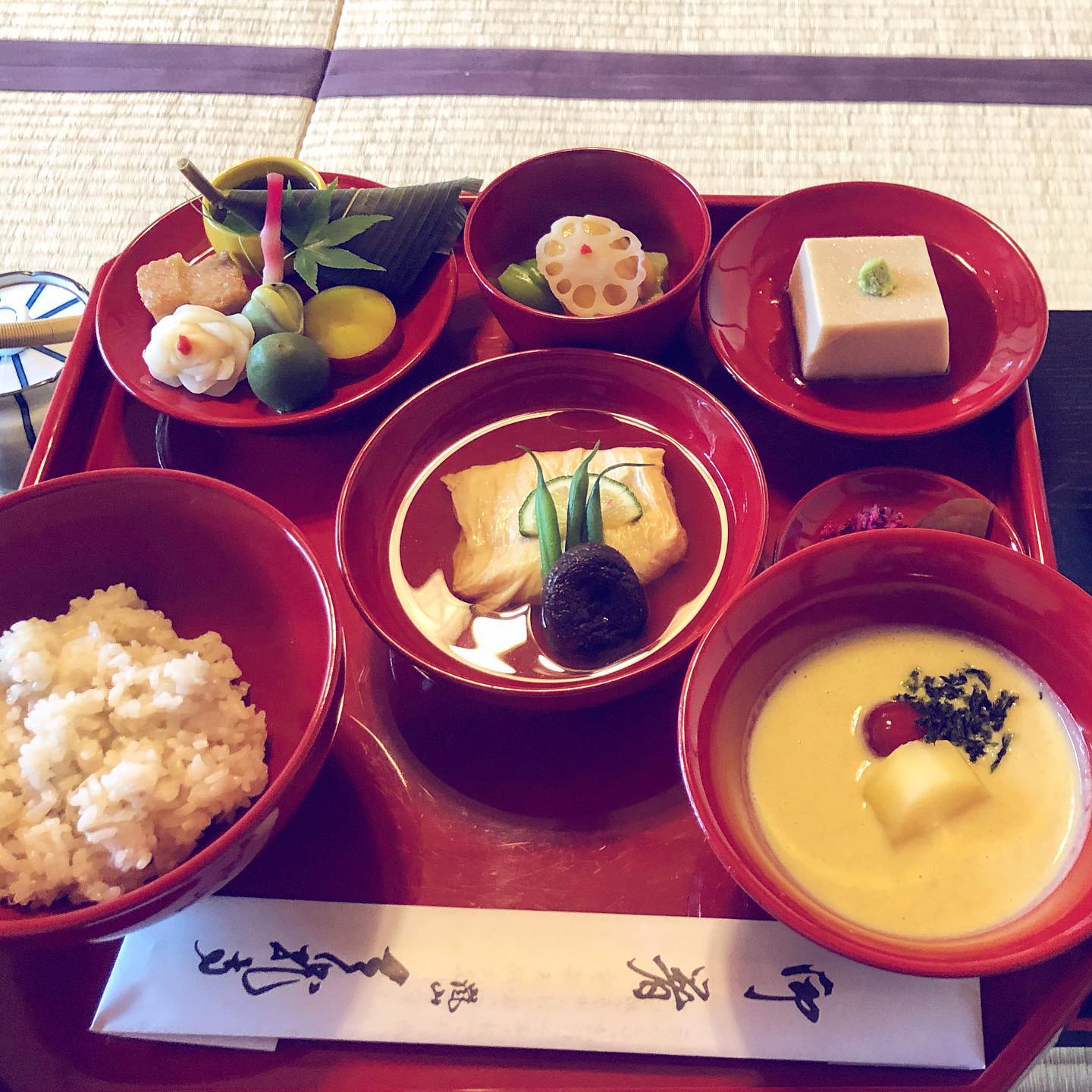
This was one of those lunches: the best lunch and the best vegetarian food of the trip, set out in red lacquer bowls on a tray, each dish small enough to invite attention. Rice still warm. Silky tofu with a dab of green. A pale, custard-like bowl with something sweet and delicate floating near the surface. Little bites arranged like the day had time to be patient.

In Kyoto, even lunch can feel ceremonial without being showy. You sit down, and the noise in your head lowers a notch. The texture of tatami, the careful spacing, the simple colors—everything makes room for you to taste what’s in front of you.

I came looking for a good vegetarian meal and left with something else, too: the sense that travel isn’t always about chasing highlights. Sometimes it’s about noticing the ordinary become meaningful when it’s treated with care.

Best Lunch & Best Vegetarian Food of Trip wasn’t just a title. It was a small, quiet benchmark for how satisfying a simple midday meal can be in Kyoto.

Kyoto Sake Spring Water

There’s a kind of quiet you only notice when you stop long enough to hear it. In Kyoto, spring water feels like that—steady, clear, unhurried.

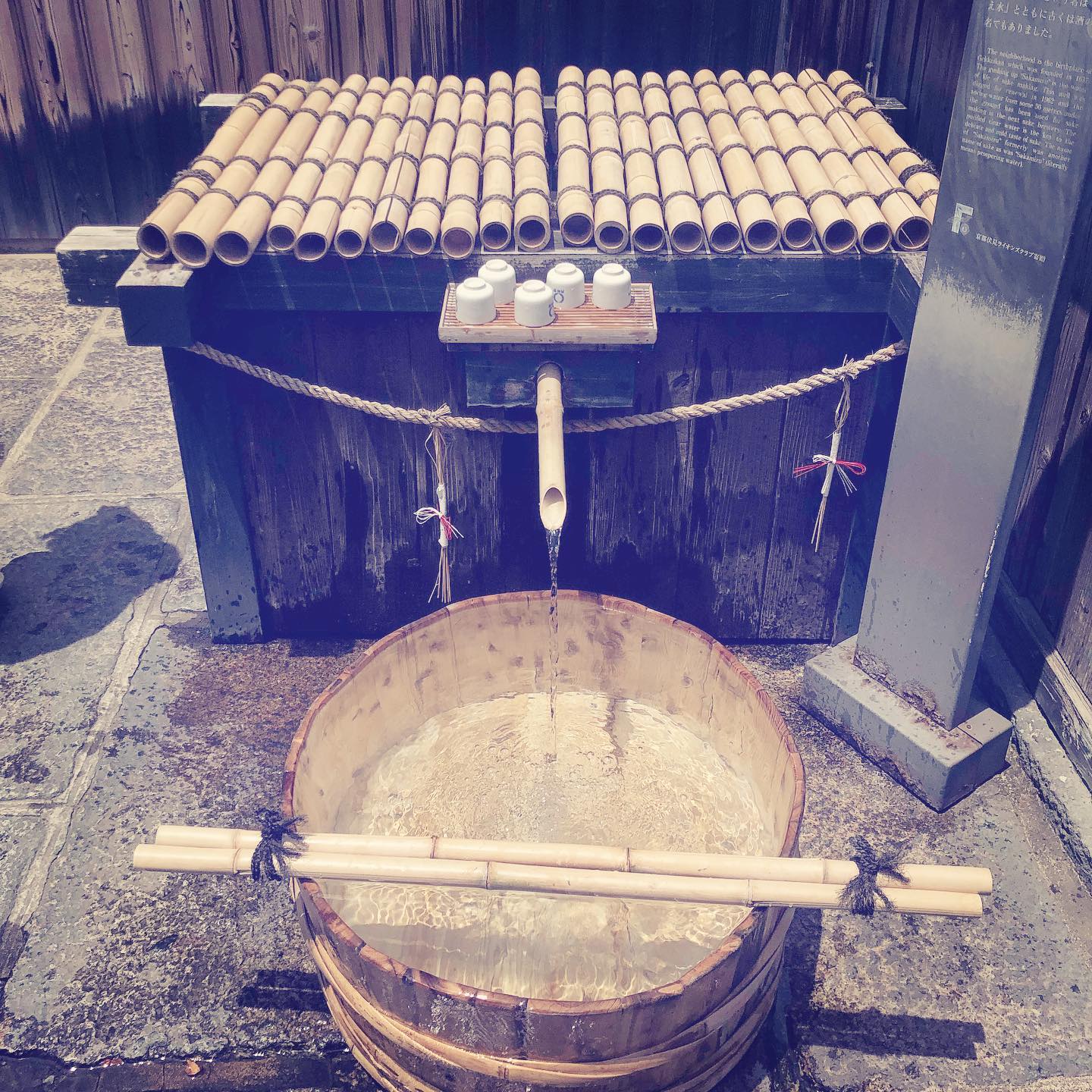
This little bamboo spout and wooden basin look simple at first glance, but they carry the patient rhythm of a place that has been doing the same small thing for a long time. Water gathers, spills over, and starts again. The bamboo troughs line up like tools put away carefully after use. Even the cups feel like they’re waiting with purpose.

I keep thinking about how certain places “live alongside you.” Not by demanding attention, but by staying consistent. Spring water is like that. It doesn’t try to be anything more than what it is, and somehow that’s exactly what makes it memorable.

Kyoto sake begins here, long before the tasting notes and labels—before the conversations at a counter, before the warm glow of a lantern on a side street. It begins with cold, clean water moving through wood and stone, meeting a bucket, then disappearing again.

Standing in front of it, you can feel the world get a little larger and a little calmer. Just enough to remind you that the most ordinary motions—pouring, filling, flowing—are often the ones that hold the most history.

Through the Red Gates

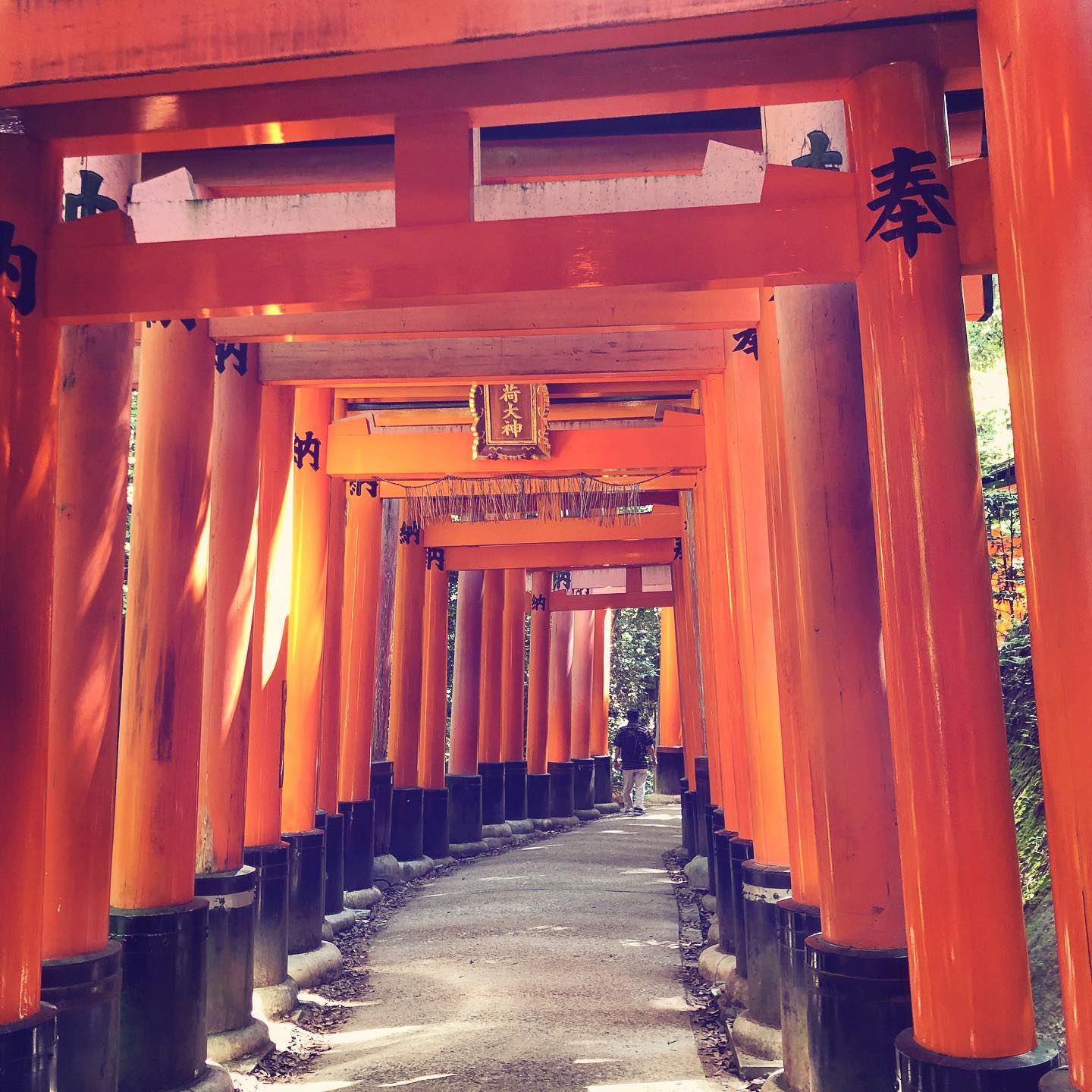
There’s a particular kind of quiet you find when you step beneath a line of torii—quiet made out of repetition. One gate, then another, each painted the same deep red, each catching the light in a slightly different way.

Through the Red Gates felt less like walking to a destination and more like moving through a rhythm. The path narrows and bends, the posts rising up on either side like a corridor built out of patience. Between the beams you get small glimpses of the outside world—green edges of hillside, a slice of sky—then you’re pulled back into the warm red glow again.

I kept thinking about how places can hold time without looking like they’re trying. The gates are weathered in spots, polished in others, and the worn stone beneath them tells its own story: footsteps layered over footsteps, ordinary days stacked quietly into something lasting.

Somewhere ahead a lone figure walks the same line, framed by gate after gate, reduced to a silhouette for a moment. It’s an easy scene to carry with you later, the kind that shows up unexpectedly when you’re back home and a hallway light hits just right.

If you ever find yourself in Kyoto, give yourself enough time to move slowly here. Let the gates do what they do best: turn a simple walk into a small, steady pilgrimage.

Kyoto Style Sushi

There’s something quietly reassuring about a neat tray of sushi—orderly, composed, and unhurried. This Kyoto style sushi set arrives like a small landscape you can eat: glossy nigiri lined up beside clean-cut maki, each piece doing its job without trying to be louder than the next.

The colors tell you where to look first. Deep tuna, pale fish with a thin silver edge, a soft yellow egg topping that feels almost like a warm light on the plate. There’s cucumber rolled into a tight green center, and a thicker maki that carries more weight—sweet and savory tucked inside rice and nori like a secret.

Kyoto has a way of making food feel intentional. Even when it’s simple, it’s not careless. The rice looks pressed just enough, the slices laid down with confidence. Nothing is messy. Nothing is rushed. It’s the kind of meal that makes you slow your hands down.

I like thinking of sushi this way—not as something to conquer with soy sauce and speed, but as a set of small moments. Pick one up, pause, notice the texture, the temperature, the way the sea and the kitchen meet.

If you’ve ever eaten sushi in Japan (or tried to recreate that feeling elsewhere), you know it isn’t only taste. It’s a calm you can sit with for a while.

Morning Bamboo Forest

In the morning, the bamboo makes its own kind of weather.

Looking up, the trunks feel impossibly straight—smooth, gray-green poles stitched with dark rings—while the canopy above gathers into a living ceiling. Light slips through in pale patches, the way it does when clouds thin out after a long night. Everything is hushed but not silent; it’s the sort of quiet where you notice the smallest things: leaves brushing, a faint creak in the stalks, your own breath finding a slower pace.

Morning Bamboo Forest is an easy title to write down, but it doesn’t quite hold what it feels like to stand inside it. The place isn’t trying to impress you. It simply keeps being itself—tall, patient, and a little mysterious. One world pushes up against another: the bright open sky above, the green shade below, and the narrow paths that pull you forward without asking where you meant to go.

If you’ve ever needed a reset that doesn’t come from noise or novelty, a bamboo grove at daybreak does the job. You leave with your shoulders dropped, your thoughts spaced out, and a small sense that the day might be wider than you planned.

Exit mobile version