
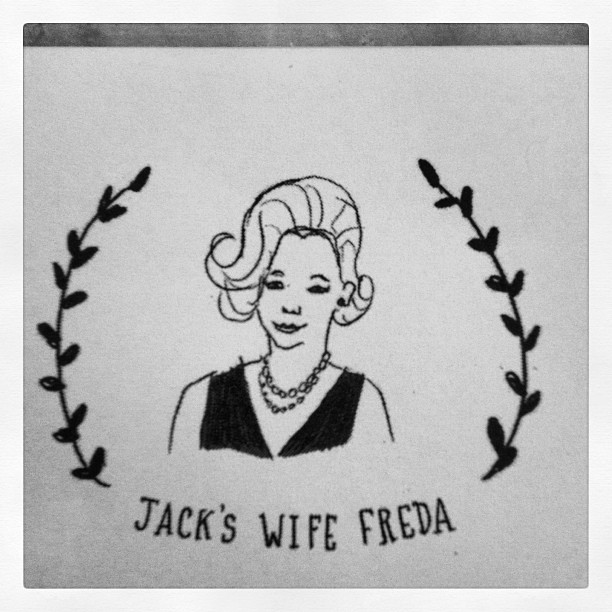
Sometimes Instagram can make something very artistic and painterly… my eye.
| ? | Read Insta-comments -> http://bt.zamartz.com/155q7Ve
Sometimes Instagram can make something very artistic and painterly… my eye.
| ? | Read Insta-comments -> http://bt.zamartz.com/155q7Ve
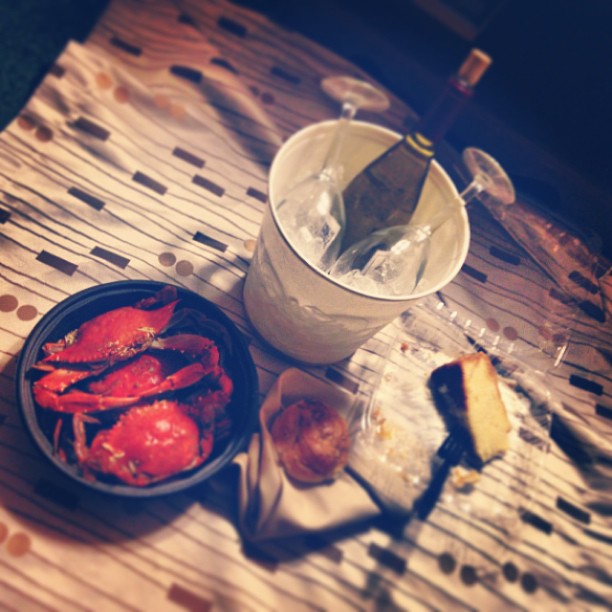
This is my favorite spot this summer to sit outside in soho with a bottle of Rosé and people watch… Plus Whitney Cummings sat next to me!
| ? | Read Insta-comments -> http://bt.zamartz.com/179pH2Z
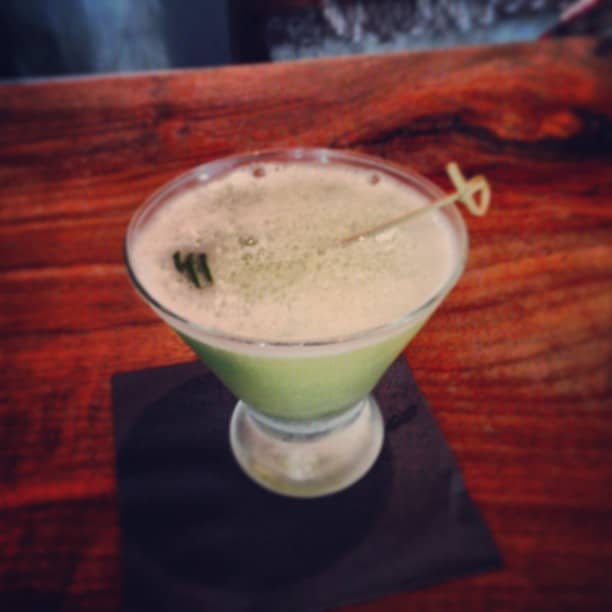
Of course the first two drinks I order they are out of the ingredients so after my first drink (option 3) the bartender feels bad and makes me a a handmade version of the cucumber martini that I wanted. It was so fresh and great!
| ?| Read Insta-comments -> http://bt.zamartz.com/1f7nZ4V
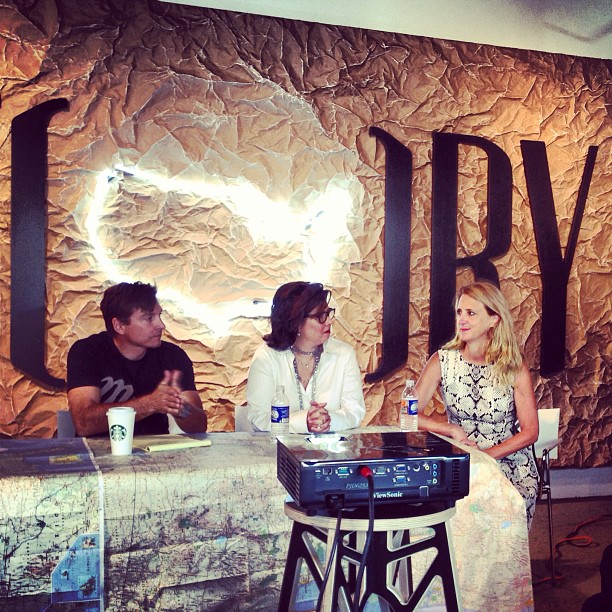
On Aug. 20, 2013, I was glad to stumble upon a discussion on “American Made” held at Story in the downtown Meatpacking District. This open panel raised a lot of good points and turned into a surprisingly constructive conversation. The discussion touched everything from factory safety and product sustainability to the idea of an American manufacturing rebirth—and the outdated mindsets that have treated labor as a commodity.
All of those topics can stand on their own, but I want to drill into the question I introduced: the stigma of learning a trade skill, and the lack of a younger workforce to support any real rebirth in U.S. manufacturing and craftsmanship.
After graduating high school, most students are pushed toward college with the promise that it leads to a higher salary and a stable career. Many are also told that certain concentrations—business, finance, and similar tracks—will practically guarantee a “high salary” job. On the rare occasion that this actually plays out, good for them: it takes hard work and a bit of luck. In reality, plenty of graduates enter the world with no job, let alone one in their field, and they’re already buried in debt.
Meanwhile, many of the options that used to exist during America’s manufacturing boom are now all but extinct. The workforce that has kept these industries alive is quickly retiring, and there’s no replacement line behind them. Family-owned businesses and trade schools that once sustained this lifeline of labor are too often treated like dumping grounds for glamour-less work—or a place to send “problem kids” to be straightened out by hard labor. The idea of honing a skill and becoming a craftsman has been reduced to micro-businesses, niche products, and small pockets of urban economy rather than being recognized as a real path to a stable, respected career.
In the American fashion manufacturing industry, it’s nearly impossible to find quality sewers, pattern makers, pattern cutters, leather workers, and other skilled labor—let alone people who actually want to learn the craft. Many of these roles can pay $40–100k a year, yet there isn’t a strong workforce pipeline to replace retirees, and there aren’t enough craftspeople to expand as demand returns.
This doesn’t improve until we revive the idea that apprenticing is education—and that working with your hands is not second-class, not a last resort, not a stereotype for the underprivileged, the simple-minded, or a placeholder for cheap immigrant labor. We should welcome back the idea of being a master of a trade as something honorable and valuable. We should support companies that invest in employees, and recognize the obvious truth: when a company stands behind its people, it usually correlates directly with the quality and standards of its product.
This isn’t complicated, but it does require people to stop pretending it’s someone else’s problem.
If “American Made” is going to be more than a label, we need to stop treating skilled labor like a backup plan. You can’t rebuild manufacturing with marketing. You rebuild it with people.
Made + Story Panel = Nanette Lepore, Alex Bogusky and Sheryl Connelly
photo via @nanettelepore
| ??? | Read Insta-comments -> http://bt.zamartz.com/12gzbti
| ? | Read Insta-comments -> http://bt.zamartz.com/1eUQdQj
| ?? | Read Insta-comments -> http://bt.zamartz.com/15WqUIq
| ? ? | Read Insta-comments -> http://bt.zamartz.com/19Bp8of
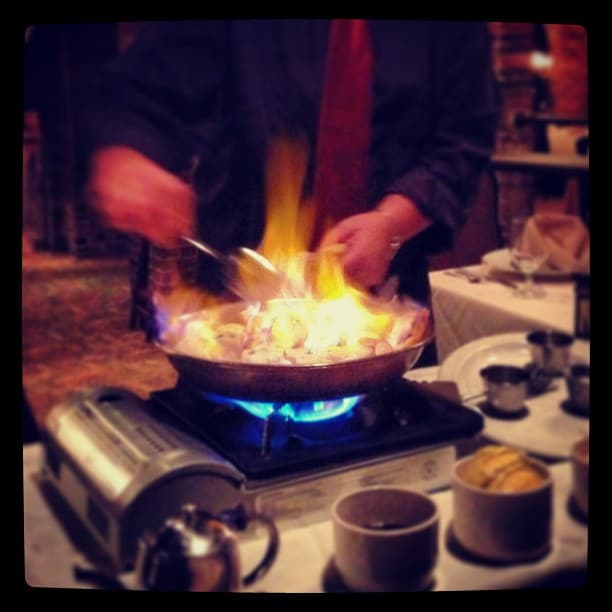
shrimp, lump crab, crayfish & littleneck clams sautéed tableside, with mushrooms & finished with brandy cream sauce; served over linguini
| ??? | Read Insta-comments -> http://bt.zamartz.com/12evF2O