Pre Dinner Cocktail

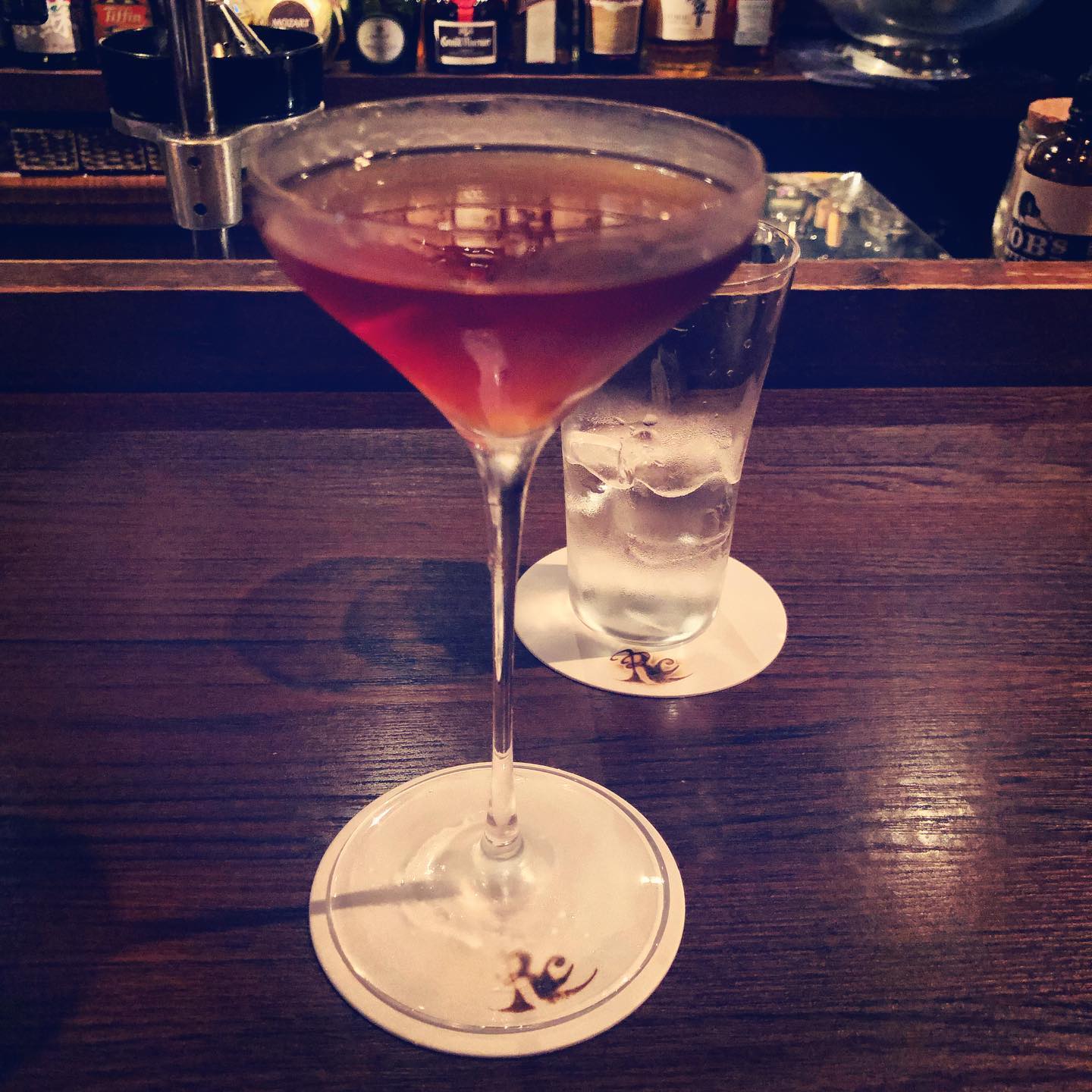
A pre-dinner cocktail can feel like a small pause button—an in-between space where the night hasn’t started yet, but you can sense it coming.

In Kyoto, I found that pause at a wooden bar counter, the kind that holds onto the warmth of the room. A stemmed glass set down gently, a deep ruby drink catching the low light, and beside it a tall glass of ice water that makes everything feel a little more deliberate. Behind the bar, bottles line up like quiet witnesses. Nothing loud, nothing rushed—just the soft clink of ice, the muted shine of glass, and a calm that seems practiced.

The drink itself sat somewhere between sharp and smooth, like it was designed to wake up your palate without stealing the whole evening. It’s the sort of cocktail that doesn’t beg for attention; it just waits for you to notice what’s already there.

I like these moments before dinner. They remind me that travel isn’t only the big sights and the crowded streets. Sometimes it’s a simple bar stool, a dark red drink, and the feeling of one world gently pressing up against another—the familiar ritual of a cocktail, placed into a new city, made quietly unforgettable.

Boats on the Philosophers walk

The water along the Philosopher’s Walk doesn’t hurry. It slides between stone walls and green edges as if it has all day to remember where it’s been.

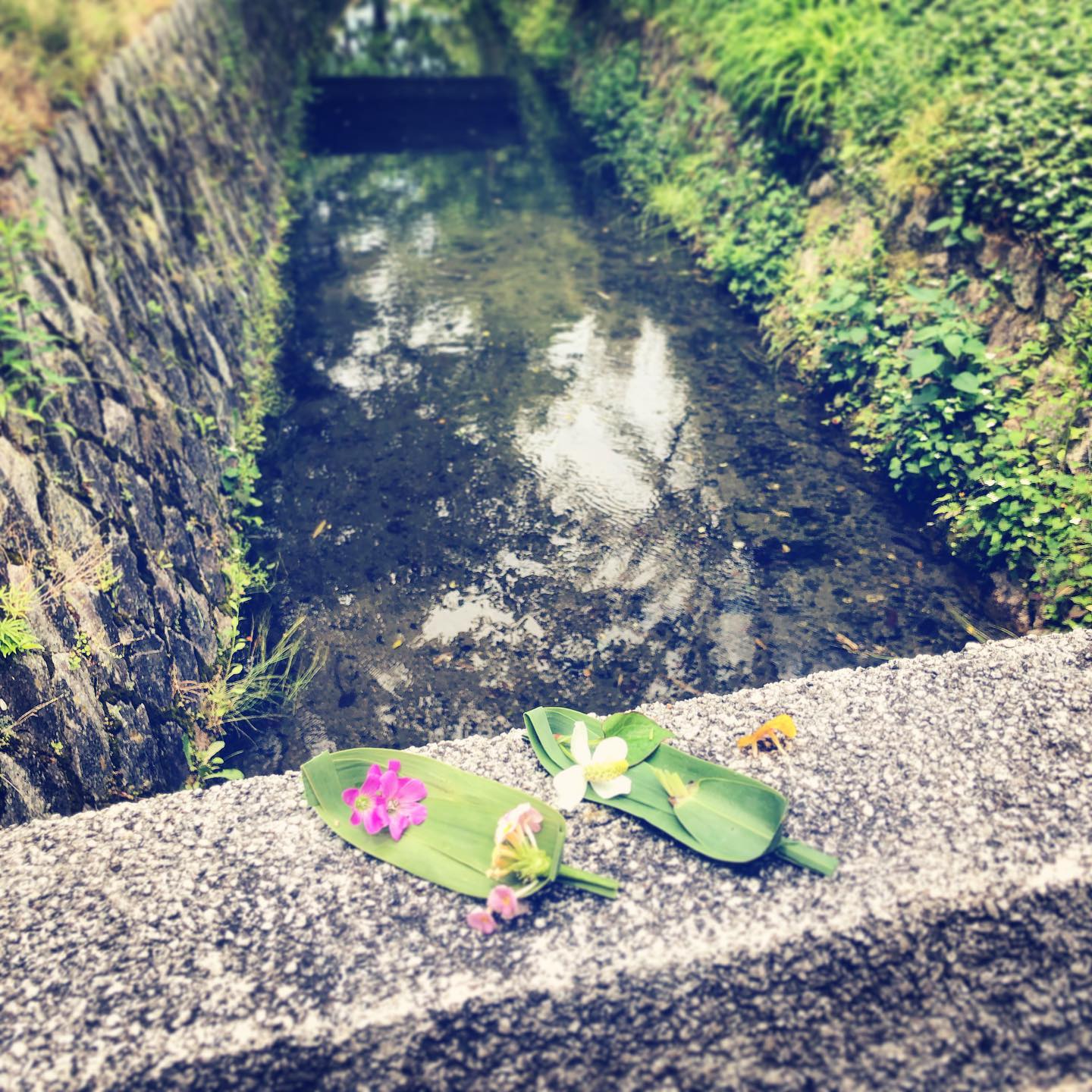
In the photo, two small leaf boats rest on the rough bridge ledge—simple folds of green carrying bright flowers, a quiet offering set down like a thought you don’t say out loud. Below them, the canal holds a soft reflection of sky and branches, the surface broken only by small ripples and the slow drift of light.

Kyoto has a way of making ordinary things feel lived-in. Stone, water, moss—materials that don’t try to impress, they just keep showing up, season after season. Walking here feels less like sightseeing and more like listening. The path invites you to notice what’s usually background: the texture of a wall, the hush under a bridge, the way a single petal can change the mood of a whole scene.

Maybe that’s the point of this place. Not to arrive anywhere in particular, but to let your thoughts move at the same pace as the canal—steady, clear, and unforced.

If you ever find yourself on the Philosopher’s Walk, pause on a bridge and look down. You might see something small and handmade, briefly afloat in the world, doing its quiet work of remembrance.

Whiskey Tasting

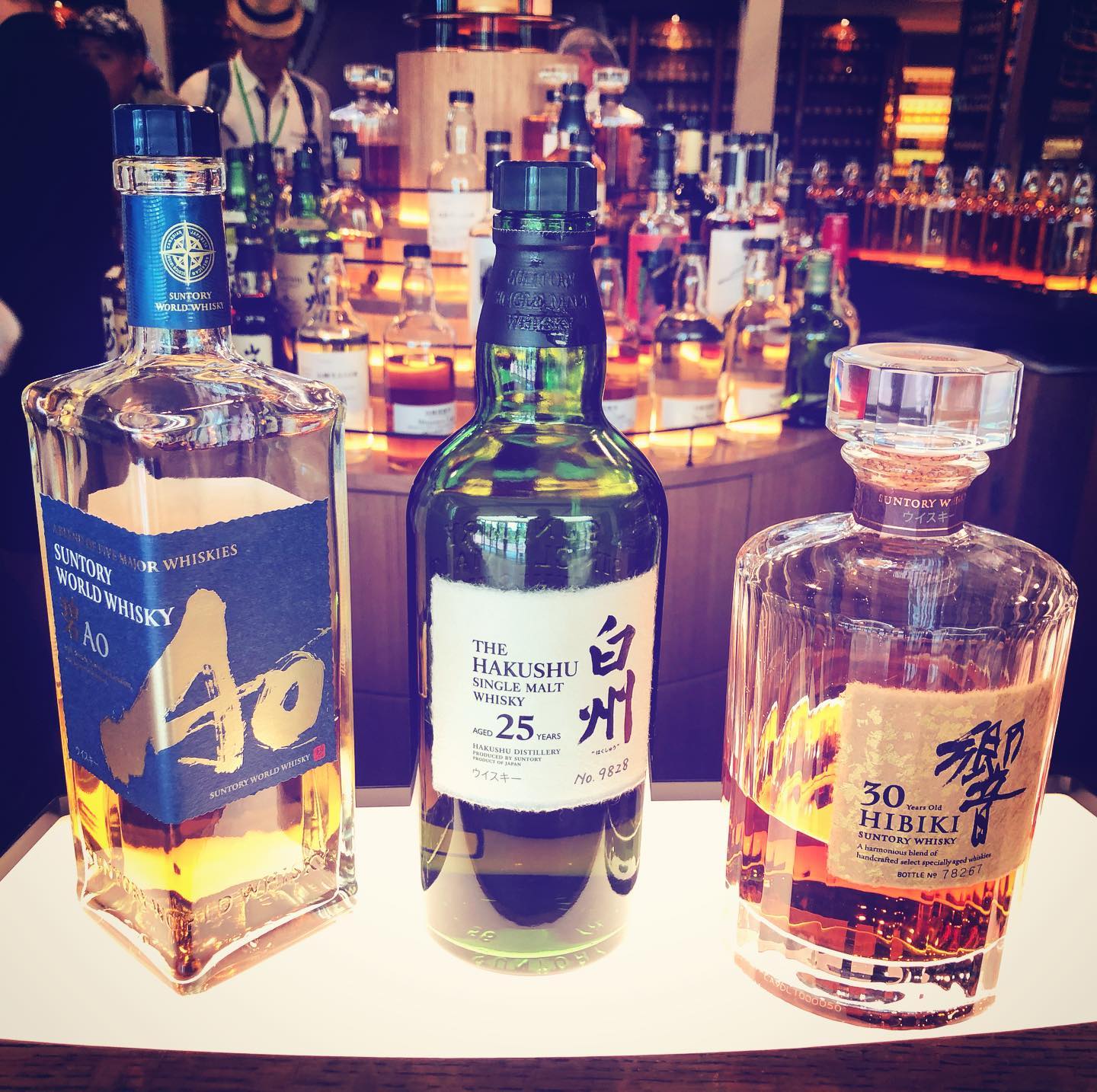
The bottles stood in the warm light like small landmarks—glass catching amber and copper, labels quiet but sure of themselves. Suntory World Whisky Ao on one side, Hakushu 25 in the middle, Hibiki 30 on the other. Behind them, more bottles blurred into a soft glow, as if the whole room was humming at a lower volume.

Whiskey Tasting isn’t just about picking a favorite. It’s about noticing what you usually rush past: the first clean scent when you lift the glass, the way the flavor opens up slowly, the pause that comes after you swallow. There’s a patience to it. You sit still long enough to hear the place living—murmur of voices, clink of glass, the steady presence of the bar like a house that has held a thousand small conversations.

Japanese whisky has a way of feeling both precise and generous. One sip can be bright and green, another round and honeyed, another deep with oak and time. You don’t need to force meaning onto it; it arrives on its own, somewhere between the label and your own memory.

If you’ve never done a tasting, start simple: take a breath, take a small sip, let it linger. The rest of the evening will take care of itself.

Ready to take off

Ready to take off.

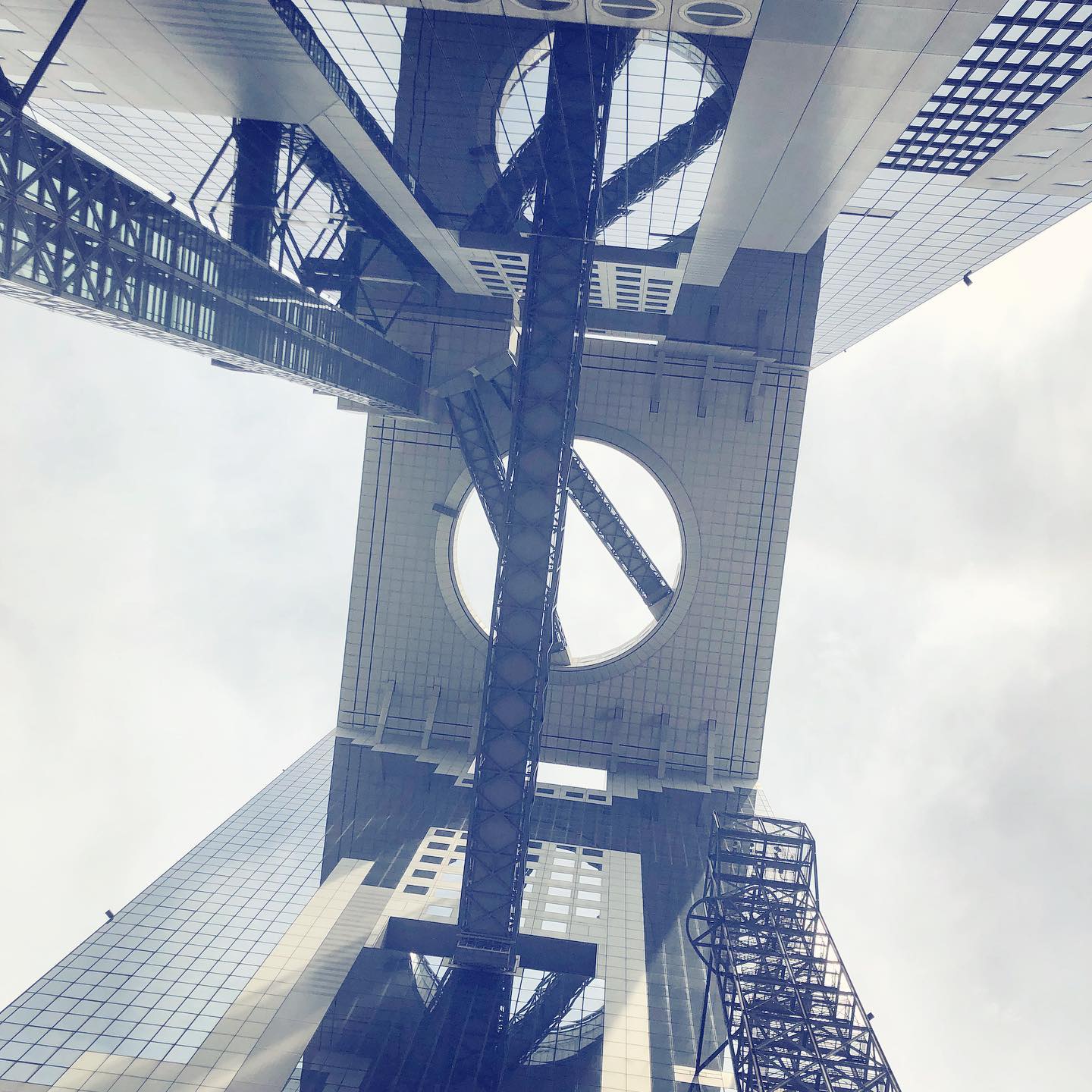
I stood beneath the Umeda Sky Building and looked straight up, the way you look up at a winter sky when the snow starts to soften the world. Steel ribs, tiled planes, and that impossible circle cut through the center—an opening that makes the whole structure feel less like a building and more like a thought you can step inside.

There’s something honest about architecture that doesn’t try to hide its bones. You can see the crossings and the joints, the way it holds itself together, and it feels strangely alive—quietly working, humming without sound. In Osaka, with the city moving around you, it becomes a small pause. A place where the mundane turns a little mysterious if you’re willing to stand still long enough.

From below, the skybridge reads like a runway. Not for planes, but for your attention—pulling it upward, away from the street, away from the checklist of a day. It’s the kind of view that makes you remember how big “up” can feel.

If you find yourself in Umeda, give yourself the minute it takes to stop and look. Let the lines lead your eyes. Let the open circle frame a patch of pale sky. And for a moment, let it be enough to simply be ready to take off.

From Osaka with Love

Neon makes its own weather in Osaka.

In the flood of light at Dotonbori, the Glico Runner hangs there like a promise that never gets tired of being repeated—arms wide, caught mid-stride, forever arriving. Around him, signs stack and shimmer, blue bleeding into magenta, language and logos layered like memories that don’t quite separate.

I stood beneath it all and let the noise move past me. The city felt bright and bigger the longer I looked, the way a familiar place can expand when you stop trying to name every detail. There’s a hum to it—screens buzzing, footsteps shifting, distant music leaking from somewhere you can’t see. Not chaotic, exactly. More like a living house: always speaking in creaks and currents if you listen long enough.

From Osaka with Love sounds like a postcard, but it felt more like a small private message, tucked into the electric night. The kind you send when you want someone to know you’re safe, and also a little changed.

If you’ve ever had a city meet you halfway—half spectacle, half quiet—this is that feeling. A bright surface with a softer underside, and a lingering sense that the night is holding something back, just out of frame.

Morning Visit before a hot day

The morning felt like a small mercy—an early visit before the heat could press down and flatten everything into glare.

Inside the shrine space, the red drapes hang like a warm curtain against the day, patterned and still, holding back the brightness outside. Beneath them, stone lanterns stand on either side like quiet sentries. In the center, the figure is softened by time and moisture, wrapped in moss the way an old house can be wrapped in memory—nothing loud, nothing asking to be noticed, just steadily there.

The air is cooler than the streets of Osaka, and it carries that particular calm you only find in places that have been receiving people’s hopes for a long time. A small basin sits in front, water gathered and waiting, with a ladle laid across the rim as if someone has only just stepped away. The details feel ordinary—stone, water, greenery—yet arranged in a way that makes you slow down.

Before long the day will turn sharp and hot, and the city will move at full speed again. But for a moment, standing here, you can listen to one world push up against another: the busy outside and the quiet within. And you leave a little lighter, as if the shade follows you out.

Base of the Mountain

There’s a certain kind of quiet at the base of a mountain—where the day feels paused, as if the landscape is deciding what it wants to say next.

On Miyajima, the sea holds that silence. The great torii gate stands out in the water, its orange pillars weathered at the edges where tide and time keep returning. From a distance it looks almost weightless, like it’s floating on reflection alone. Up close, it feels steadier—rooted, patient, and unbothered by all the cameras aimed its way.

Behind it, the mountain rises in soft layers, blue and hazy, the kind of backdrop that makes everything in the foreground feel more deliberate. Boats move across the bay, and the shoreline sits low and calm, as if the whole place is waiting for the tide to change its shape.

“Base of the Mountain” is what I keep thinking as I look at it—standing between water and land, between the ordinary shoreline and the climb that starts just out of frame. There’s something comforting about that threshold. Not the summit, not the pilgrimage, just the beginning. A reminder that you don’t have to be anywhere yet for a place to feel meaningful.

Top of the Mountain

The top of the mountain isn’t always a sharp line against the sky. Sometimes it’s a soft place, washed out with light, where the world looks farther away than it really is.

From up here the water turns quiet and pale, a wide sheet of blue-gray with islands resting in it like small, steady thoughts. The hills fade into one another until the edges disappear. The air feels thin, not in the dramatic way, but in the way that makes you notice your own breathing and the simple work it took to get here.

The trail up was the usual rhythm: steps, sweat, a pause to drink, then the slow bargaining you do with yourself when the incline refuses to let up. And then—without any announcement—the view opens. It’s not loud. It doesn’t demand anything. It just sits there, patient and clear, letting you arrive.

I like these moments because they feel honest. Up high, the small things are still small, but they matter again: a bare branch reaching into the frame, new green leaves catching the sun, the hush that falls over you when you realize you’re finally standing where you aimed to stand.

“Top of the Mountain” is a simple title, but it fits. Not because the peak is an ending, but because it’s a brief, bright pause before you turn back toward the ordinary world and carry a little of this quiet with you.

Local Oysters and California Chardonnay

There’s something quietly hopeful about seeing food laid out like a small landscape—shells ridged and weathered, piled on crushed ice that looks almost like fresh snow. Local oysters, each one a little different, resting in the cold as if time has slowed down for them.

A bottle of California Chardonnay leans in the middle of it all, casual and unbothered, like it belongs here. The pairing makes sense in the way simple things do when you stop trying to improve them: brine and mineral, then something rounder and sunlit to follow. The oysters taste like the edge of the sea—clean, sharp, alive. The wine doesn’t fight it; it softens the corners.

I like moments like this because they’re ordinary and a little cinematic at the same time. A wooden counter, handwritten price tags, the hush of a market where everyone is deciding what to carry home. You can almost hear the ice shifting under the shells.

Even if you don’t know the exact story behind each oyster—where it was pulled from, who handled it, how far it traveled—you can feel the care in the presentation. It’s a small reminder that place still matters, and that the best meals sometimes start with standing still long enough to notice what’s right in front of you.

Kamotsuro Tokusei Gold Daignjo (Kinpaku) Sake in Hiroshima

There’s a small quietness to sake that I’ve always liked. It doesn’t announce itself the way other drinks can; it waits for you to slow down enough to notice what’s there.

In Hiroshima, I came across Kamotsuro Tokusei Gold Daignjo (Kinpaku) Sake in Hiroshima, a name that feels almost ceremonial before the bottle is even opened. Set on the table, it looked simple and deliberate: a clear bottle resting on a dark tray, a small patterned cup nearby, warm wood grain underneath—like the beginning of a ritual you don’t have to explain.

Daiginjo carries that promise of care—rice polished down, aromas kept clean and lifted—and the kinpaku adds a faint sense of occasion, a little shimmer tucked into an otherwise calm drink. It’s the kind of detail that turns an ordinary pour into a moment: light catching the glass, the cup waiting, the room settling.

I keep thinking of it as a Hiroshima evening scene—something quiet after walking streets that hold both history and everyday life. You sit, you pour, and for a minute you’re not chasing the day anymore. You’re letting it arrive.

If you find this bottle, give it what it asks for: a small cup, a slow sip, and enough silence to notice the warmth reaching you.

Ryokan Shabu-Shabu Dinner

The table is set low and close, the way a room can make you slow down without asking. A heavy pot waits at the edge, dark and speckled, holding heat like an old stone wall holds winter warmth. In front of it: thin ribbons of marbled beef, arranged as if they were meant to be looked at for a moment before becoming dinner.

A second plate brings a small landscape of vegetables and mushrooms—enoki in pale bundles, shiitake stamped with little star cuts, greens and shredded roots piled together. It’s simple and careful at the same time, like the kind of hospitality that doesn’t need extra explanation.

Shabu-shabu is quiet food. The ritual is the point: swish the beef through the broth until it changes color, let the vegetables soften, listen to the small sounds of simmering. Between bites, the tatami and wood and warm steam make the room feel sealed off from the outside world. Even if the day has been crowded with trains, streets, and signs you can’t read, here the pace becomes understandable.

Ryokan Shabu-Shabu Dinner isn’t just a meal—it’s a pause. A little warmth gathered in a pot, shared slowly, until the night feels settled.

Nothing shoes the horrors of war more than Children bowing and singing at the Children’s Peace Monument at Hiroshima

There are places where the air feels asked to remember. Hiroshima is one of them, and the Children’s Peace Monument holds that weight without raising its voice.

In the image, a group of children gathers beneath the pale arching structure, their heads inclined in a single shared gesture. Behind them, panels filled with bright drawings and handwritten messages line the walkway—colorful, almost tender, as if the simplest materials are the only honest way to speak about what can’t be fixed. The trees are thick and green, the sky mild. The day looks ordinary, which is part of what makes it difficult.

Nothing shows the horrors of war more than children bowing and singing. The contrast is sharp: young bodies practicing reverence for lives interrupted long before they had the chance to become unremarkable. The song, imagined or heard, isn’t a performance. It feels like a small, steady insistence that peace is not a concept but an action repeated, taught, and carried forward.

What stays with me is the quiet choreography of it all: backpacks set down, a hush moving through a crowd, adults standing to the side as witnesses. The monument doesn’t let grief end the story, and it doesn’t let hope pretend the past is clean. It simply stands there, asking us to look at what war takes first—and what peace must protect every day.

Exit mobile version