Snorlax Acquitted

There’s something comforting about a small thing trying to be heavy.

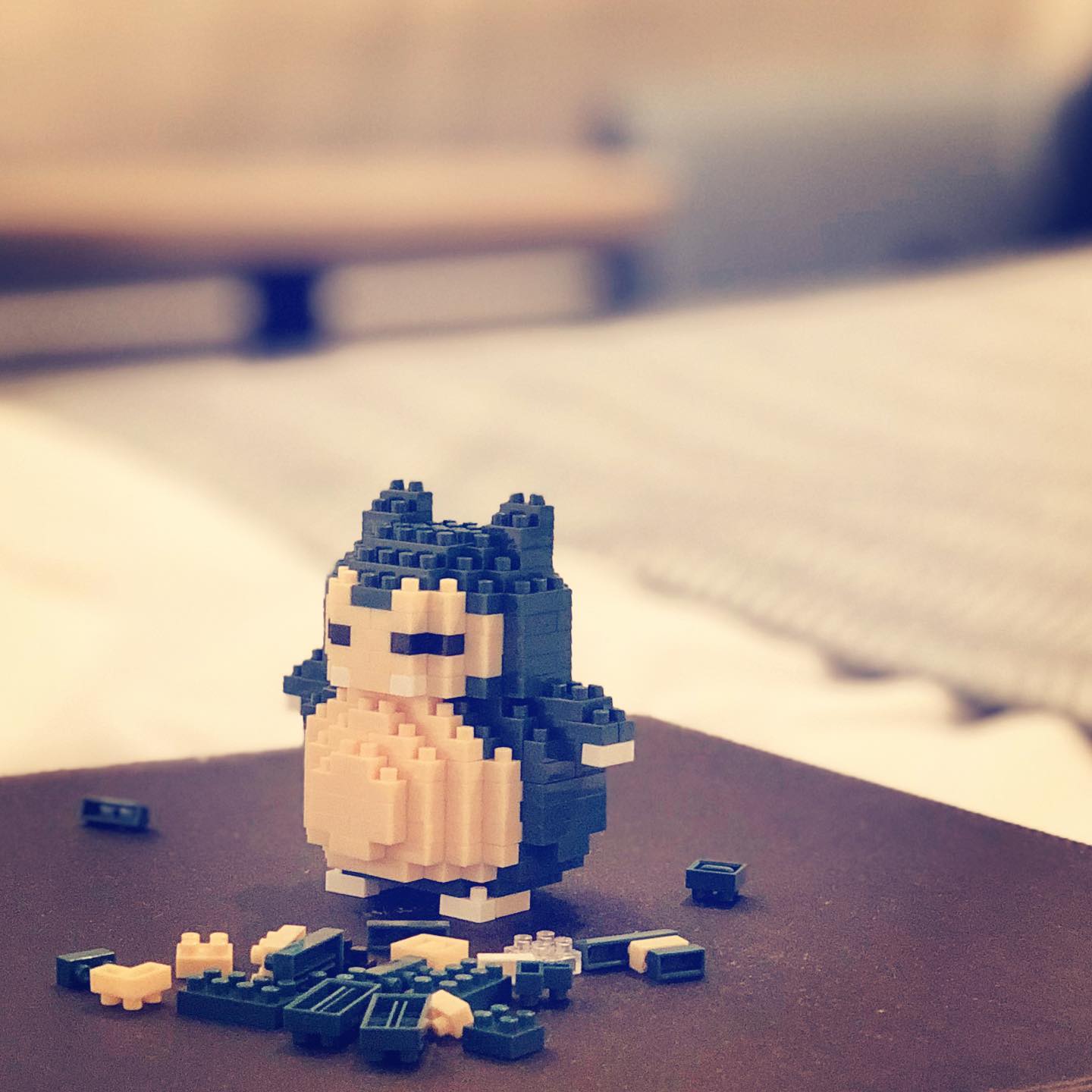
In the photo, Snorlax stands in miniature, built from blocky little pieces—blue and cream stacked into a familiar silhouette. Around its feet, more pieces lie scattered like evidence: tiny rectangles and fragments that look like they were dropped mid-thought. The background is soft and out of focus, the way a room looks when you’re half awake, noticing only what matters.

“Snorlax Acquitted” is a funny headline, but it also feels oddly right. As if this sleepy creature had been called to account for taking up space, for pausing the day, for choosing rest in a world that keeps asking for motion. And then, somehow, cleared.

I like the idea that the verdict isn’t loud. No confetti. Just the quiet permission to be unproductive for a while. To sit there, solid and unbothered, while the scattered pieces wait patiently for their turn to become something whole.

Maybe that’s the best kind of acquittal: not proving you were never guilty, but realizing the charge didn’t matter in the first place.

Looking for Legendary Pokémon

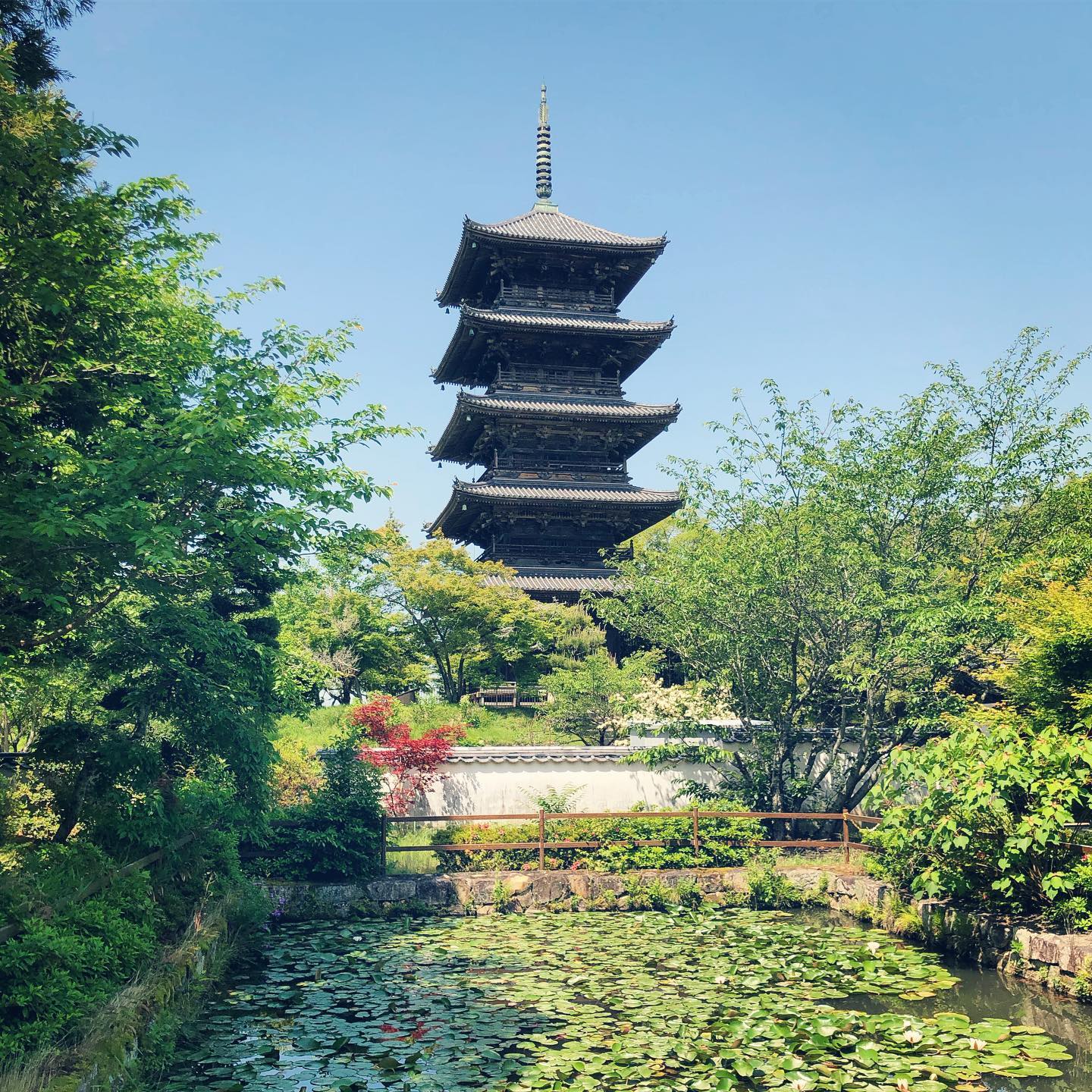
A pagoda rises from the green like a thought you can’t quite hold. Dark wood stacked into patient tiers, rooflines curling at the edges, it stands above a pond scattered with lily pads as if the water has learned to keep secrets.

The title in my head was simple: Looking for Legendary Pokémon. Not in the loud, screen-lit way, but in the quieter kind of searching—walking temple paths where gravel shifts under your shoes, where the air smells like sun-warmed leaves, and every corner feels like it could open into a story you’ve heard before.

In places like this, it’s easy to believe that something rare could be nearby. Not because you expect to catch it, but because the landscape feels older than your expectations. The pagoda doesn’t pose; it just keeps being there, steady and listening. Even the pond seems to hold its breath.

Maybe that’s what we’re really hunting when we travel: a small jolt of wonder, the sense that the world still has hidden rooms. You look up through the branches, and for a second the day feels wider. The ordinary keeps its shape, but it turns slightly—like it’s letting you see the shimmer underneath.

I didn’t find a legendary Pokémon. I found a moment that felt like one.

Angel had another Great Fortune

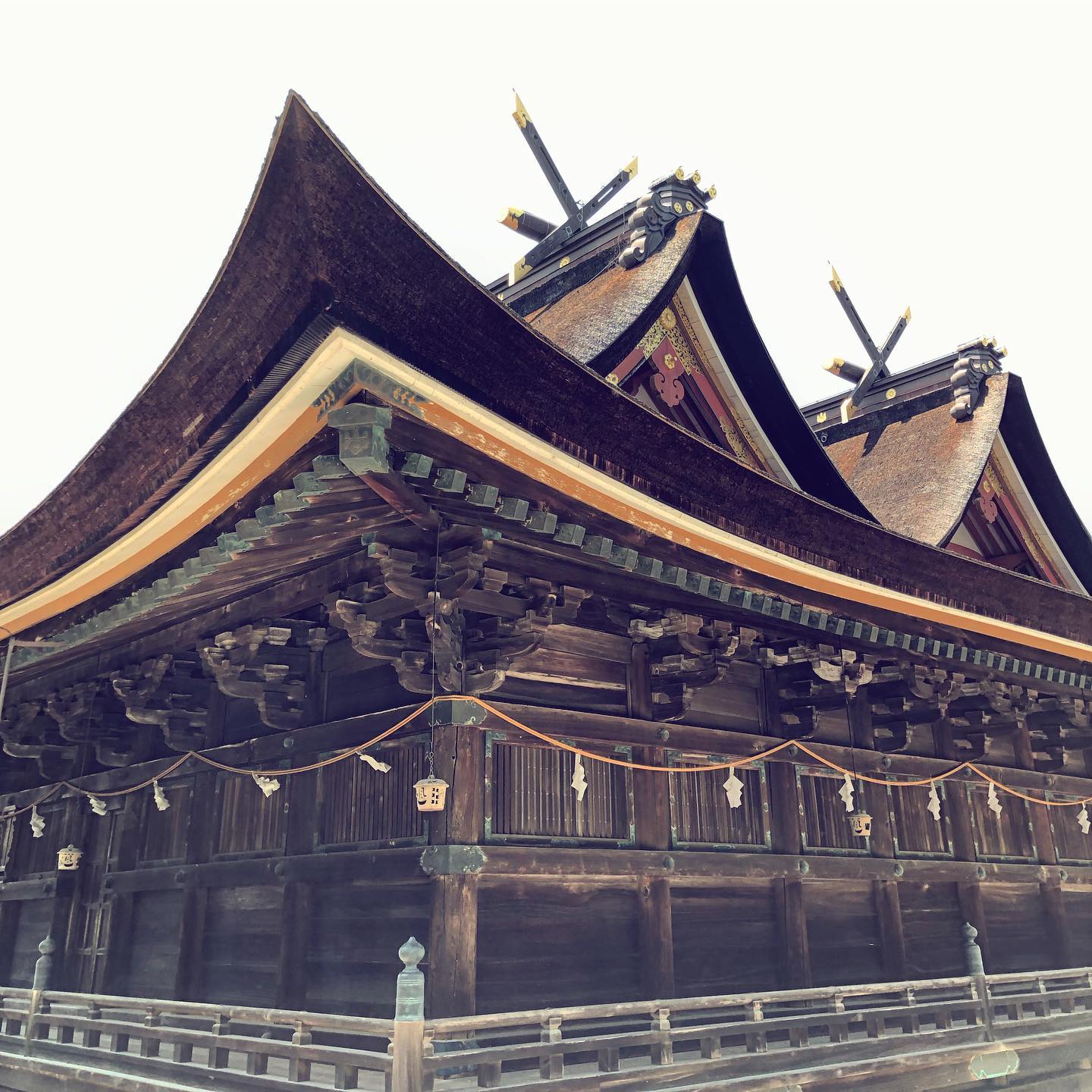
The temple roof rises in layered arcs, dark wood lifting into the pale sky. It looks built to hold time—each beam fitted and weathered, each edge finished with a careful flourish. Standing there, you can’t help but feel how a place like this keeps its own quiet record, the way old houses do, by simply remaining.

Angel had another Great Fortune.

I like the phrase because it doesn’t sound like winning. It sounds like noticing. Like the small, ordinary turn of a day becoming something you can carry in your pocket. A fortune isn’t always loud; sometimes it’s the moment you look up and realize the world is still full of craft, ritual, and patience.

The ropes and paper streamers hang along the front, a gentle boundary between the outside noise and whatever calm you’re meant to step into. Even if you don’t understand every symbol, you understand the feeling: you’ve arrived somewhere that asks you to slow down.

Maybe that’s the best kind of luck—finding a place that makes you listen. One world pressing softly against another, and you standing in the seam between them, grateful for what you almost missed.

Morning Coffee

Morning Coffee

There’s a certain quiet ceremony to coffee in the morning—especially when the table is already set like a small still life. Porcelain cups, a dark pour that looks almost blue at the edges, a soft cappuccino foam dusted with something warm, and water glasses catching the light like little panes.

In Tokyo, even the simplest café table can feel carefully composed. Metal tray, tiny pitcher of milk, a polished sugar pot reflecting the room back at itself. A menu card resting in the middle like a note you haven’t opened yet. It’s all ordinary, and somehow it isn’t.

I like moments like this because they’re gentle proof that the day has started, but it hasn’t asked anything from you yet. You can sit with the small sounds—spoons against saucers, a chair shifting, ice settling in a glass—and let the city stay outside for a minute longer.

The first cup is about waking up. The second is about staying. And in between, there’s that brief, bright pause where everything feels simple enough to hold: warmth in your hands, cool water nearby, and the comfort of a table that doesn’t need you to rush.

If you ever need a reason to slow down, start here: one morning, one cup, one quiet corner of Tokyo.

Dyson is just as good as Hachiko

Dyson is just as good as Hachiko, or at least that’s what it felt like standing there in the bright Shibuya light—one world pressing up against another.

The Hachiko statue has a gravity to it. People orbit, pause, smile, move on. Bronze made warm by hands and time, set against the everyday rush of Tokyo. It’s easy to arrive expecting a simple photo spot and leave with something quieter: a reminder that loyalty can become a landmark, and that a city can hold tenderness in plain sight.

Dyson, meanwhile, is not cast in metal. He’s living and impatient and funny in the way a dog can be—present tense all the time. The comparison is unfair, and still it makes sense. Hachiko is the story we carry around; Dyson is the small, real version of it that waits at home (or in your mind) and makes the idea feel possible.

I like places that do this—where the mundane and the meaningful overlap without announcing themselves. A statue in a pocket of shade. A person posing beside it, trying to be lighthearted. A memory taking shape while traffic moves and the city keeps humming.

If you’re in Tokyo, go say hello to Hachiko. Stay a minute longer than you planned. Listen to the noise and see what it leaves behind.

Visiting some Lucky Cats

It’s easy to walk into a room like this and forget the rest of the day exists.

A crowd of lucky cats—paint chipped, faces softened by time—sit under a scatter of green bulbs like they’ve been waiting for the lights to come on. The biggest one holds its paw up in that familiar invitation, the kind that feels half blessing and half inside joke. Around it, smaller cats gather in mismatched rows, each with its own expression: alert, smug, sleepy, watchful.

I visited them the way you visit old houses or quiet fields: slowly, trying not to disturb whatever has settled there. There’s something comforting about repetition—cat after cat after cat—like a ritual you don’t have to understand to appreciate. The room hums with little details: the shine on worn paint, the soft shadows on the shelves, the sense that luck might be less a miracle and more a collection of small hopes.

Outside, the world keeps moving. In here, the cats keep their steady vigil, paw raised, asking for nothing and promising nothing—only making space for curiosity. I left feeling lighter, as if I’d been reminded that wonder can be ordinary, and that sometimes you can find it sitting quietly in a room full of statues.

Tea House Anmitsu

A red cloth can make a small moment feel ceremonial. At Tea House Anmitsu, the tray arrives like a quiet still life: a wooden spoon resting in the open, a dark cup of tea holding its own reflection, and a bowl that feels both careful and generous.

Anmitsu is the kind of dessert that asks you to slow down. Here, the bowl is layered with soft white mochi, glossy beans, and bright fruit, then finished with a scoop of matcha ice cream that looks almost like it’s been sculpted. Nothing is loud, but everything has a texture—cool and creamy, chewy and smooth, sweet with a clean, green bitterness at the edge.

It’s easy to forget how much atmosphere matters until you sit with it. The wood grain, the simple ceramics, the red beneath it all—details that make the experience feel settled, not staged. You taste, you pause, you sip the tea and let the warmth pull the sweetness back into balance.

Some places feed you. Others give you a small pocket of calm to carry back out into the day. This one does both.

Castle on the Hill

The castle rises out of the trees like something that has been waiting a long time to be noticed. Dark walls stacked in patient tiers, roofs curled at the edges, and small gold details catching what little light the day is willing to give. The sky is heavy and pale, the kind of gray that makes everything quieter.

I like places like this because they feel lived alongside, not just looked at. A castle isn’t only a landmark; it’s a container for years. Even from a distance you can sense the weight of seasons passing over the same angles and eaves, the way wind and rain return to familiar corners. The structure holds its posture anyway.

Standing there, it’s easy to think about how landscapes change around what remains. Trees thicken, paths get redirected, a city grows louder somewhere beyond the frame. And still the keep sits above it all, steady, as if it has its own weather.

“Castle on the Hill” is a simple title, but it fits. There’s a calm in that elevation—just enough distance to feel the world soften, just enough height to watch time move without needing to chase it. Okayama Castle doesn’t shout. It just stays.

Mos Burger Dinner

Dinner at MOS Burger has a quiet, almost ordinary kind of comfort—the kind you notice more when you pause long enough to really look.

On the table: two burgers in glossy buns, fries tucked into paper sleeves, and iced drinks sweating in clear plastic cups. It’s fast food, sure, but it feels carefully arranged, like a small still life in the middle of a busy day. The light is soft, the wood grain is warm, and everything seems to wait for the first bite.

There’s something reassuring about meals like this in Japan. Not because they’re extravagant, but because they’re steady. Familiar shapes, small unfamiliar details. The wrappers are printed with tidy little icons. The fries are crisp and simple. The burgers are pleasantly messy—lettuce slipping, sauce pressed into the paper.

I like how moments like this don’t demand much. You sit, you unwrap, you drink something cold, and for a few minutes the day narrows down to the sound of ice and the easy rhythm of eating. Outside, the city keeps moving. Inside, dinner is just a round table, a couple of burgers, and the small satisfaction of being exactly where you are.

Snacks in Maid Cafe

There’s something quietly comforting about a table that doesn’t ask for much: a warm pot of tea, a few small plates, the soft clink of porcelain against dark wood.

At Cure Maid Cafe in Japan, the snacks arrive like a little still life. White teapots with a delicate logo sit near cups of amber tea, and slices of cake rest on plain plates as if they’ve been set down to cool in a calm room. In the center, a glass dessert glows in layers—blue at the bottom, pale cream above—topped with fruit that feels bright against the muted tones of the table.

It isn’t a grand meal, and that’s part of what makes it linger in your mind. The portions are small enough to let you keep talking, to keep watching the room, to let the moment stretch without hurrying you toward the end.

I like places like this for their gentle attention to detail—the kind that doesn’t show off, just quietly holds everything together. A pot of tea can be ordinary anywhere, but here it feels like a small ritual: something warm to wrap your hands around while the outside world keeps moving.

If you’re planning a visit, go with time to spare. The best part isn’t only the sweets—it’s the pause they create.

Beautiful Temple Day

There are days when a place feels like it has been waiting for you—quietly, without urgency—until you finally arrive.

Beautiful Temple Day didn’t start as anything grand. Just a bright sky, a little heat on the shoulders, and that slow pull of trees gathering around a path. Then the torii gate rose up in front of me, all weathered wood and clean lines, framed by leaves and a wide, open blue. Standing beneath it, I felt that familiar shift: one world pressing up against another, the ordinary thinning at the edges.

The gate wasn’t shouting for attention. It didn’t need to. The grain of the wood held its own history, darkened by time, sun, and rain. And above, the light made everything feel briefly simpler—like you could hear your own thoughts without them echoing back as noise.

I lingered longer than I meant to. Not out of ceremony, exactly, but out of a kind of respect for the stillness. Places like this don’t demand belief. They invite pause. They remind you that you can step out of your day for a moment and come back a little lighter.

Maybe that’s all a beautiful temple day really is: a small crossing, a breath, and a quiet return.

Ready to Soak

There’s something quietly reassuring about a small, bright room designed for one purpose: to let the day loosen its grip.

In Tokyo, the bath isn’t an afterthought. It’s a ritual tucked into clean lines and warm wood tones, a deep tub filling steadily while the sink runs beside it, as if the whole space is breathing in and out. Bottles sit in a neat row, waiting their turn. The mirror holds the scene like a window—water turning pale and cloudy, the surface trembling, then settling.

Ready to Soak feels less like an announcement and more like permission. Permission to be still for a moment. Permission to let travel be ordinary and human: tired legs, a long walk back, the soft click of a bathroom door, steam rising into a quiet ceiling.

I like how places can carry their own kind of care. Not loud, not luxurious in the flashy way—just thoughtful. A room that doesn’t ask you to perform, only to show up.

Tonight the city can keep humming outside. Inside, the bath fills, the air warms, and time slows to the pace of water.

Exit mobile version