Ryokan Dinner Delux

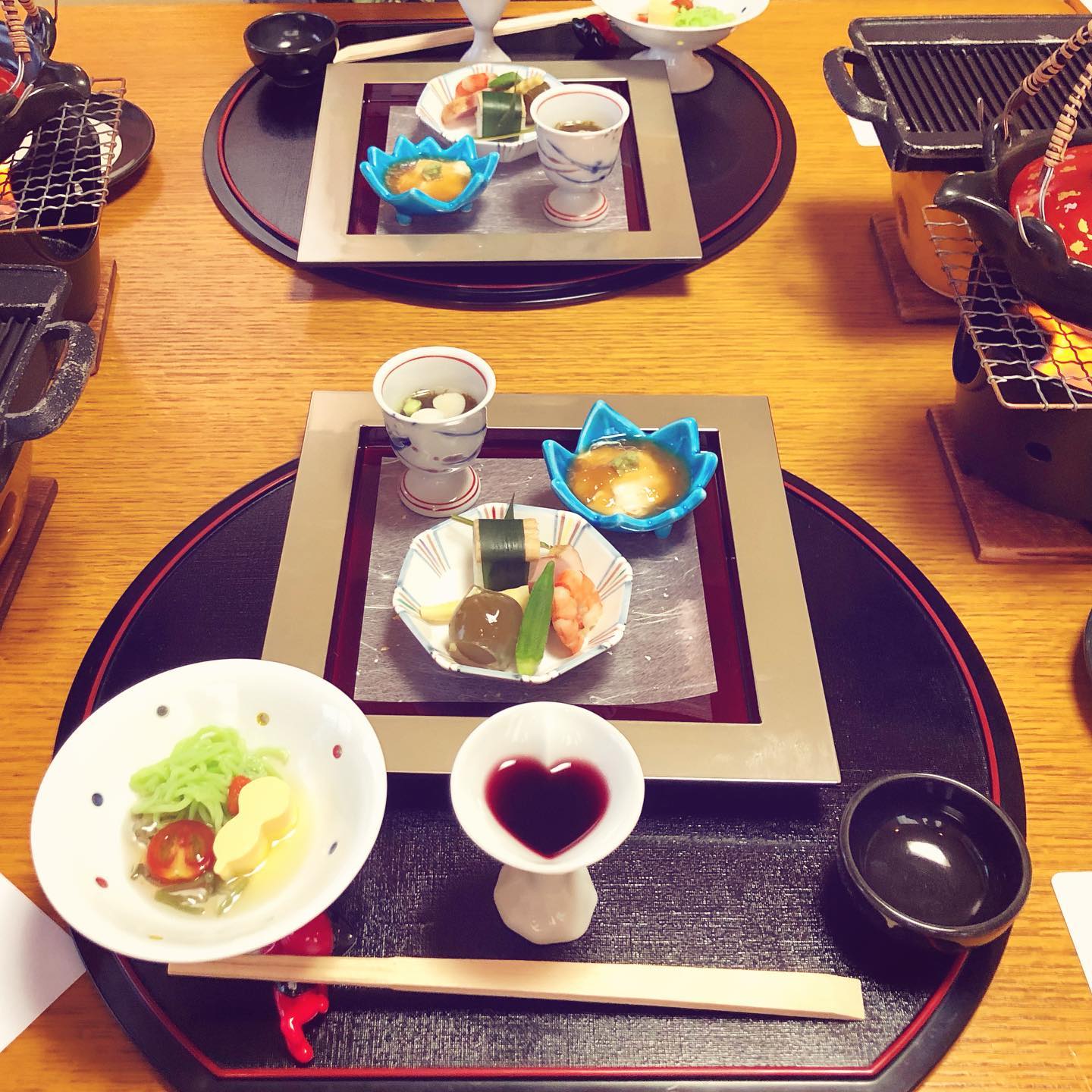
A ryokan dinner has a quiet way of making the world feel smaller.

Two trays set on warm wood. Small bowls that look like they were chosen as carefully as the food inside them. A blue dish holding something soft and shining. A little cup that asks you to slow down. Even the sauce feels like it has a mood—dark, still, and poured into a heart-shaped bowl as if to remind you this is meant to be noticed.

Ryokan Dinner Delux is not loud. It doesn’t try to prove anything. It just arrives, course by course, like a house settling around you. The table becomes a landscape of textures: smooth porcelain, lacquered edges, steam rising where it can, and a grill waiting nearby with its own patient heat.

There’s a kind of comfort in being fed this way. Not the heavy comfort of too much, but the gentle comfort of enough. Enough variety, enough warmth, enough time.

I always forget how much a meal can feel like a place until I’m sitting in front of one like this—hands resting, mind quieting, listening to the small sounds that happen between bites.
Kyoto Sake Spring Water

There’s a kind of quiet you only notice when you stop long enough to hear it. In Kyoto, spring water feels like that—steady, clear, unhurried.

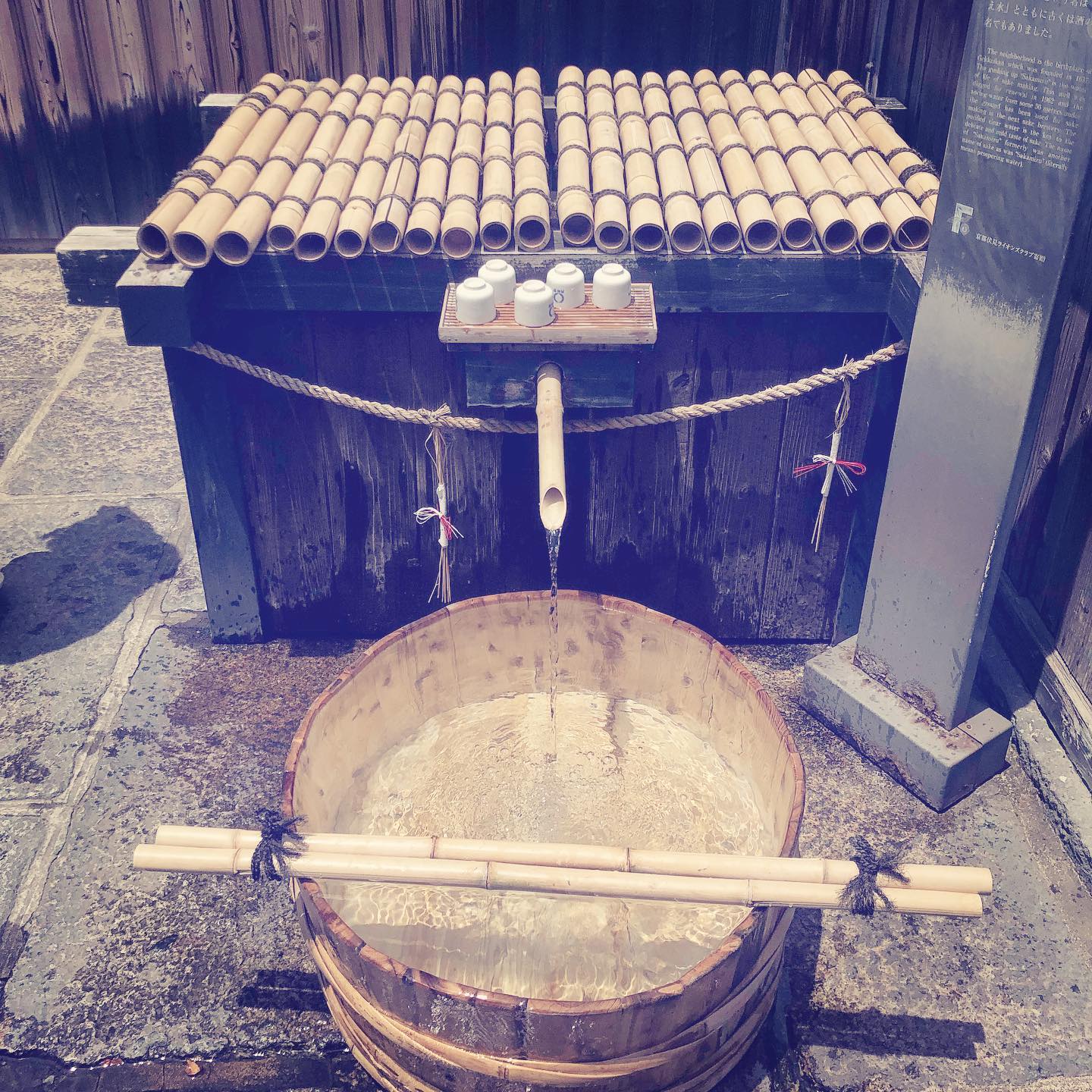
This little bamboo spout and wooden basin look simple at first glance, but they carry the patient rhythm of a place that has been doing the same small thing for a long time. Water gathers, spills over, and starts again. The bamboo troughs line up like tools put away carefully after use. Even the cups feel like they’re waiting with purpose.

I keep thinking about how certain places “live alongside you.” Not by demanding attention, but by staying consistent. Spring water is like that. It doesn’t try to be anything more than what it is, and somehow that’s exactly what makes it memorable.

Kyoto sake begins here, long before the tasting notes and labels—before the conversations at a counter, before the warm glow of a lantern on a side street. It begins with cold, clean water moving through wood and stone, meeting a bucket, then disappearing again.

Standing in front of it, you can feel the world get a little larger and a little calmer. Just enough to remind you that the most ordinary motions—pouring, filling, flowing—are often the ones that hold the most history.

Kamotsuro Tokusei Gold Daignjo (Kinpaku) Sake in Hiroshima

There’s a small quietness to sake that I’ve always liked. It doesn’t announce itself the way other drinks can; it waits for you to slow down enough to notice what’s there.

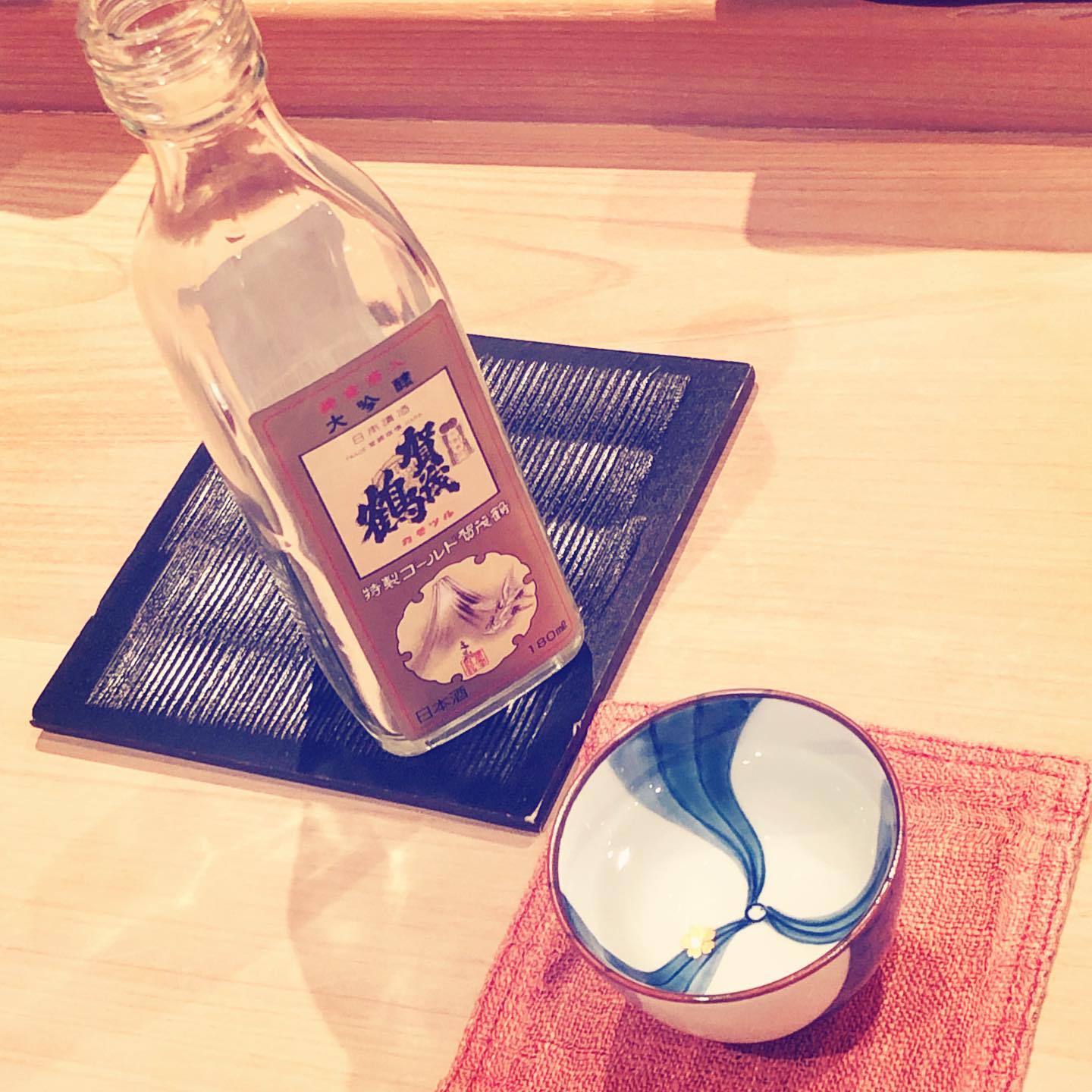
In Hiroshima, I came across Kamotsuro Tokusei Gold Daignjo (Kinpaku) Sake in Hiroshima, a name that feels almost ceremonial before the bottle is even opened. Set on the table, it looked simple and deliberate: a clear bottle resting on a dark tray, a small patterned cup nearby, warm wood grain underneath—like the beginning of a ritual you don’t have to explain.

Daiginjo carries that promise of care—rice polished down, aromas kept clean and lifted—and the kinpaku adds a faint sense of occasion, a little shimmer tucked into an otherwise calm drink. It’s the kind of detail that turns an ordinary pour into a moment: light catching the glass, the cup waiting, the room settling.

I keep thinking of it as a Hiroshima evening scene—something quiet after walking streets that hold both history and everyday life. You sit, you pour, and for a minute you’re not chasing the day anymore. You’re letting it arrive.

If you find this bottle, give it what it asks for: a small cup, a slow sip, and enough silence to notice the warmth reaching you.

We are Officially Engaged

On a small table, two bottles of sake catch the light, and a handwritten note rests beside them like a keepsake you’ll want to fold carefully and save.

We are Officially Engaged.

It’s strange how a moment can feel both loud and quiet at the same time. Loud in the way it changes the shape of the future, quiet in the way the present keeps sitting there, steady, asking you to notice it. A simple table. A drink poured slowly. Ink on paper. The kind of details that become anchors later.

Tokyo has a way of making ordinary scenes feel cinematic. The city hums just beyond the room, and inside there’s this pocket of stillness where gratitude can finally land. This is what I want to remember: not just the announcement, but the tenderness of being cared for, the warmth of a shared toast, the soft weight of a new beginning settling in.

To everyone who has been cheering us on from near and far, thank you. We’re holding this close, taking it in, and letting it unfold one day at a time—together.

Usagi and Mooshi Time at Tokyo Record Bar

| ??? | #nyu #japanese #oishi @tokyorecordbar
| Accidentally, Mikey (Usagi) and I (Mooshi) made reservations at one of 2017 summer’s most trendy restaurants, Tokyo Record Bar. There are a few interesting gimmicks about this eatery:
First, it is a small Japanese style restaurant that has the feel of  “small & off the beaten path”.
The location itself is the basement of a champagne bar in NYU-town and only seats about 14 people. To enter the bar you must be lead through a champagne bar, down a small set of stairs, and into a small 8×10 foot room.  At the beginning of your meal each person at your table chooses a song from a playlist that will be played through the meal. An in-house DJ will compile the songs into a playlist and the fun starts. For the record, pun intended, I chose the song “Creep” by TLC. The locations serves two seatings a night and the entire meal is coursed, without substitutions. I will not spoil the last course for you, but it is not your typical Japanese dish. Overall the experience was good and I give it a B+ rating. I do think the art painted on the walls is especially good; there are even mountains that look like breast. However I think the fox in kimono stole the show in the whimsey department.
The food was not 5-star quality and wish the restaurant would have played more into storytelling that they did at the beginning and end of the meal. That being said, the price was right, but still prevented this from being an “A” in my book. I would still recommend the experience of a Japanese style pub, especially when given the changes to enjoy some music on vinyl.
| Read Insta-comments -> http://bt.zamartz.com/2yMvkcI

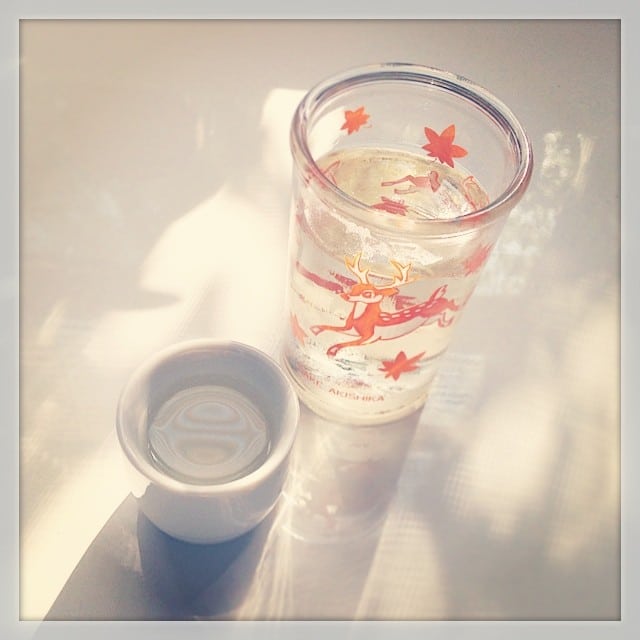
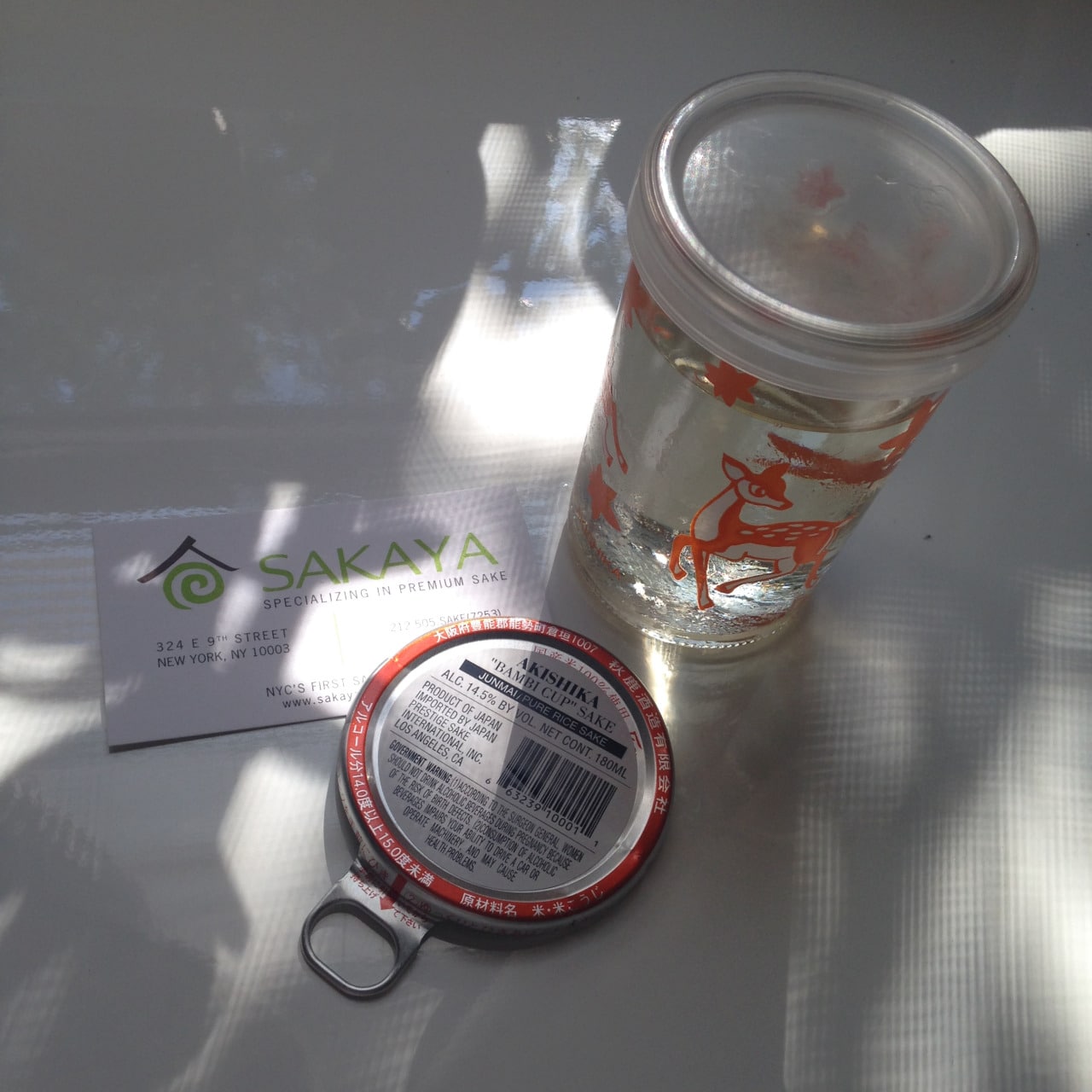
Akishika “Bambi cup” Sake

Akishika “Bambi cup” Sake

I discovered the cutest sake this weekend, by accidentally walking by “NYC’s First Sake Shop”, Sakaya. The best part about this sake is that you can collect a nice set of glasses after you drink it and the glass also comes with a reusable plastic lid!

Akishika Autumn Deer “Bambi” Saké is a Junmai Sake from Osaka that is light and dry with a creamy texture.

| ????

| Read Insta-comments -> http://ift.tt/1rnJUNa

Japan Week 2013

Japan Week 2013

Grand Central Terminal’s Vanderbilt Hall
What more can you ask for then Nori chips, hight speed railways, kimono shows, koto music, red lanterns and sake ! A great litte event!

see what you missed here [ Japan Week 2013 ]

Exit mobile version