Morning Sunshine

The light came in early today and did what it always does when it’s honest: it made the room feel bigger than it is.

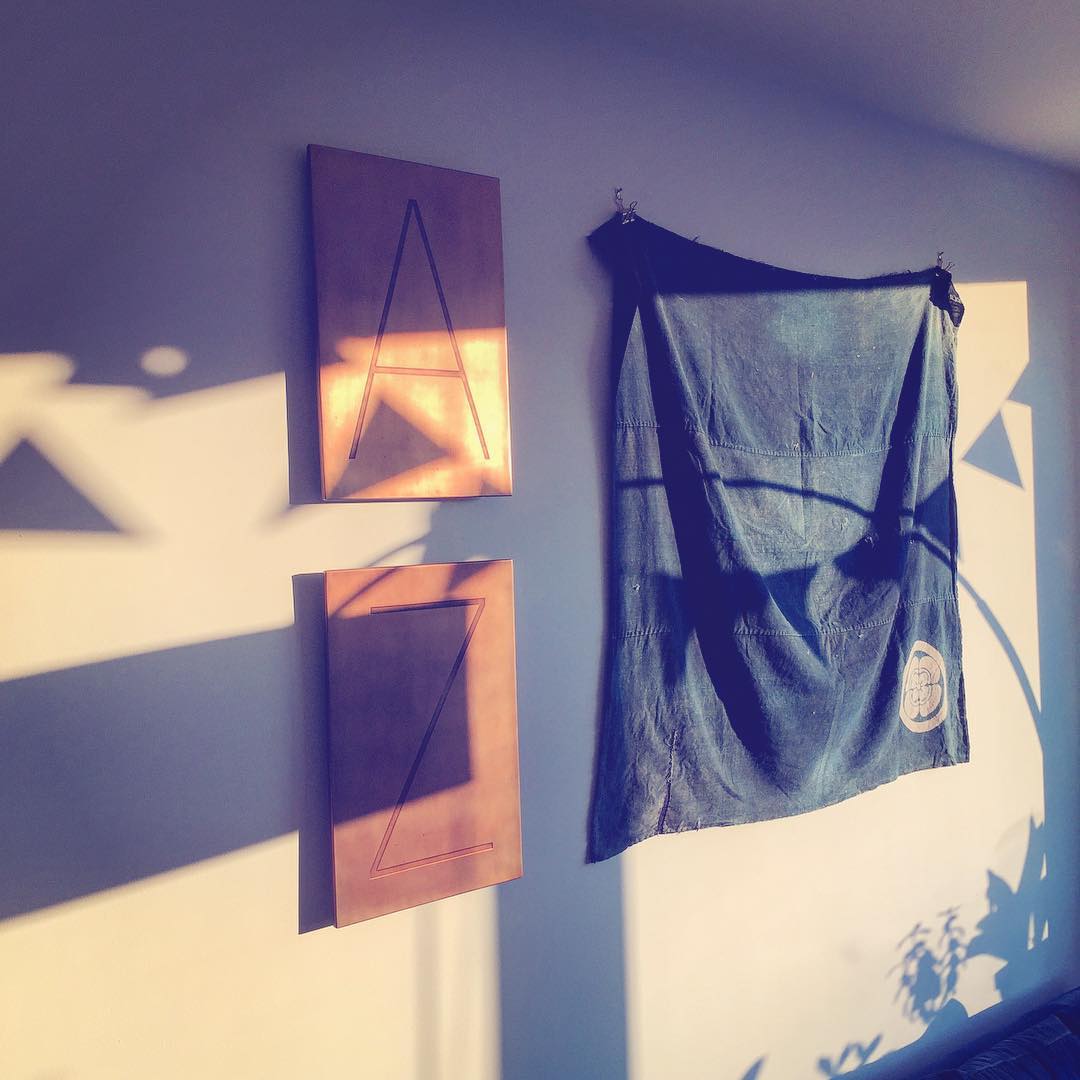
On the wall, the letters hang like quiet markers—simple shapes that somehow carry the weight of a whole alphabet. Beside them, a denim cloth is pinned up, soft and worn, catching the sun in a way that turns ordinary fabric into something like a small flag. Shadows stretch across everything, clean-edged and patient, as if the window is drawing its own version of the morning.

This is the part of the day I trust most. Not because it’s dramatic, but because it’s steady. The house doesn’t need to announce itself; it just lives alongside you. The sunlight moves a little, the air shifts, and the room creaks into wakefulness.

Breakfast happens somewhere off-frame, but it’s here too—in the evidence of care. In the way someone bothered to hang something up instead of tossing it over a chair. In the way the light lands and makes even a blank wall feel like it’s holding a memory.

Morning sunshine is never only about the sun. It’s about the small arrangement of things, the quiet routine, and that brief moment when the day feels settled before it starts asking for more.
AtoZ Matchbox

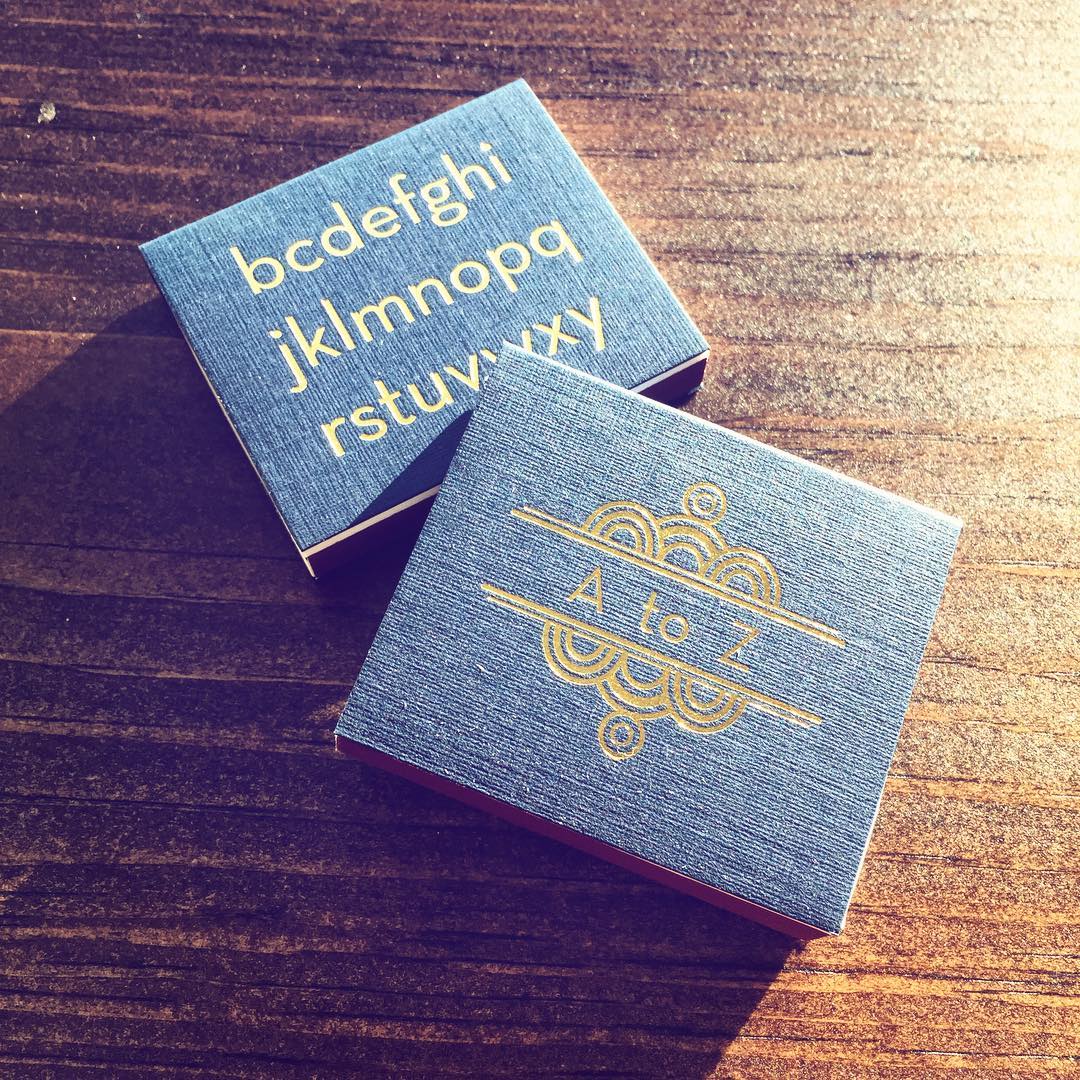
On the table, two small boxes sit like a quiet conversation. Denim-blue sleeves, gold lettering. One reads A to Z, centered and calm. The other scatters the alphabet across its face, as if the letters were poured out and left to settle where they pleased.

It’s a matchbox, but it doesn’t feel like a disposable thing. It feels kept. The kind of object that lives alongside you, waiting in a drawer for the night the power goes out, or the evening you decide to light a candle just to make the room softer.

I like how simple design can hold memory. An alphabet is one of the first maps we learn, a way of naming the world so it stops being a blur. Here it’s stamped in gold, warm against the textured blue, turning a plain utility into something close to a small heirloom.

AtoZ Matchbox is a tiny reminder that everyday items don’t have to be loud to be meaningful. They can be steady. They can be beautiful. They can sit in the background of your life until you need a spark—then suddenly they’re the whole moment.

Birthday Boyfriends

There’s a certain kind of summer evening that feels like it’s been waiting for you all year. The kind where the light hangs on a little longer, the air softens, and conversation becomes background music—clinking glasses, leaning in, laughing, pausing.

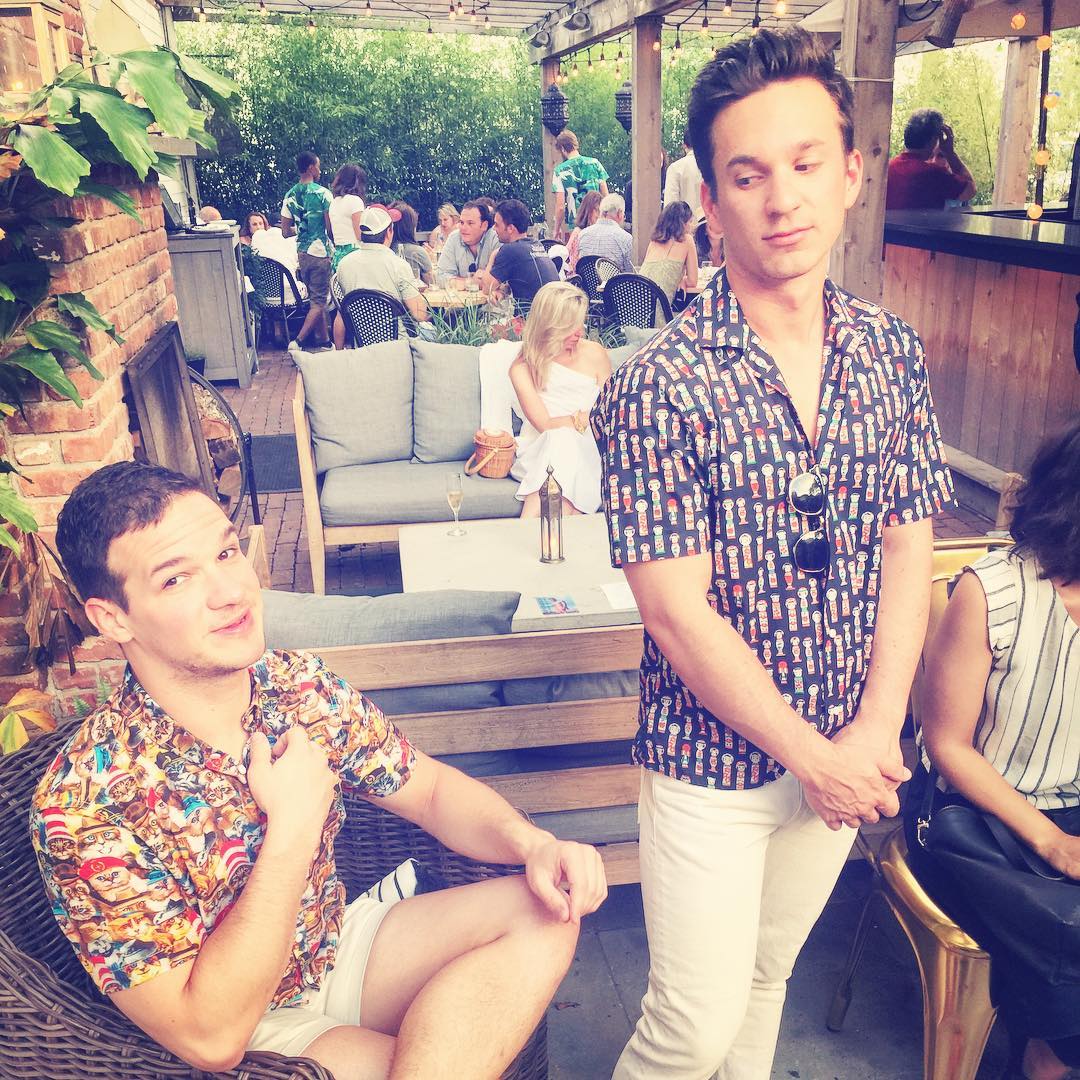
Birthday Boyfriends, in that moment, wasn’t really a caption so much as a small truth: two people dressed up in their loudest shirts, half-performing for the camera, half trying not to. One sits, one stands. Both look like they’re caught between amusement and affection, like the joke is private but the setting is public.

We were out for dinner on a patio that could’ve been anywhere, but didn’t feel like it. Strings of lights overhead, wood beams framing the scene, a crowd behind us living their own separate evenings. It’s funny how a birthday can do that—make the whole world feel busy and distant while your table becomes the only real place.

I like photos like this because they hold what you don’t think to write down: the warm noise, the brief stillness before the next round of stories, the way summer makes ordinary places feel slightly mysterious.

Later, the night moved on. But this part stays: two boyfriends, a birthday, and a patio full of light.

Boats with my Bae

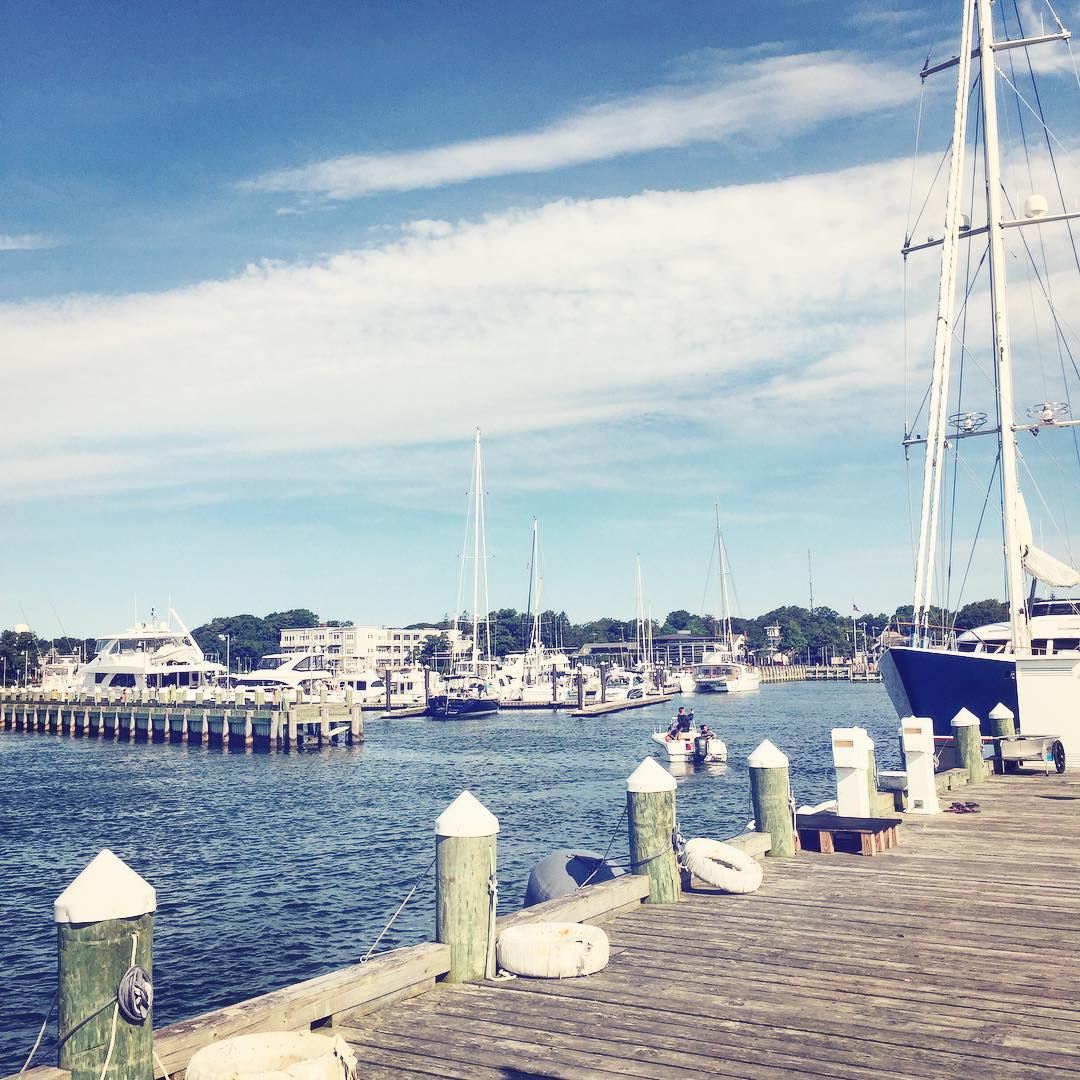
There’s a particular kind of calm that only seems to happen at a dock—wood planks warmed by the sun, pilings capped in white, and water moving in small, steady rhythms like it has nowhere else to be.

Today was boats with my bae, the kind of afternoon that doesn’t ask for much. Just a slow walk to the edge, the soft clink of rigging, and a sky stretched thin with clouds. The marina looked like a little neighborhood afloat: sailboats resting in their slips, masts writing clean lines into the blue.

Out past the posts and the moored hulls, a small boat cut through the channel, leaving a wake that spread and disappeared as quickly as a thought. I like how the waterfront holds both motion and stillness at once—how you can feel everything traveling, even when you’re standing perfectly still.

It’s easy to forget, in the middle of ordinary weeks, that places like this exist: open air, salt on the breeze, and that quiet sense that the world is bigger than your schedule. We didn’t do anything remarkable. We just stood close, watched the boats, and let the afternoon feel spacious.

Sometimes that’s enough—an unhurried horizon, a shared silence, and the gentle certainty of coming back to shore.

“Sounds” like a great weekend

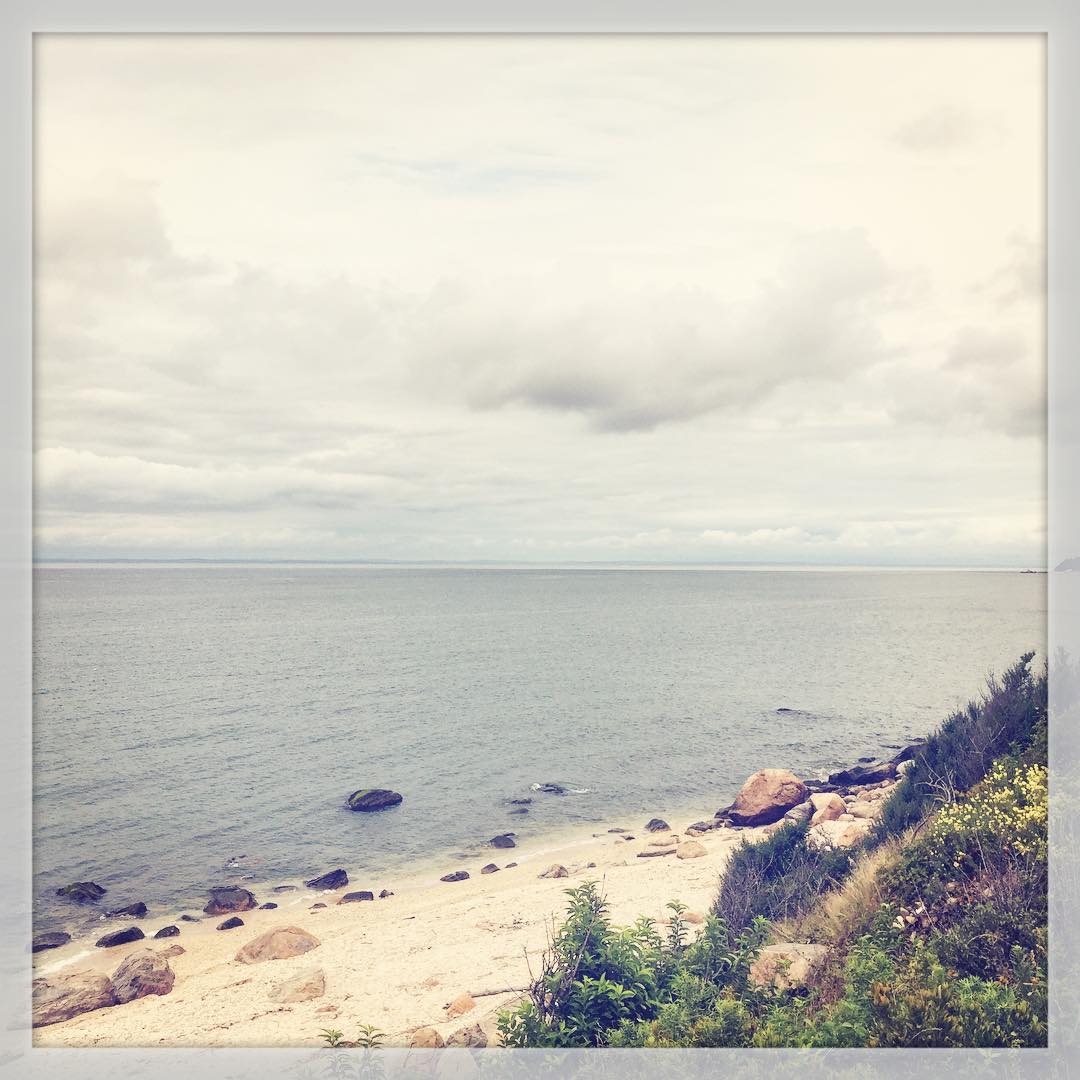
The Sound has a way of making time feel slower, as if the day is asking you to stay a little longer.

The sky was a soft sheet of gray, stretched wide and calm. Below it, the water held that same quiet color—neither stormy nor bright, just steady, like it had nowhere else to be. The shoreline curled away into sand and stones, the kind you step around without thinking until you notice how each one has its own worn shape, made patient by the tide.

Some weekends don’t need much of an itinerary. A bottle opened between friends. A few cups poured without ceremony. The simple work of standing still and watching the horizon.

I like places like this because they remind me how many worlds can exist at once: the busy one you came from, and the quieter one that’s been here the whole time. If you listen long enough, you can almost hear one pressing up against the other.

It “sounds” like a great weekend because it was—uncomplicated, a little salty in the air, and full of the kind of silence you don’t rush to fill.

Wine first, Service second

There’s a particular kind of calm that settles over a vineyard when the sky can’t decide what it wants to be. The clouds hang low and heavy, the rows of vines run on like quiet sentences, and a small wooden deck becomes its own little world.

A shade sail stretches above the table like a soft, taut promise—just enough shelter to keep the afternoon unhurried. A handful of people lean in toward one another, glasses raised, mid-story. It’s casual, almost ordinary, but the ordinary is where the best things tend to hide.

Wine first, service second—at first it sounds like a joke. But it’s also a small truth. The wine is the anchor; everything else should simply get out of the way. On days like this, you don’t need a performance. You need a pour that tastes like the place it came from, and a table that lets you stay a little longer than you planned.

I think that’s what good service really is: not hovering, not interrupting, not rushing the moment to its conclusion. Just giving the day enough room to unfold—vineyard in the distance, weather overhead, wood beneath your feet, and chardonnay catching whatever light the clouds are willing to spare.

End of a Winey Weekend

The weekend ended the way some weekends do—slowly, in the soft middle space between one last pour and the drive home.

We were out among the rows of vines on the North Fork, where the green feels patient and the air has that quiet, worked-in kind of calm. Someone sits on a set of painted picnic benches, glass in hand, smiling like they’re keeping a small secret. The colors beneath them look almost childlike, like something meant for a playground, but here they belong to the day: bright stripes against grass and trellis lines.

There’s a particular comfort to vineyards. They’re orderly without being stiff. You can hear the place living—leaves shifting, distant voices, the thin clink of glass—while time moves at a different pace. It’s easy to let the weekend stretch longer than it should, to pretend the week ahead is only a rumor.

By the end, though, the sweetness turns reflective. Not sad, just settled. Like closing a door gently instead of letting it swing.

If you’ve ever tried to hold on to a Sunday afternoon, you know the feeling: a small, warm ache to keep what’s good exactly where it is—sunlight, laughter, the last sip—before it becomes memory.

Vaca brunch with the boys

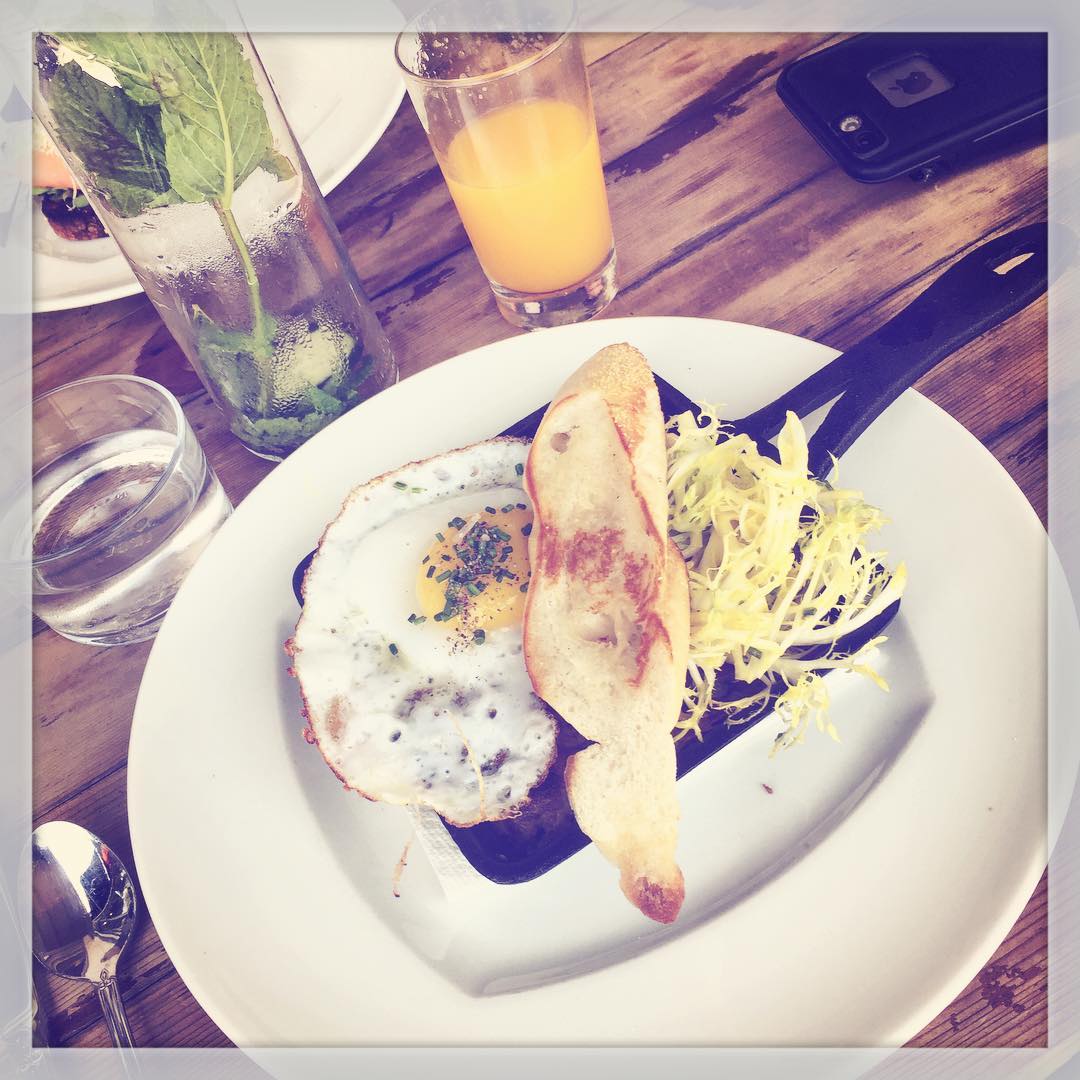
There’s something quietly perfect about brunch on vacation: a wooden table warmed by sun, a glass of orange juice catching the light, mint leaves sweating in a tall drink like they’ve been waiting all morning to be noticed.

In front of us, a simple plate—one egg, set just right, a slice of bread browned at the edges, and a small tangle of greens off to the side. It isn’t trying to be impressive. It just shows up, honest and unhurried.

That’s the best part of mornings like this with the boys. Conversation drifts the way vacation time does—loose, half-planned, and easy to laugh at. Phones sit nearby, face down or forgotten, while the table does what a table is supposed to do: hold everyone in place for a minute.

Back home, routines stack up fast. Meals become fuel. Mornings become lists. But here, the smallest details feel louder—the cold rim of a water glass, the scrape of a spoon, the way the air slows you down.

Vaca brunch with the boys isn’t a grand story. It’s just a pause. And sometimes that’s enough to make a place feel like it’s already becoming a memory.

North fork wine country

Out on the North Fork, the afternoon feels like it’s been rinsed clean—green at the edges, bright in the middle, and slow enough to notice.

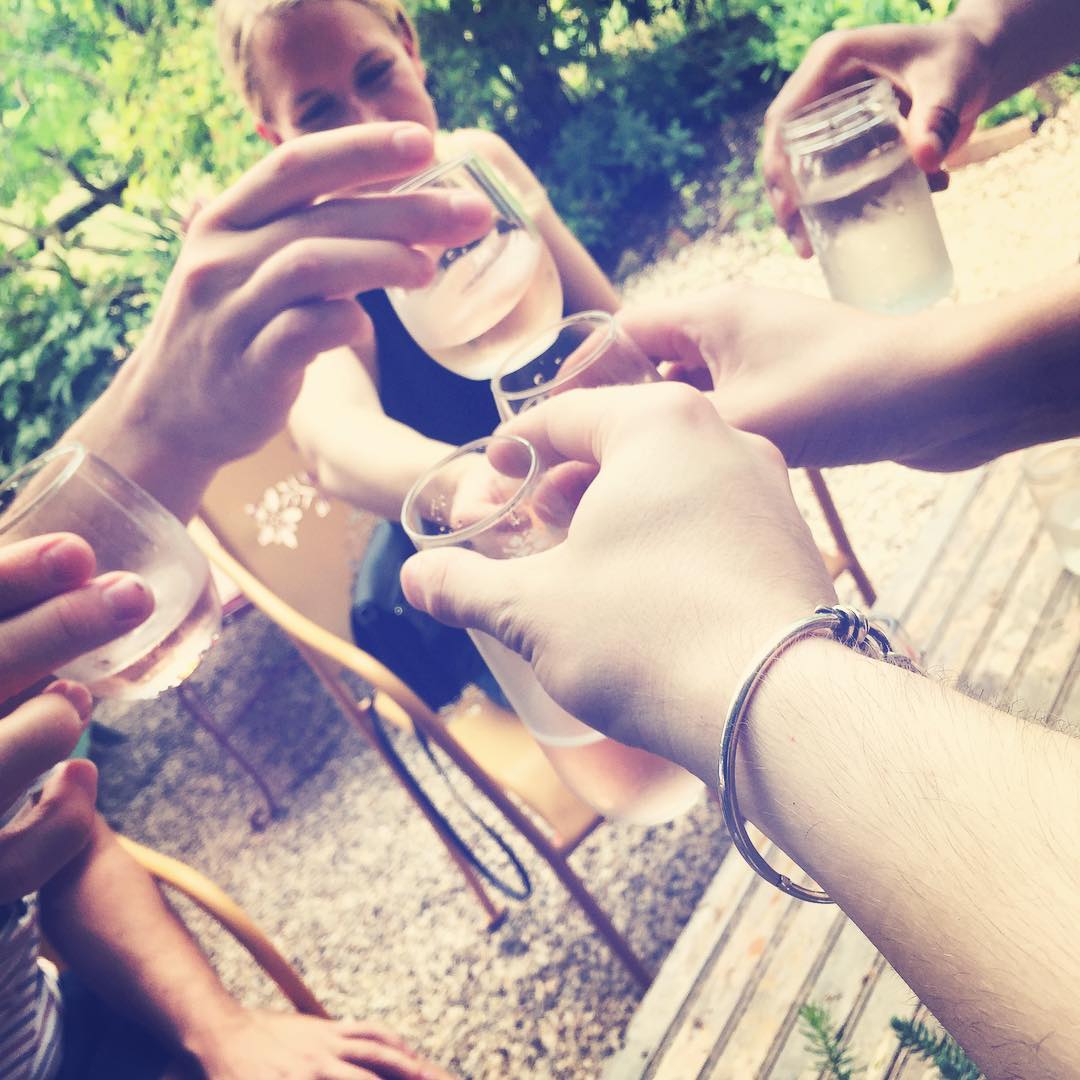
We found ourselves clustered around a small table, hands meeting in the center with plastic cups that caught the light. There’s something disarming about tasting like this: no ceremony, no script, just a shared pause. Someone pours. Someone laughs. The moment becomes its own little weather.

Wine country here isn’t loud. It doesn’t need to be. It sits alongside you, the way a familiar place does—letting the breeze move through and leaving room for the quiet parts of the day. Between sips, you can hear the world doing its ordinary work: leaves shifting, gravel under a chair leg, conversation rising and falling like it’s always belonged.

I tried to name what makes it feel good—maybe it’s the closeness of it, how quickly you can step from the road into something softer. Or maybe it’s that the best parts aren’t really in the glass at all, but in the small convergence of hands and attention.

Afterward, I kept thinking about how places can hold a mood. Not capture it—just make space for it to settle, for a minute, before everyone goes back to their separate directions.

North Fork Wine Country

North Fork Wine Country has a way of feeling both ordinary and a little unreal—like the day is sun-warmed at the edges, and the rest of it is quietly humming underneath.

We leaned into a weathered shingle wall, close enough to share shade and a laugh, the kind that comes easy when you’ve already decided not to rush. There’s something about wine country weekends that makes time behave differently. Minutes loosen. Conversations stretch out. Even the small moments—sitting still, shoulders touching, looking into a camera—feel like they’re holding onto you.

I like the North Fork for its softness. It isn’t trying to be a grand performance. It’s tasting rooms and back roads, the gentle clink of glasses, and that slow drift from one place to the next. Rosé tastes like summer even when summer is almost over, and the air feels like it’s been filtered through salt and fields.

Traveling together can be loud in other places—planning, lines, landmarks—but here it’s quieter. You notice textures: cedar shingles, sunlit wood, the way the afternoon settles into your clothes. You listen to one world press up against another: weekend crowds and local calm, bright smiles and the private comfort underneath them.

We came for a simple getaway. We left with that rare feeling of being more settled than when we arrived.

Bocce ball and Wine

There’s something quietly satisfying about the simple pairing of bocce ball and wine—two slow pleasures that don’t ask you to rush.

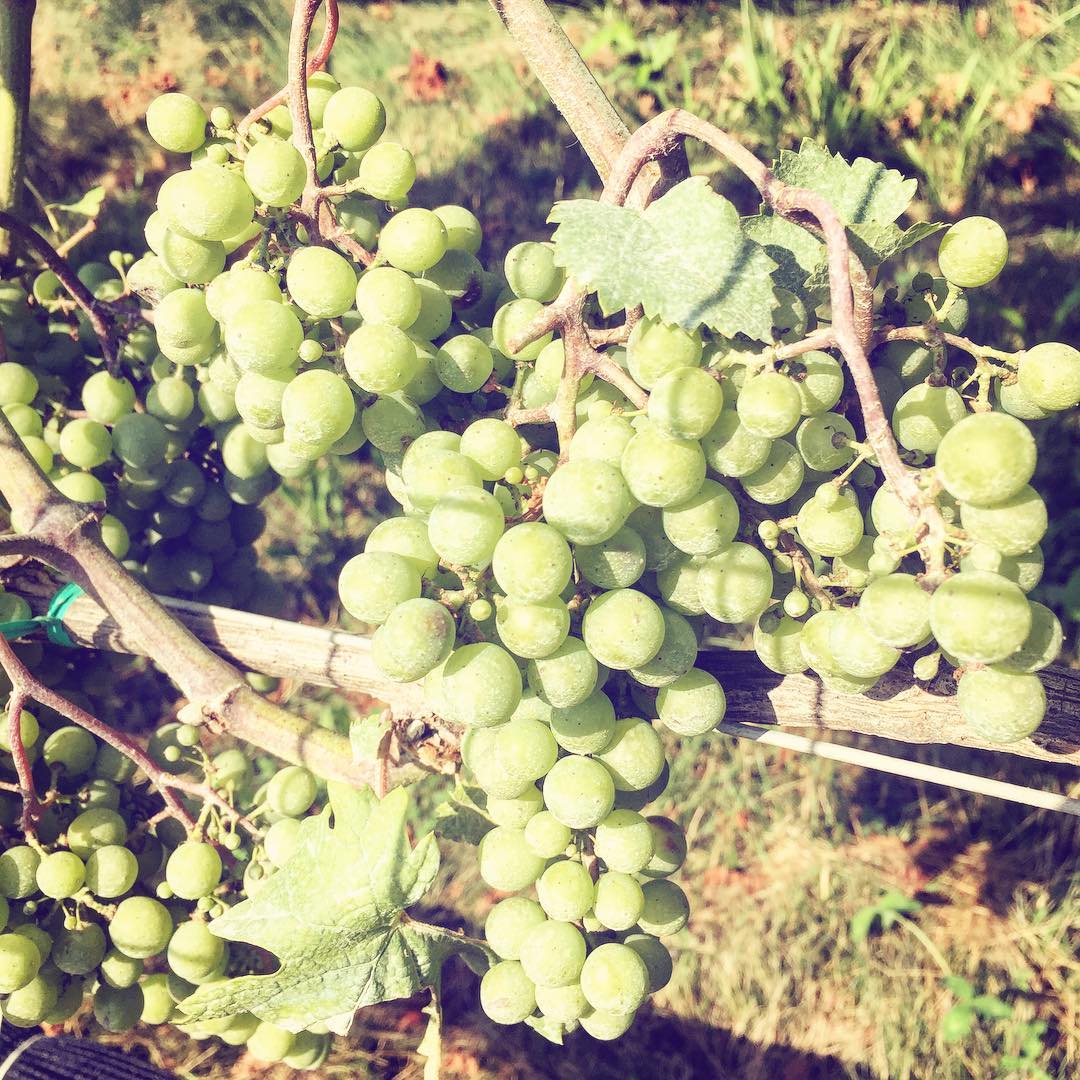
Out here, the vines do most of the talking. The grapes hang heavy and pale green, warmed by the late-day sun, as if they’ve been holding onto summer for just a little longer than they should. You can stand still and listen and feel it: one world pressing up against another. The neat rows and careful trellises, the open sky, the distant sounds of people laughing between turns.

Bocce is like that. A game of small distances. A soft toss. A patient walk to see what shifted. It isn’t loud, and it doesn’t need to be. It leaves room for conversation, for long pauses, for the clink of a glass set down in the grass.

And then there’s the wine—cool and bright, tasting of the place it came from. Not just grapes, but air and soil and time. The kind of drink that makes the moment feel a little more settled, like an old house in winter that knows how to hold warmth.

If you ever need an afternoon that feels both ordinary and quietly memorable, find a vineyard, bring a few friends, and let the day stretch out. Roll the ball. Sip the glass. Watch the vines.

Perfect Sunday Lunch

A perfect Sunday lunch doesn’t need much to feel like a small ceremony. Just a table outside, the day moving slowly beyond the railing, and enough time to let the ordinary turn a little golden.

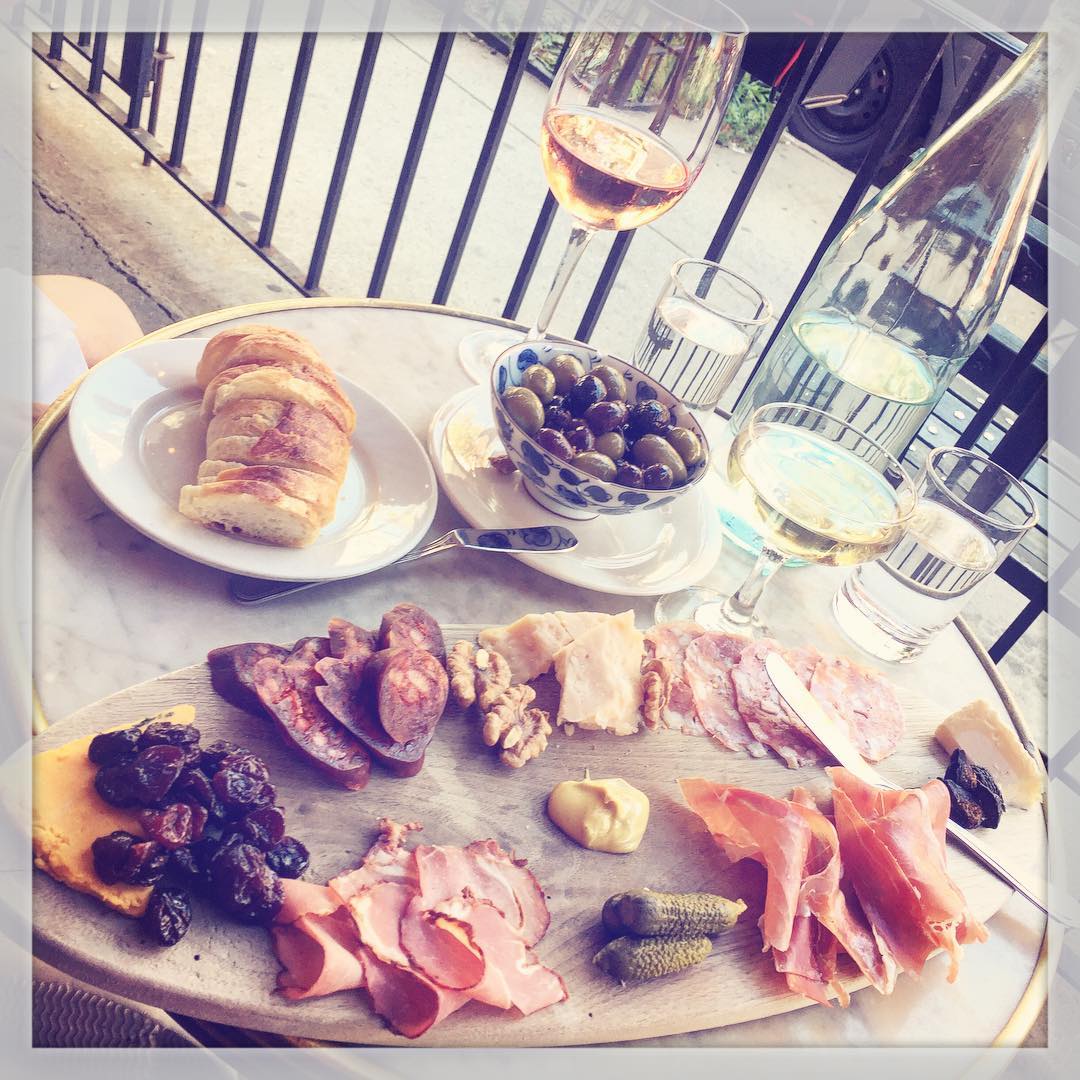
On the plate: thin slices of cured meats, a few sausages, olives in a small bowl, pickles that bite back, and a soft, pale spoonful of mustard that somehow makes everything taste more awake. Bread sits close by, simple and warm-looking, ready to catch whatever’s left behind.

Two glasses of wine hold the afternoon up to the light, the kind of light that makes you pause before you drink. A bottle of water sweats beside them, clear and quiet, like the practical friend who still knows how to enjoy themselves.

Meals like this feel less like eating and more like listening. To the clink of glass, to the scrape of a knife on wood, to the distant traffic and the brief hush between sentences. The city keeps moving, but for a moment it moves around you.

It’s easy to forget how restoring a slow lunch can be. Not a celebration, not an occasion—just a soft reset, tucked into the middle of the week’s noise.

Exit mobile version