After the Winter Rain Fell

The rain has a way of changing winter without really warming it. It doesn’t arrive with thunder and spectacle—just a steady insistence that turns edges soft and makes everything look recently handled.

After the winter rain fell, the road looked darker, almost polished, like it was trying to remember every tire that passed. Water gathered in the low places and held the gray sky without complaint. Beyond the shoulder, the field sat flat and quiet, and the trees—bare, tangled, honest—stood in their own thin patience.

There’s a particular silence that comes after rain in the cold months. Not the silence of snow, which feels like a blanket, but something more open. You can still hear the distant hum of cars, the faint suggestion of life moving along. Power lines cut across the view like pencil marks, and for a moment the whole scene feels composed—ordinary, but intentional.

I like these in-between days. Winter hasn’t finished speaking, but it pauses. The landscape doesn’t ask for attention; it simply keeps its place. And standing there, looking down the wet stretch of road, it’s hard not to feel that small, familiar pull—memory settling in around the present like water finding its level.


This mall is a circus

The mall ceiling rises like a tent that forgot it was supposed to come down after the show.

I stood under it and looked up, letting the lines pull my eyes toward the center, where the frame holds everything in place. The cables stretch outward like spokes, neat and patient, as if the building is practicing some quiet trick: take something ordinary and make it feel like a performance.

“This mall is a circus” is an easy joke, but it’s also a small truth. Malls already have their own soft noise—footsteps, distant music, the shuffling of bags—sounds that blur together until you can’t tell what you came for. Under a roof like this, the whole place feels staged. Not in a dishonest way, just in the way a bright space asks you to keep moving.

Looking up, I thought about how architecture can change your pace. How a ceiling can make you feel tiny, and then strangely calm. The shops below keep their lights and mannequins, their careful displays, but above them is a kind of airy structure that feels more like weather than retail.

Maybe that’s the trick: you come in for errands and leave with a moment you didn’t plan on. A brief pause in the middle of the ring.

Brunch’n with Bae at the Smile NYC

| #smile #brunch #boyfrindsWhoBrunch
| ??☕️
| One of my favorite and longest surviving cafes in New York City is The Smile. Always great coffee, yummy food, and great atmosphere! If ever in soho for breakfast or brunch I highly recommend taking the time to wait for a table at The Smile.
| Read Insta-comments -> http://bt.zamartz.com/2jNqCWp

Ken’s Happy Birthday HotPot

Tonight’s hot pot feels like the kind of warmth you can’t quite photograph—the way heat gathers at the edges of a night and makes everyone lean in.

Ken’s Happy Birthday HotPot started with a simple center: a ceramic pot perched above blue flame, surrounded by dark lava stones, steady and alive. It’s the sort of setup that turns a patio into a small, flickering room. The air goes cool, the conversation slows, and you can hear the night doing what it always does—moving around you while you stay put for a while.

We cooked the way you do when the point isn’t speed. Thin slices of wagyu beef disappeared into the broth and came back out transformed, tender and rich. Everyone hovered close, trading turns, watching steam rise, letting the meal pace itself. A birthday doesn’t need much more than that: a shared pot, a little ceremony, and the feeling that the evening is holding together.

There’s something comforting about food that asks you to pay attention. You wait, you listen, you taste, you repeat. The fire keeps its quiet rhythm. The pot keeps offering another small moment. And somewhere in the middle of all that, the celebration becomes real.

Early 20th Century Japanese textiles made into Decor

| @sri #vintage #textiles #japanese
| ????

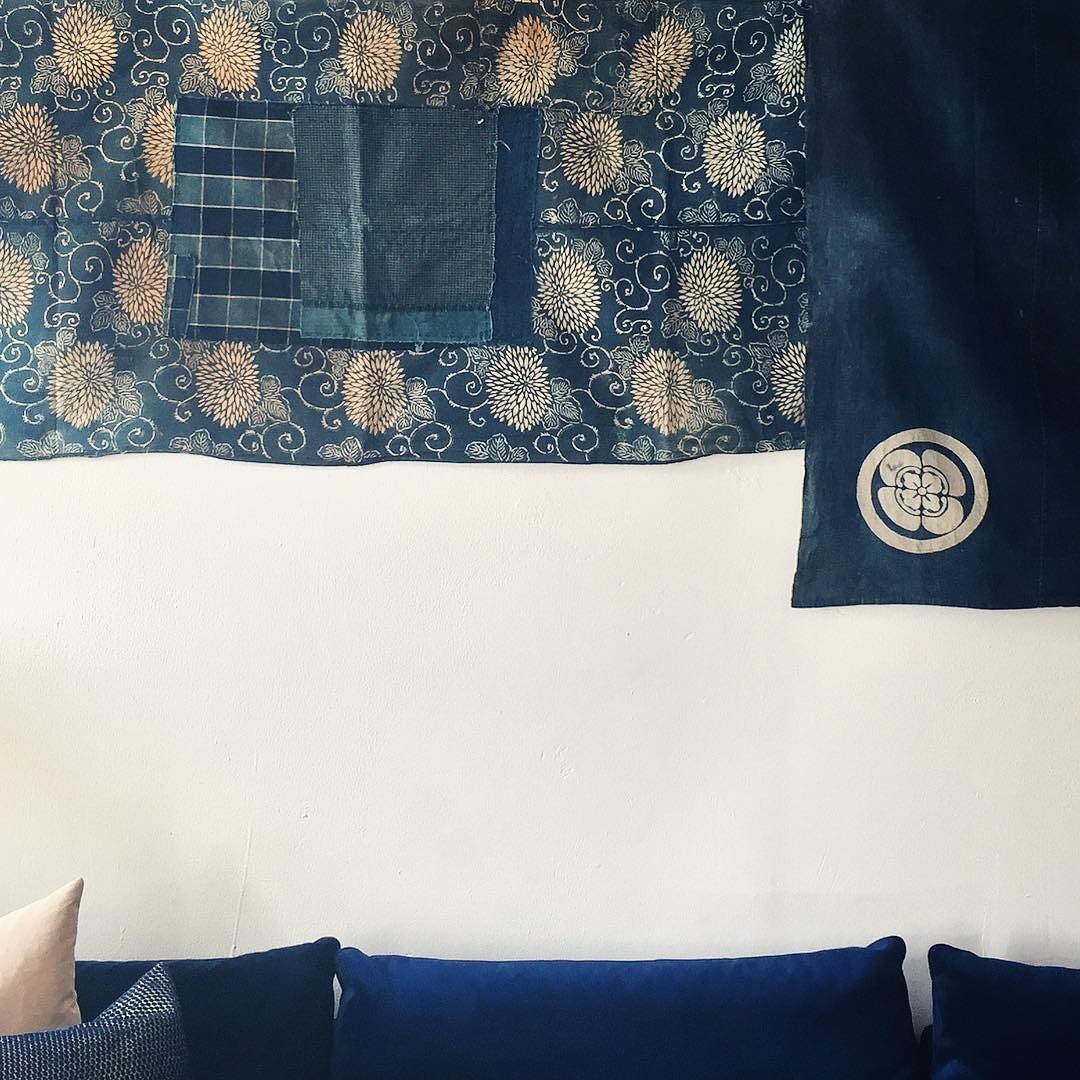
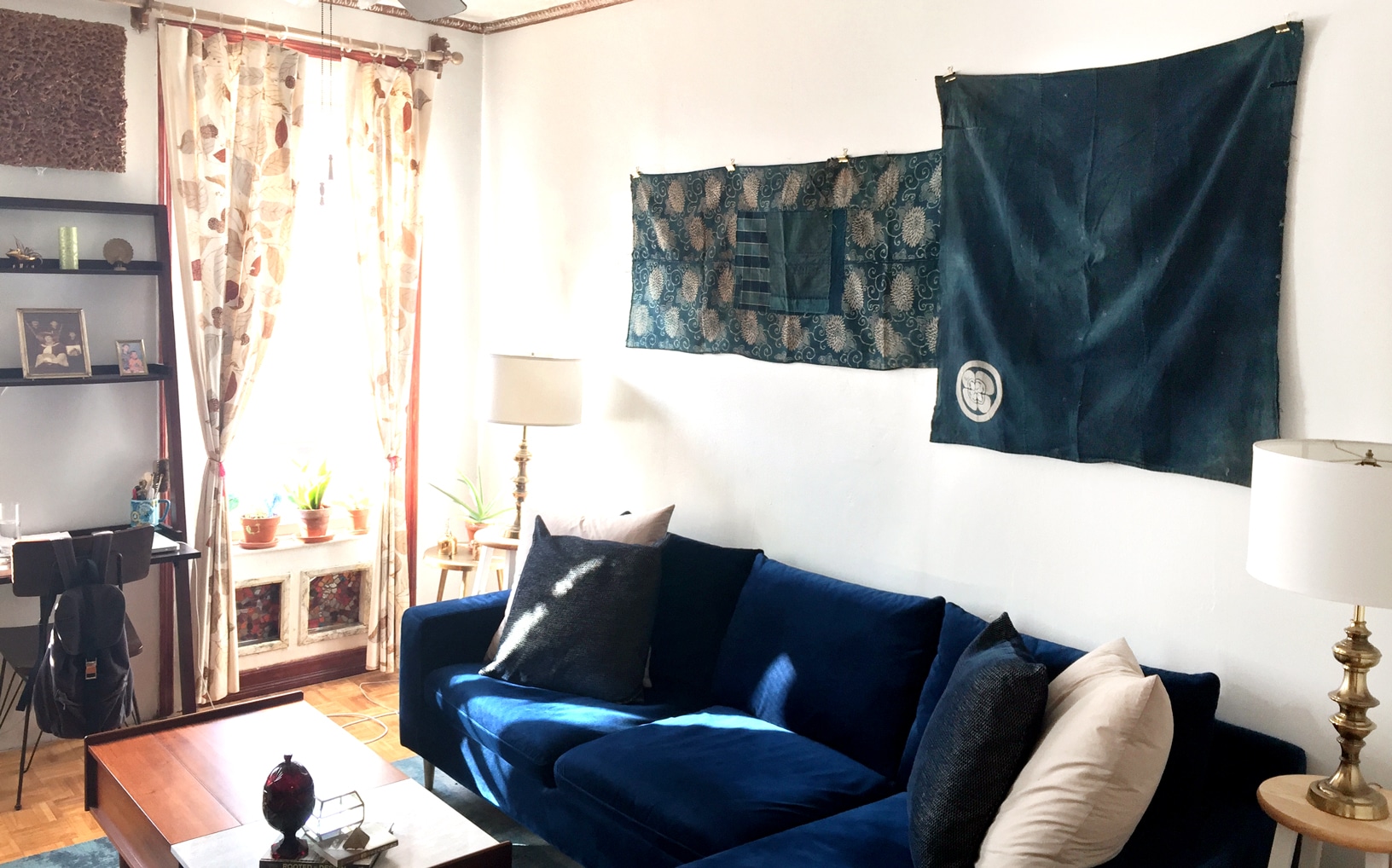
Finally, a trip to a neighborhood showroom Sri, with the intent to purchase some Japanese Textiles that were both Indigo Dyed and Boro.

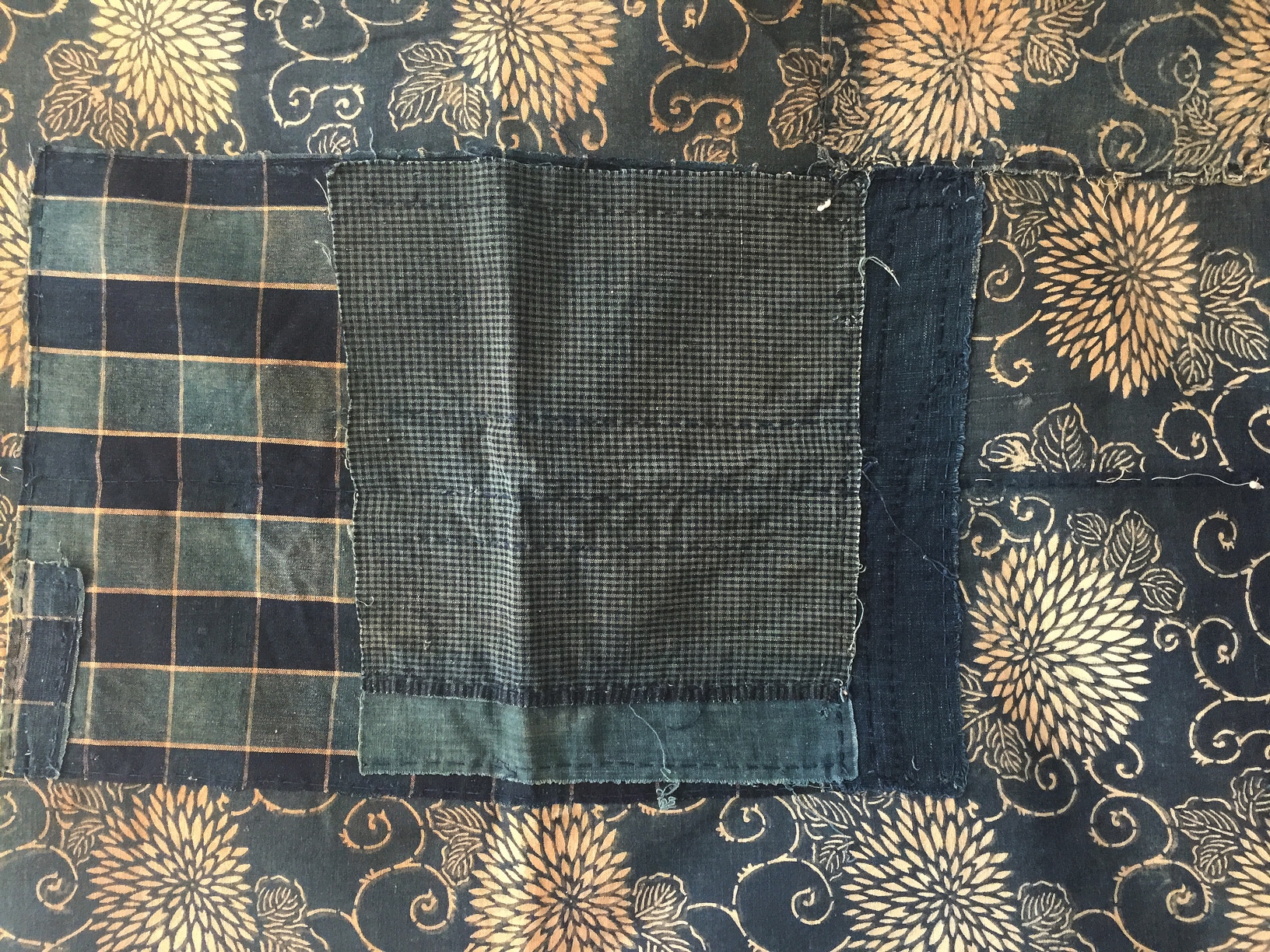
“Boro” means “tattered” in Japanese and describes textiles that have been clearly used, broken/damaged, and stitched back together with contracting fabrics.

I was fortunate enough to purchase two pieces from Sri, each hand loomed and indigo dyed and created in the early 20th century. The longer, Boro piece would have been used for bedding and has a chrysanthemum print. The square piece would have been used for bundling and has the Oda melon flower at the corner. It was created using the technique called katazome (stencil paste dye).

Sri Founder, Stephen Szczepanek.

| Read Insta-comments -> http://bt.zamartz.com/2iEszUh

Saturday Cooking Party with Bae

It started as a small thing—Saturday light spilling through the curtains, catching on glass and old paint, turning the hallway into something softer than it has any right to be. The apartment felt awake before we were, like the walls had been holding onto warmth from yesterday.

Saturday Cooking Party with Bae wasn’t really a party in the loud sense. It was the quiet kind: knives on a cutting board, water heating, the slow fog of something simmering. We moved around each other in that practiced way, not choreographed, just familiar. The sunlight kept shifting, finding new corners—then retreating—like it was tasting the room.

Some places feel temporary, like you can lift your life out of them in one afternoon. But every now and then, a home starts to live alongside you. You notice it in small sounds: a cabinet settling back into place, floorboards answering your steps, the hush that follows when the burner clicks off.

We cooked with the windows bright and the day wide open. Between stirring and tasting, there were pauses where nothing needed to be said. The kind of pause that makes you grateful for ordinary things: a warm room, a shared meal, the feeling that time is moving—yet, for a moment, letting you stay.

If you’re looking for a recipe, I don’t have one that can be written down. Just this: keep the light, keep the company, and let the kitchen do what it does best—turn a regular Saturday into something you’ll want to remember.

Exit mobile version