
Goodbye Brooklyn, see you soon ~ back to FLX


As we bid farewell to our old home in Brooklyn, we look forward to resuming the next chapter of our lives in FLX. There’s something magical about going home to our new place, and we can’t wait to see what new adventures are in store for us. Although we’ll miss the city skyline and the bustling streets, we’re excited to surround ourselves with the serene beauty of nature and the calming waters of FLX.

Our memories in BK will always hold a special place in our hearts, but it’s time to embark on a new journey. We’ll cherish the moments we spent here, and we’ll never forget the friendships we’ve made. We’ll make sure to keep in touch with our loved ones, and who knows, we might even come back yet another day.

For now, we’re saying goodbye to BK, and hello to the sunshine state. We’re excited to see what the future holds, and we can’t wait to share our journey with you. Stay tuned for updates on our new adventures in FLX!
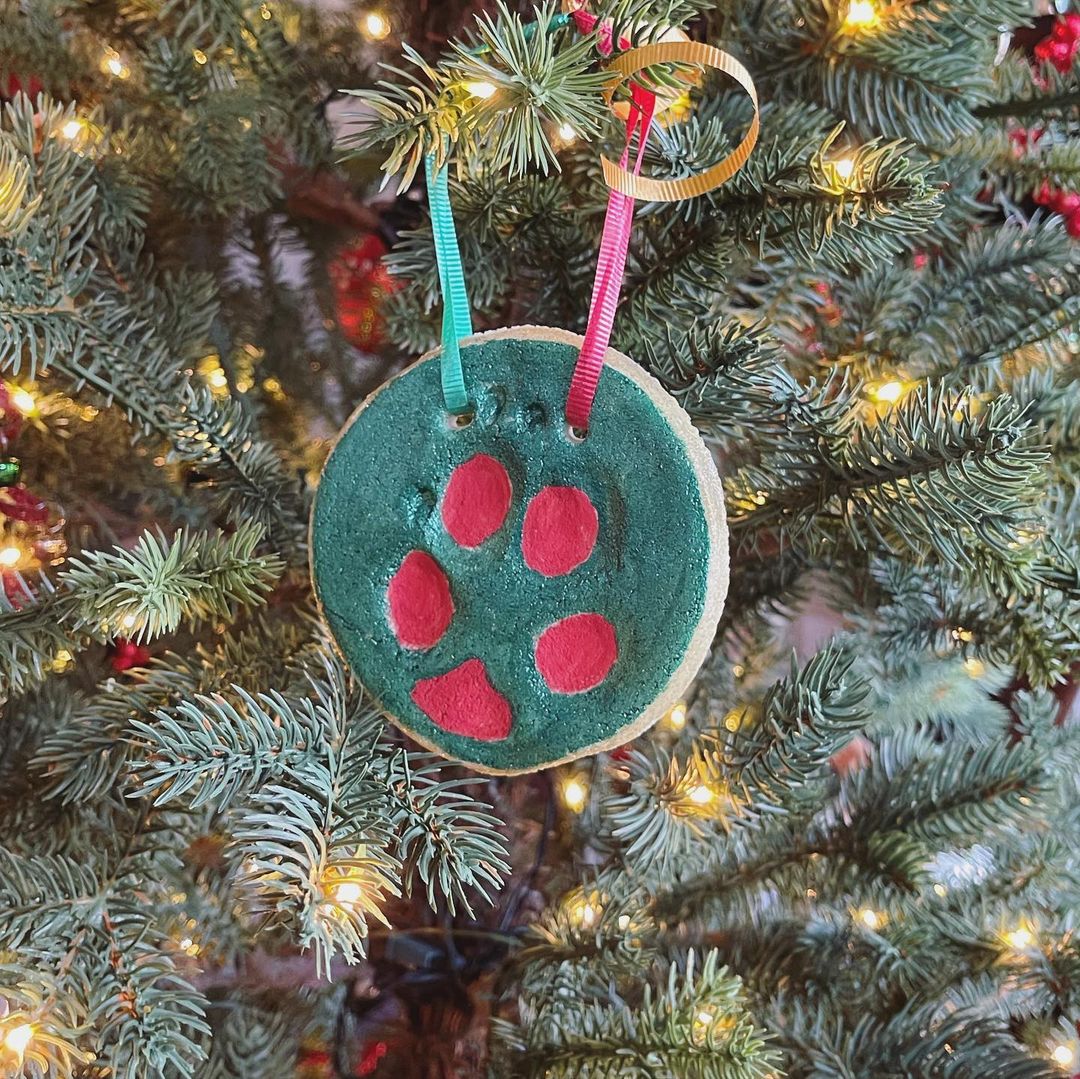
A Happy Puppy Paw Ornaments Holiday

???

For the past several months, COVID has made staying connected with loved ones incredibly hard. Now that holiday time is here, it is even more difficult. Both of my grandmas are in senior homes and my mom is a frontline worker, so we have to be extra careful. This Christmas, I used my creativity to make gifts that would bring a lot of cheer.

Since my family and I have been so far away from each other, I wanted to give them something that was very close to my heart. Making hand-crafted gifts was the way to go. I made prints of Dyson’s paws using salt cookie batter and turned them into Christmas tree ornaments. Then, I hand-painted one for my mom, my two grandmas, and myself. I knew my doggie DIY gifts would bring them a lot of comfort and joy.

Salt cookie ornaments are a very easy DIY holiday craft. They can be super fun and styled with cookie cutters or they can be super personal with a child’s hand or fur baby prints.

Ingredients

  • 4 cups Flour
  • 1 cup Salt
  • 1.5 cups Water
  • Shaped Cookie Cutter
  • Acrylic paint
  • Straw

Instructions

  1. Preheat your oven to 200 degrees Fahrenheit or about 95 degrees Celsius.
  2. Mix together flour, salt and water. Knead for 8 to 10 minutes. If your dough starts to crack it is too dry and needs more water. If the dough sticks too much to your hands it is too wet and needs more flour.
  3. Roll out the dough to about 1/2 cm or 1/4 in of thickness. Thinner ornaments will bake faster and be lest prone to “puffing up” but may be a bit harder to handle. If you stick in this range you should be in the sweet spot to have a quick baking ornament that is easy to decorate.
  4. Use a cookie cutter or kitchen tool to get the shape you want in the ornaments. Fit as many as you can on your rolled dough.
  5. Using a straw, make a hole in the top of your ornaments. One hole for small ornaments and two holes about 1.5cm or 1/2 in apart for larger ornaments.
  6. Put the cut ornaments onto a parchment lined baking sheet and bake for 1-2 hours. If your ornaments still feel moist when you take them out of the oven put them back in for another hours. Once they look/feel baked, take them off the cookie sheet, flip them over top-side down to cool.
  7. Once cooled it is now time to decorate your ornaments. Ensure you cover all surfaces with acrylic paint so that you can seal the cookie. It is dough after all, but this will help it last for many years to come.
  8. Pro Tip: On the back of the ornament leave space to write your initials and year with a fine tipped sharpie.

The world felt just a bit more friendly

???

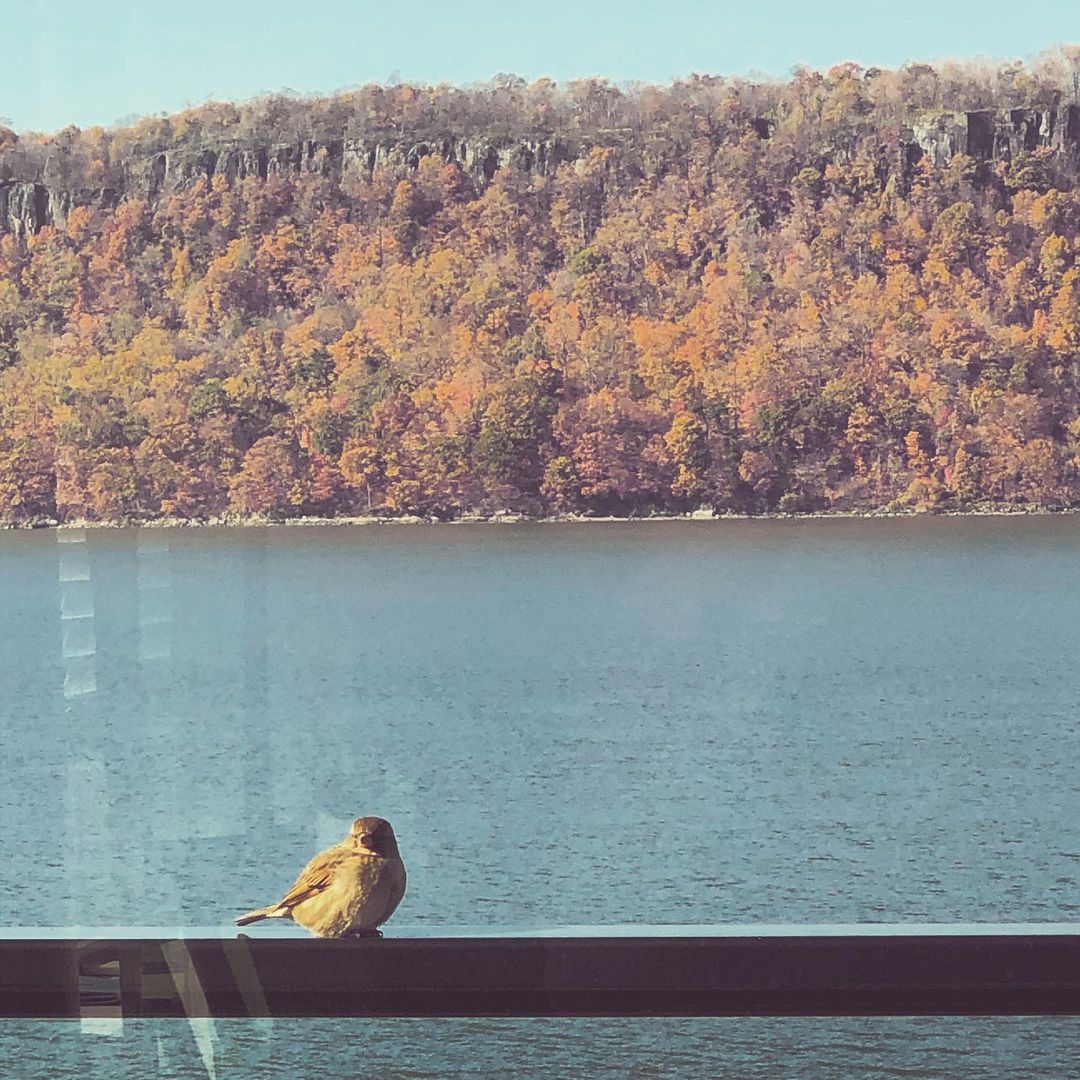
There are a set of birds that constantly visit the Hudson River Palisades across from my apartment. Their favorite spot is the railing right outside my window. Over time, I have gotten to know their little quirks and habits.

I know that these birds are not wasteful. They did not hesitate to eat the seeds from my mums once they started to die. I have also learned that they are resilient. One of the birds dove into my patio furniture, got right back up, and flew away.

As fascinated as I am with these birds, they appear to feel the same way about me. One bird stared at me through my window for about an hour while I worked. Now that we have gotten to know one another, it is safe to say that we are friends.

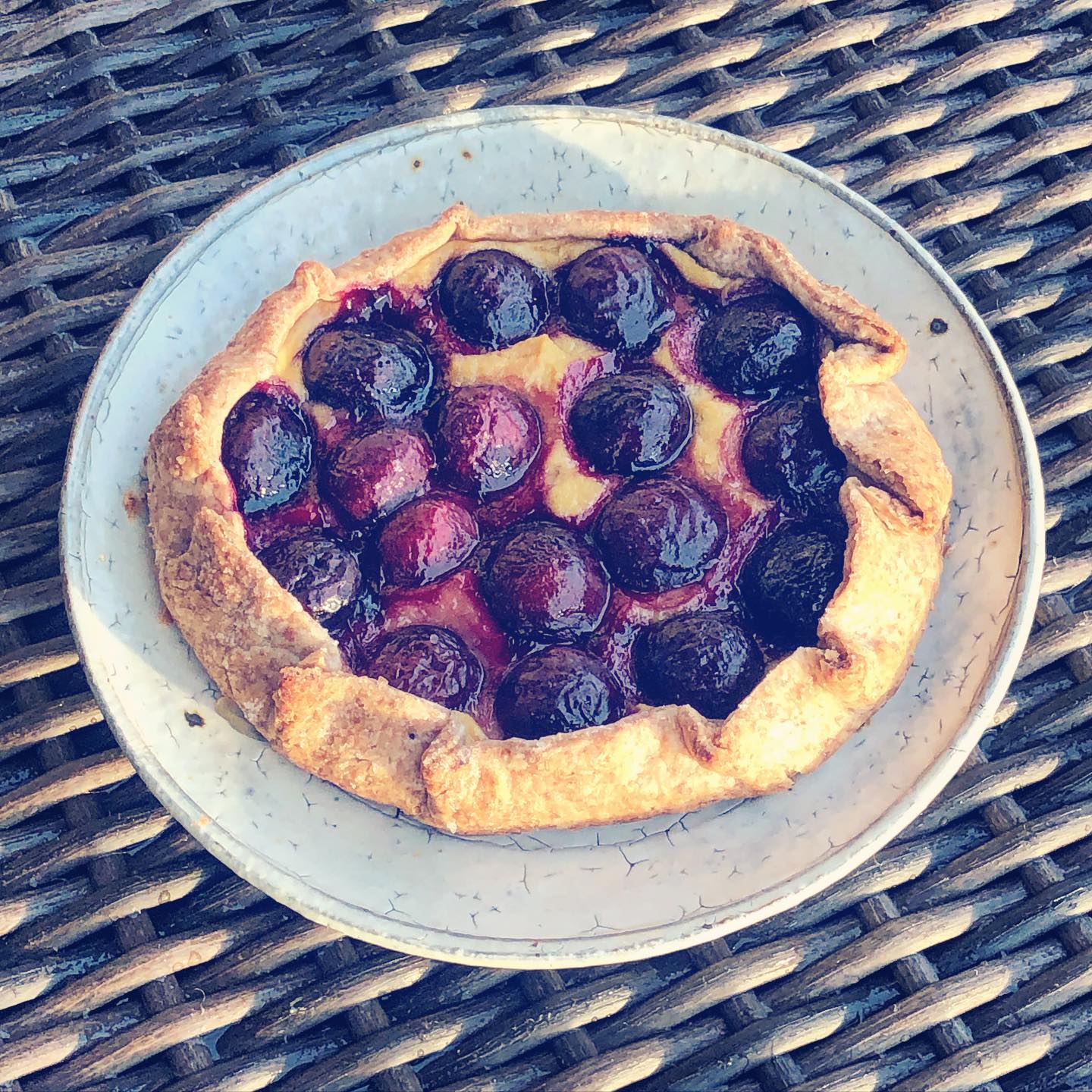
Cherry Spelt Galette

Cherry Spelt Galette is my favorite kind of dessert: the sort that doesn’t ask for perfection, only a little attention. The dough is rolled out in whatever shape it wants to be. The fruit goes in like a small, bright heap. The edges fold up and over, as if to keep the good part from escaping.

Spelt flour makes the crust taste a little toasted and nutty, and it bakes into something sturdy at the rim and tender underneath. In the middle, the cherries go soft and glossy, their juices turning darker as the heat concentrates them into a jammy puddle. It’s messy in the best way—the kind of mess that proves you were here, that you made something real.

This is a weekend bake, meant for slow mornings or late afternoons when the kitchen feels like the warmest room in the house. If you can, let the galette cool just enough to set, then slice it while it’s still faintly warm. The crust will crackle. The fruit will hold, mostly.

Serve it plain, or with a spoonful of yogurt or cream if you like. Either way, it’s simple and generous: a rustic circle of spelt crust holding cherries in place, asking only that you sit down for a minute and eat.

Mexican Razor Blade

There’s a certain kind of weekend quiet that asks for a drink you can hold like a small, cold candle—something bright, something steady, something that doesn’t rush you.

The Mexican Razor Blade arrives pale and calm, a milky pool over ice, with ribbons of cucumber folded on top like a green note left on the surface. A few dark flecks—spice or pepper—float there too, as if the glass has its own weather.

I keep thinking about how a cocktail can feel like a room you step into. The wood of the table is warm under the glass; the drink is cool enough to fog the edges, cool enough to slow the minutes down. It’s not just refreshment—it’s a small reset. The kind you take when the week has been loud and you want the evening to live alongside you, not on top of you.

And the words on the glass—love is love—sit there without explanation. Not a slogan, just a truth you can see while you sip. Simple, settled.

If you make a Mexican Razor Blade this weekend, let it be unhurried. Let the ice crack softly. Let the cucumber keep its clean, green breath. Let the drink do what good rituals do: make the ordinary feel a little more spacious.

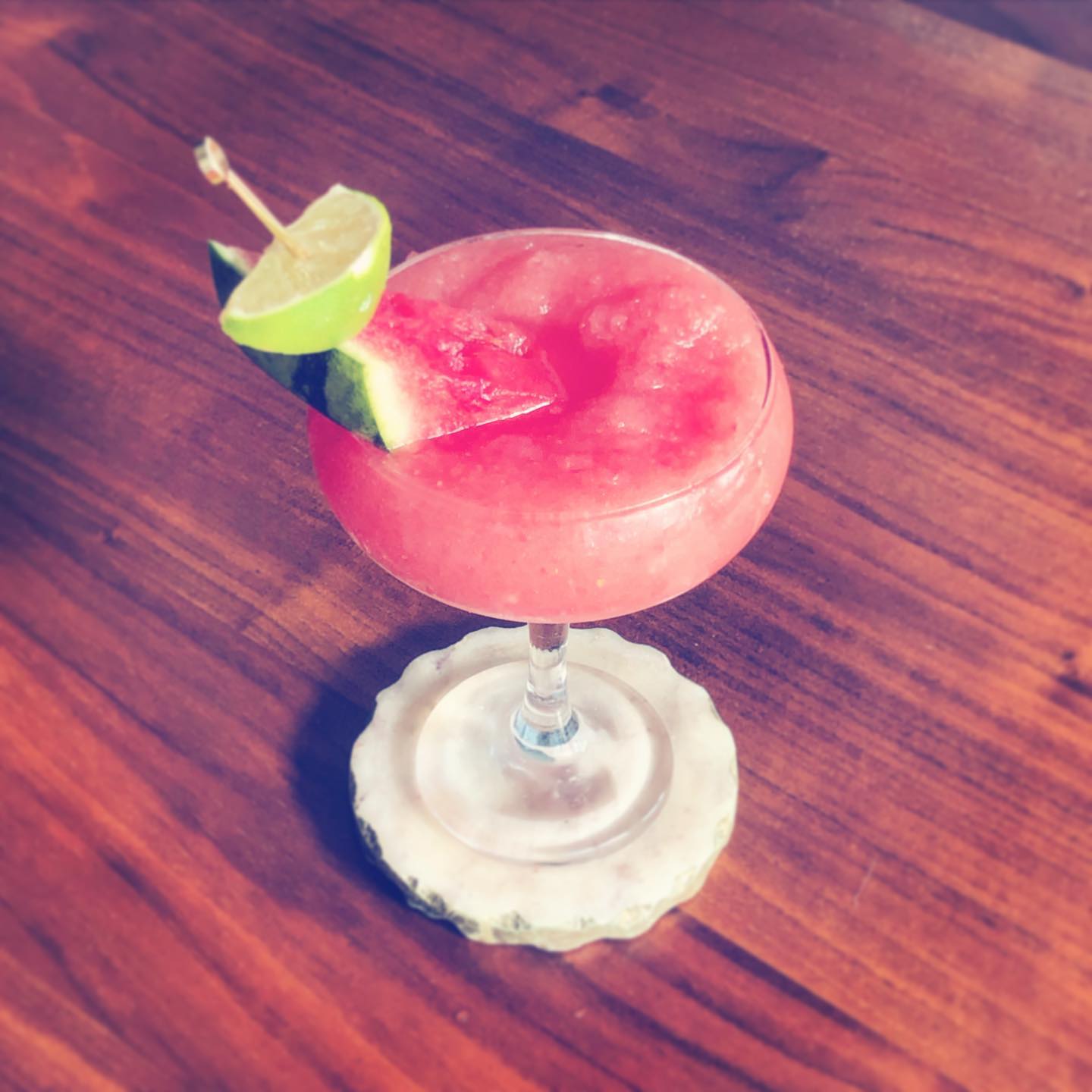
Frozen Watermelon Margarita Friday

Some Fridays ask for a little ceremony—something cold, bright, and simple enough to let the week finally loosen its grip.

Frozen Watermelon Margarita Friday is exactly that: a glass of pink ice, the kind that looks like late afternoon light, with a wedge of watermelon and a lime perched on the rim like small reminders that summer is still here. It’s sweet without being heavy, tart in the way that wakes you up, and frosty enough to slow you down.

I like drinks like this because they feel ordinary in the best way. No fuss, no performance—just the familiar clink of ice, the first sharp sip, and the quiet pause that follows when you realize you’ve been holding your breath all week.

If you’re making one at home, think in easy ratios: watermelon for softness, lime for brightness, tequila for warmth, a little triple sec if you want it rounded, and a handful of ice to turn it all into a slush. Salt the rim if you’re in the mood for that small, perfect contrast.

Pour it, take it outside if you can, and let the evening arrive at its own pace.

Sunsets on Sheets

The title says Sunsets on Sheets, but the light in this room feels like it’s doing what it always does when we slow down enough to notice: it turns the ordinary into a small landscape.

A bed isn’t just a bed when the day is ending. It’s a place where time gathers—creases and folds like quiet hills, the grid of the fabric becoming streets you could imagine walking. The window light lays across it in long bands, warm and pale, as if the sun is trying to touch everything it can before it slips away.

Staying home can make the world feel smaller, but it also makes details louder. The soft drag of cloth. The way shadows sharpen and then soften. The simple comfort of familiar patterns, repeated until they start to feel like a kind of order.

I like the idea that a sunset doesn’t need a horizon. Sometimes it lands right where you are—on rumpled sheets, on a room you’ve seen a thousand times, on the quiet proof that you made it to the end of another day.

Maybe that’s what this image holds: not a grand view, just a gentle one. A reminder that the day can close softly, and that a little light, even indoors, can feel like a blessing.

Spring Night Sunset

The river was quiet tonight, the kind of quiet that isn’t empty but full—full of distance, full of the day finally letting go.

Spring Night Sunset is a simple title, but the sky didn’t feel simple. It spread out in soft smoke and lavender, then leaned into pink and orange as if it were remembering something. The far ridge sat black and steady, a single shape holding the whole scene in place. Out on the Hudson River, the water took on the color of whatever the sky offered—muted at first, then slowly brighter, then calm again.

There’s a certain patience in these evenings. The world doesn’t announce the change from day to night; it just slides into it. You watch for a while and realize you’ve stopped thinking about anything else. The surface of the water goes on moving, but it feels like it’s moving less for you than for itself.

What I like most about a spring sunset is how it makes familiar places feel newly made. The shoreline, the distant lights, the last bit of warmth in the air—everything looks the same and still feels different. For a few minutes, it’s enough to stand still and let the color pass through.

Hudson River Spring Sunset, and then darkness. Not sudden, not dramatic. Just the day folding up and putting itself away.

Boba tea break

Boba tea break.

It’s a small pause in the middle of the day, the kind that doesn’t ask for much—just a little light through the window and a quiet table to set things down on. The pitcher is still fogged from warmth, the milk tea the color of soft tan walls, and the tapioca pearls waiting like small stones at the bottom of the glass.

I like how the ordinary parts of a day can feel almost ceremonial when you slow them down. A straw standing straight, condensation collecting in patient beads, a patterned cloth underneath everything like a calm night sky. It’s not a grand moment, but it’s steady. The kind of steadiness you can taste.

There’s something comforting about making it yourself: measuring, pouring, watching the tea turn creamy, hearing the quiet clink of glass. Outside, the world keeps moving—cars passing, distant noise, the soft insistence of time—but for a few minutes it all sits at the edge of the room.

If you need a breath between tasks, this is a good one to take. A boba tea break doesn’t fix anything. It just gives the day a small, sweet seam to hold onto.

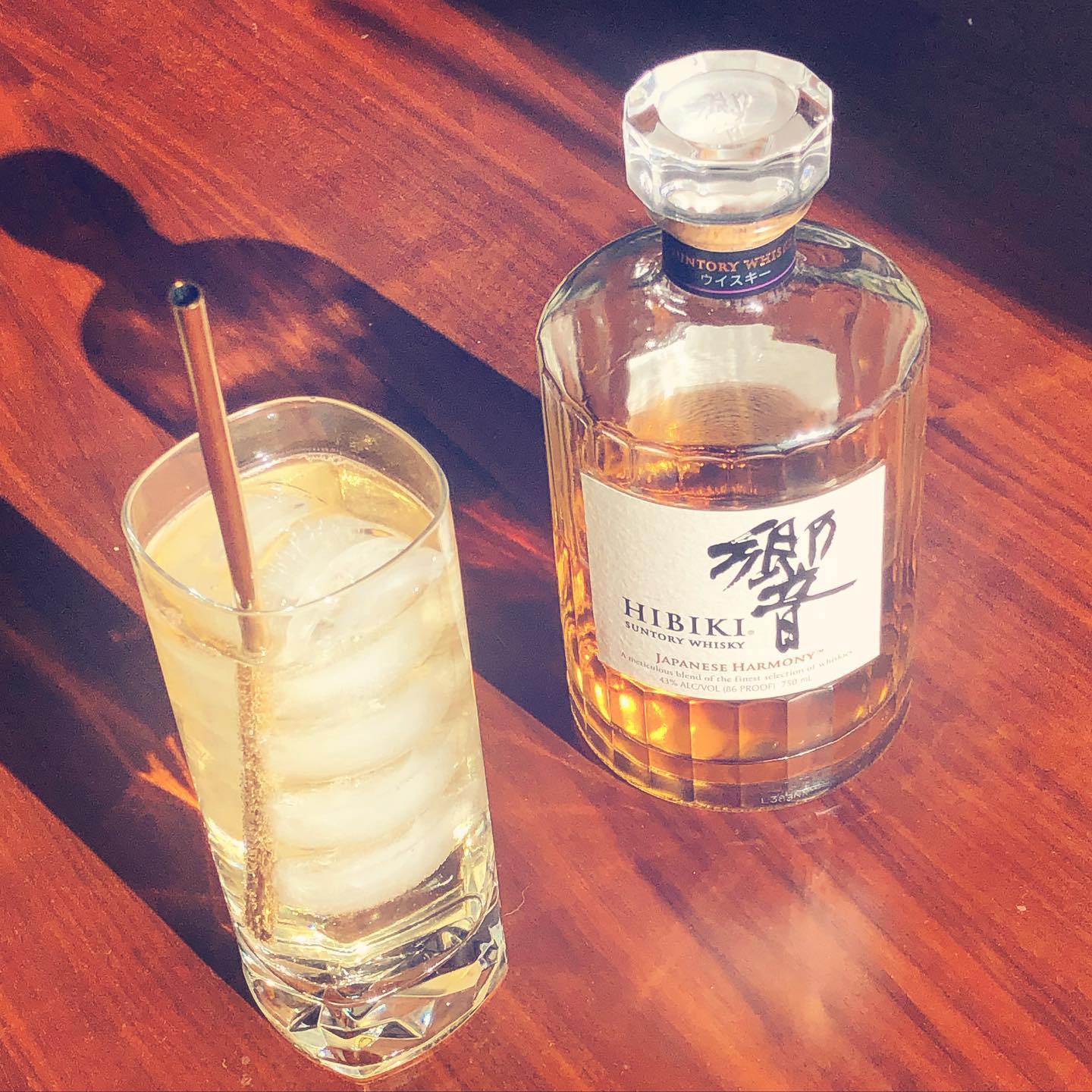
Japanese Whiskey Soda – take me back

There are certain drinks that don’t just taste like something—they sound like something. Ice settling. Glass sweating. A thin clink as you stir and everything goes briefly quiet.

A Japanese whiskey soda does that to me. It’s simple in the way good things are simple: whiskey, a tall glass, clean ice, and soda that lifts everything up instead of burying it. In the photo, the Hibiki bottle sits close by, amber and steady, like it’s keeping watch over the moment.

“Japanese Whiskey Soda – take me back” is exactly right. It takes me back to evenings that felt unhurried, when the world was smaller and the night had room in it. The kind of memory where the details matter—the cold glass in your hand, the wooden table warming under low light, the quiet confidence of a drink that doesn’t need to prove anything.

If you want to make one at home, keep it gentle. Use plenty of ice. Stir the whiskey cold first, then add soda slowly so the bubbles stay alive. It’s not a cocktail that asks for attention; it’s one that rewards it.

Some tastes are a shortcut to a place you miss. This one is crisp, bright, and familiar—like a door you didn’t realize was still unlocked.

Throwback to outside life

There’s a kind of photo that doesn’t just show you a day—it returns you to it.

Throwback to outside life feels like that. Three of us in a canoe, spaced out along the same narrow hull, drifting across dark water that mirrors the tree line. The river looks quiet enough to hear your own thoughts, but busy with small movements: a paddle lifting, a ripple widening, the slow, steady pull forward.

I miss how simple “outside” used to be. Not a plan or a productivity goal, just a default setting. You put on a life jacket, push off from the bank, and let the current and the conversation do the work. The trees keep their distance but still feel close, like a familiar backdrop that never needed explaining.

Looking back, it’s the ordinary details that feel most alive—the uneven rhythm of paddling, the water tapping the metal sides, the way everyone’s attention is on the same direction even if we’re each doing our own part.

Maybe that’s why this picture sticks. It’s proof that the world can be wide without being complicated. A canoe, a stretch of river, and the quiet assurance that you belong to the day you’re living.

Bubbles from the Mountains

Two coupe glasses catch the light on the countertop, pale gold and busy with a quiet rush of bubbles. Beside them, a bottle stands half-turned, label clean and spare, as if it doesn’t want to interrupt the moment. Even the cap set off to the side feels deliberate, a small punctuation mark.

Bubbles from the Mountains is the kind of phrase that makes you pause. It suggests elevation and cold air, the long patience of hills, and the way a place can shape what ends up in your glass. The Catskills have that steady presence—familiar but never fully known—where ordinary evenings can feel a little more spacious.

I like sparkling wine for how it changes the room. Not louder, not busier—just brighter. It turns a kitchen counter into a table worth lingering at. It makes you notice the shape of the glass, the faint swirl of foam at the edges, the tiny constellations rising up and vanishing.

There’s something comforting in that: a simple ritual that doesn’t ask for a special occasion. Just pour, listen, and let the day settle. Outside, the mountains keep their own time. Inside, the bubbles do the same—brief, shimmering, and perfectly enough.

Exit mobile version