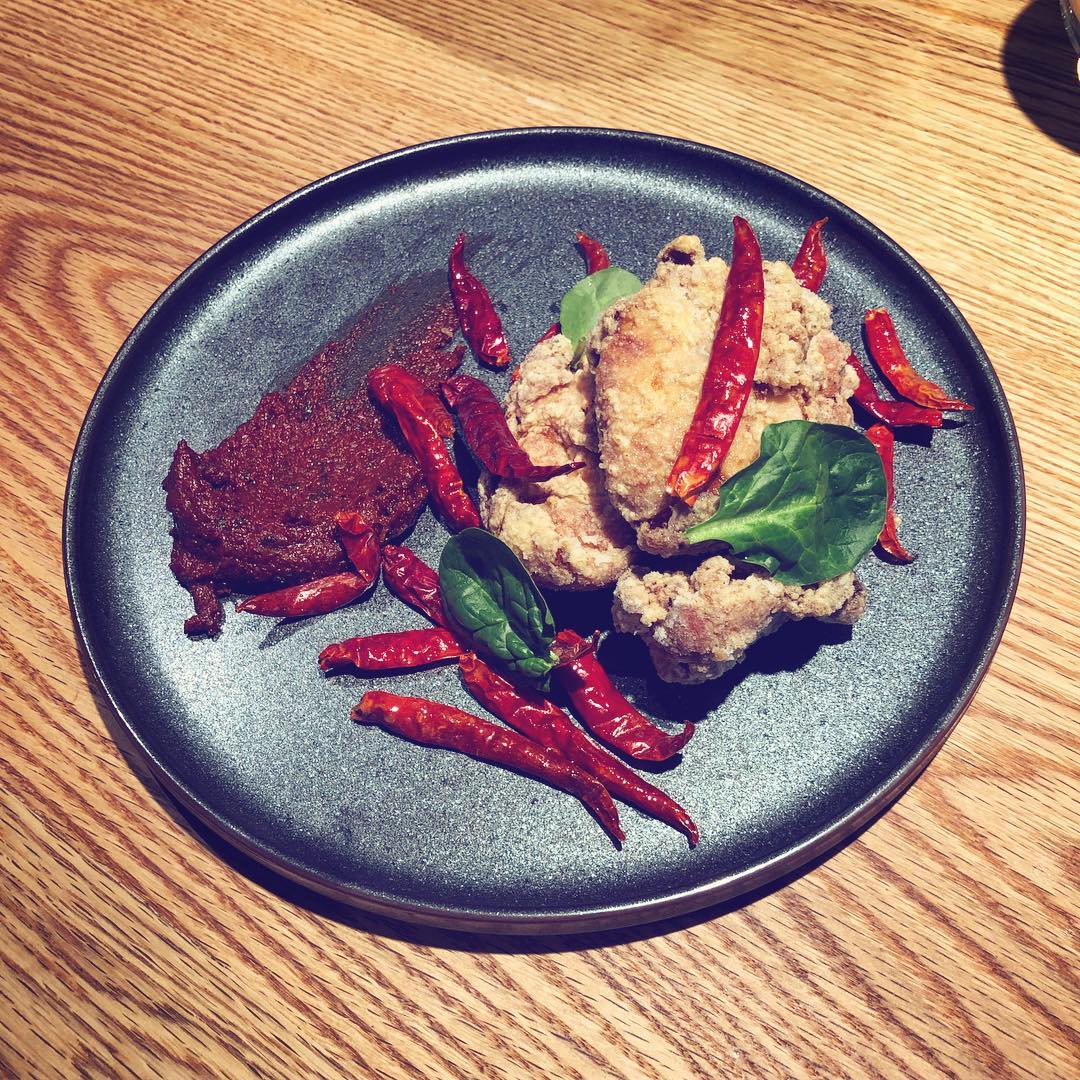
Tore no Karaage – mmmmm

There’s a kind of quiet satisfaction in a plate that doesn’t try too hard. Tore no Karaage – mmmmm sits in the center like a small warm stone—crispy chicken, pale and craggy from its coating, surrounded by dried red chilies that look like scattered embers. A few green leaves rest on top, softening the whole thing, as if the dish is taking a breath.

I keep coming back to the contrast: the crunch you expect from karaage, the slow heat implied by those peppers, and that dark smear of sauce on the side—like a shadow you can dip into when you want the bite to deepen. It feels intentional without being fussy.

Food like this has a way of pulling you into the moment. You notice the table grain, the matte black plate, the way the light hits the ridges of fried batter. The room around you goes a little quieter. The day, whatever it was, narrows down to salt, heat, and texture.

If you’re hunting for Japanese fried chicken with a spicy edge, this is the sort of dish that makes you pause between bites—not because you’re finished, but because you don’t want to rush it.
Weekend Brunch with my Favorite People

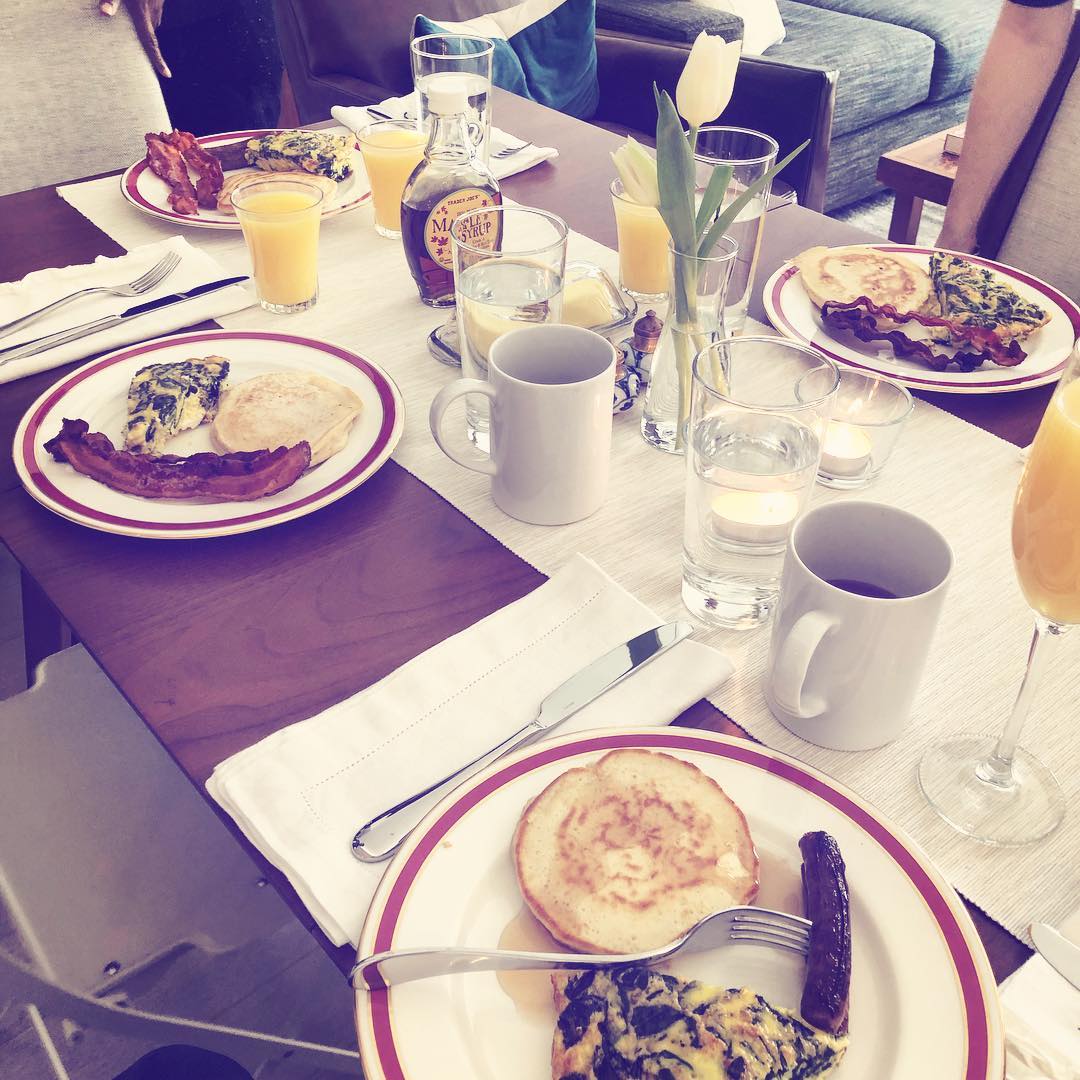
The table was already telling a story before anyone said a word—white mugs cooling into quiet, orange juice catching the light, and a small bottle of syrup standing in the middle like a patient invitation. Plates arrived with their familiar comforts: eggs, toast, bacon, the kind of breakfast that feels like it’s been waiting for you.

Weekend Brunch with my Favorite People isn’t really about the menu, even when it’s generous. It’s about how a room changes when everyone settles in. Silverware clinks, chairs shift, and the conversation starts to move—slow at first, then steady, like warmth coming back into your hands.

There’s something grounding about eating together at the soft edge of the weekend. You notice the details you’d usually rush past: the clean lines of the placemats, a tulip in a glass, the way coffee smells different when you’re not drinking it alone.

If the week can make life feel scattered, brunch gathers it back up. It reminds me that good days don’t always arrive with fireworks. Sometimes they show up as a shared table, simple breakfast, and the familiar ease of people who make the city feel smaller.

Later, the plates empty and the cups go cold, but the room keeps a little of that warmth—proof that the best part was never just what we ate.

Brunch with Bae

Some meals feel like more than food.

Brunch with Bae landed on a clean diner table like a small still life: a toasted sandwich held together with skewers, a generous pile of browned potatoes with soft peppers, and a tall iced coffee sweating down the glass. There’s cream on standby in the little metal cup, the kind that makes the moment feel slower, like the room is willing to wait with you.

I love how brunch borrows from two worlds without apologizing. It’s breakfast that learned to linger. It’s lunch that remembered how to be warm. The sandwich is crisp at the edges, a little dark where the grill kissed it, and the potatoes look like they’ve been turned over enough times to earn that kind of color.

Eating like this with someone you love is its own quiet ritual. Not dramatic, not showy. Just a shared table, small sips between bites, the familiar back-and-forth of conversation that doesn’t need to fill every silence. Outside, whatever the day is doing can keep doing it. In here, it’s enough to let the coffee melt the ice a little, let the food cool just slightly, and let time feel a bit bigger than it did an hour ago.

Julia Child’s Boeuf Bourguignon in Le Creuset Casserole

There’s something quietly reassuring about a heavy pot set in the middle of the table—its warmth rising slowly, the lid stained with the day’s work, the room gathered around it like it belongs there.

Tonight it’s Julia Child’s boeuf bourguignon, simmered down in a Le Creuset casserole until the sauce turns dark and glossy and patient. Beef that started out firm gives in; mushrooms soak up the wine; small onions sit like little moons across the surface. It’s the kind of dish that asks you to take your time, and then rewards you for it.

Around the pot, the rest of dinner feels like supporting characters: herb-tossed potatoes in a bowl, asparagus laid out neatly on a platter, a glass of red poured and waiting. The table looks lived-in—wood grain showing, plates set without fuss. Not a performance, just a meal meant to be eaten.

Boeuf bourguignon is often described as French comfort food, but that phrase doesn’t quite catch it. It’s comfort, yes, but also steadiness—something you can return to when you want the evening to slow down and feel a little more grounded.

If you’ve never made it, this is a good season to try. Let the house fill with that deep, wine-and-onion smell. Let the pot do what it does best. Then bring it to the table and eat like you’ve been waiting for it all day.

Birthday Cocktails At Pegu Club with Bae

There are nights that feel like they’ve been waiting for you—quietly, patiently—until you finally show up and sit down.

Pegu Club was that kind of place for my birthday. Warm wood, low light, the soft clink of glass, and the sense that the world outside could keep moving without us for a little while. Across the table, bae and I settled into the small ritual of celebration: a good drink, an unhurried conversation, and the comfort of being understood without needing to explain everything.

My cocktail arrived in a coupe glass, dark and jewel-toned, with cherries resting like little secrets at the bottom. A candle flickered nearby, turning the tabletop into something cinematic—half shadow, half glow. There was water within reach, too, as if to remind me to stay grounded while the night drifted upward.

Birthdays can be loud, or they can be simple. This one felt simple in the best way: a pause, a small pocket of time where I could notice details—the condensation on glass, the soft haze of bar light, the way a familiar person makes an unfamiliar room feel like home.

I left grateful, a little calmer than when I arrived, carrying that gentle kind of brightness that doesn’t demand attention but lingers anyway.

Golden Christmas Tree

A golden Christmas tree doesn’t have to be a full evergreen in the corner, shedding needles and taking up space. Sometimes it’s a simple frame of metal, light catching on its edges, holding a few ornaments like small moons.

This one sits on a windowsill between potted plants, steady and quiet. Outside, the city looks washed in winter—gray buildings softened by a pale sky. Inside, the gold and white ornaments hang in clean lines, reflective enough to borrow a little of everything around them: window light, terracotta pots, the muted room.

I like decorations that feel settled rather than loud—things that don’t try to outshine the season, just keep it close. This kind of tree is more suggestion than spectacle. It leaves room for the everyday: leaves leaning toward the glass, a sill that collects dust, the slow shift of afternoon light.

If you’re looking for a Christmas setup that fits a small space, or just a calmer mood, a minimalist tree like this can be enough. A handful of ornaments. A bit of shine. A pause in the middle of winter that feels warm without needing to say much.

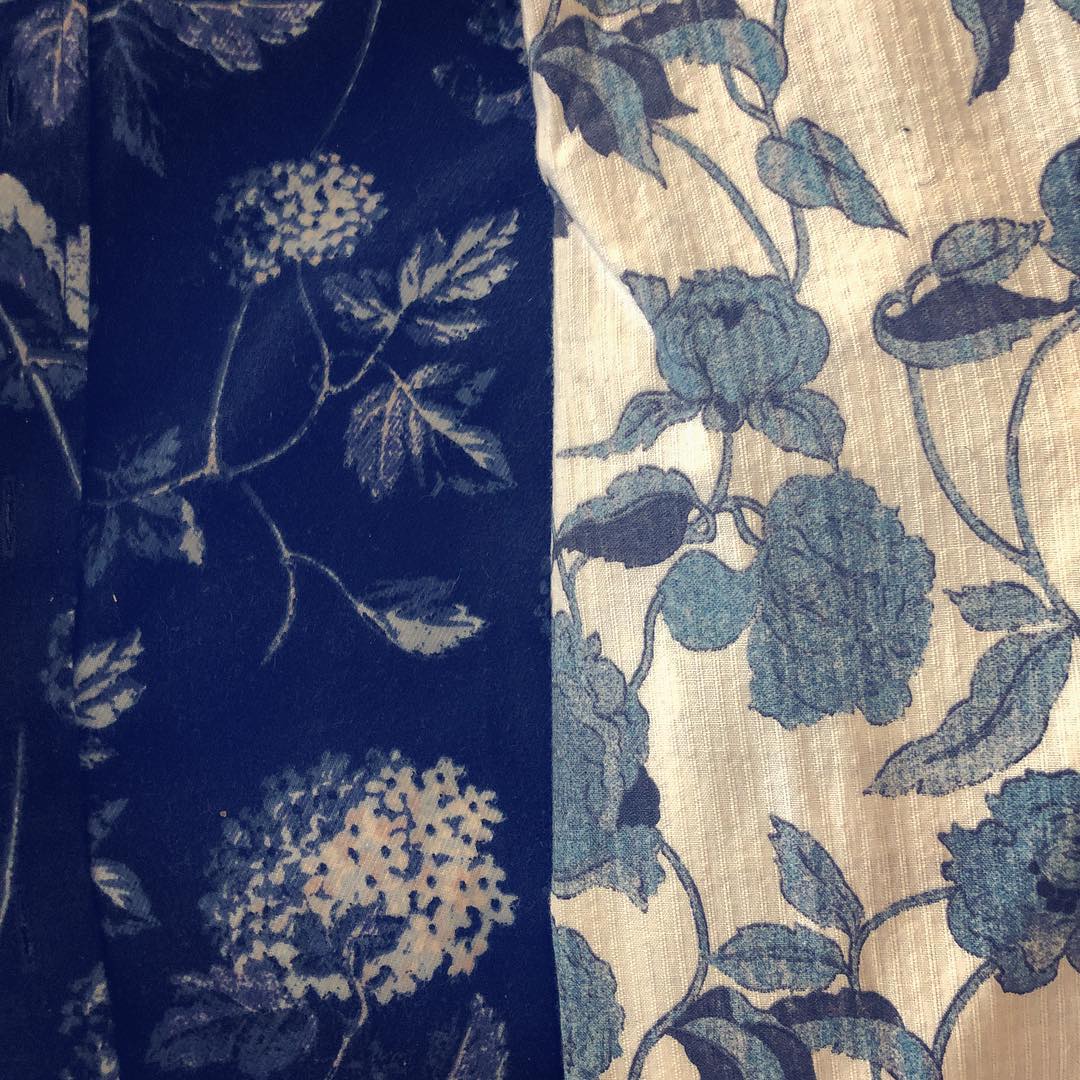
Clubbing patterns 2 years apart

Two years is a small distance on a calendar and a long distance in a closet.

This image is simple on the surface—two swatches side by side, blue on blue, flowers repeating like a familiar song. On the left, the darker cloth feels like late night: saturated, shadowed, a print that disappears until it catches the light. On the right, the lighter fabric reads like morning: the same idea, more breathable, the flowers outlined as if they’re willing to be seen.

Clubbing patterns 2 years apart sounds like a joke you tell yourself while getting dressed, but it’s also a record. We don’t always remember what we wore; we remember the feeling of it. The way a shirt sits on your shoulders when the street is cold. The small confidence of a pattern that does the talking when you don’t want to.

Looking at these two florals, I think about repetition and drift—how you circle back to the same motifs, just in a different key. Nothing here is revolutionary. It’s just a quiet evolution: from heavier to lighter, from hidden to open.

Maybe that’s all style is, most days. Not a reinvention. Just paying attention, choosing again, and letting time leave its soft imprint in the weave.

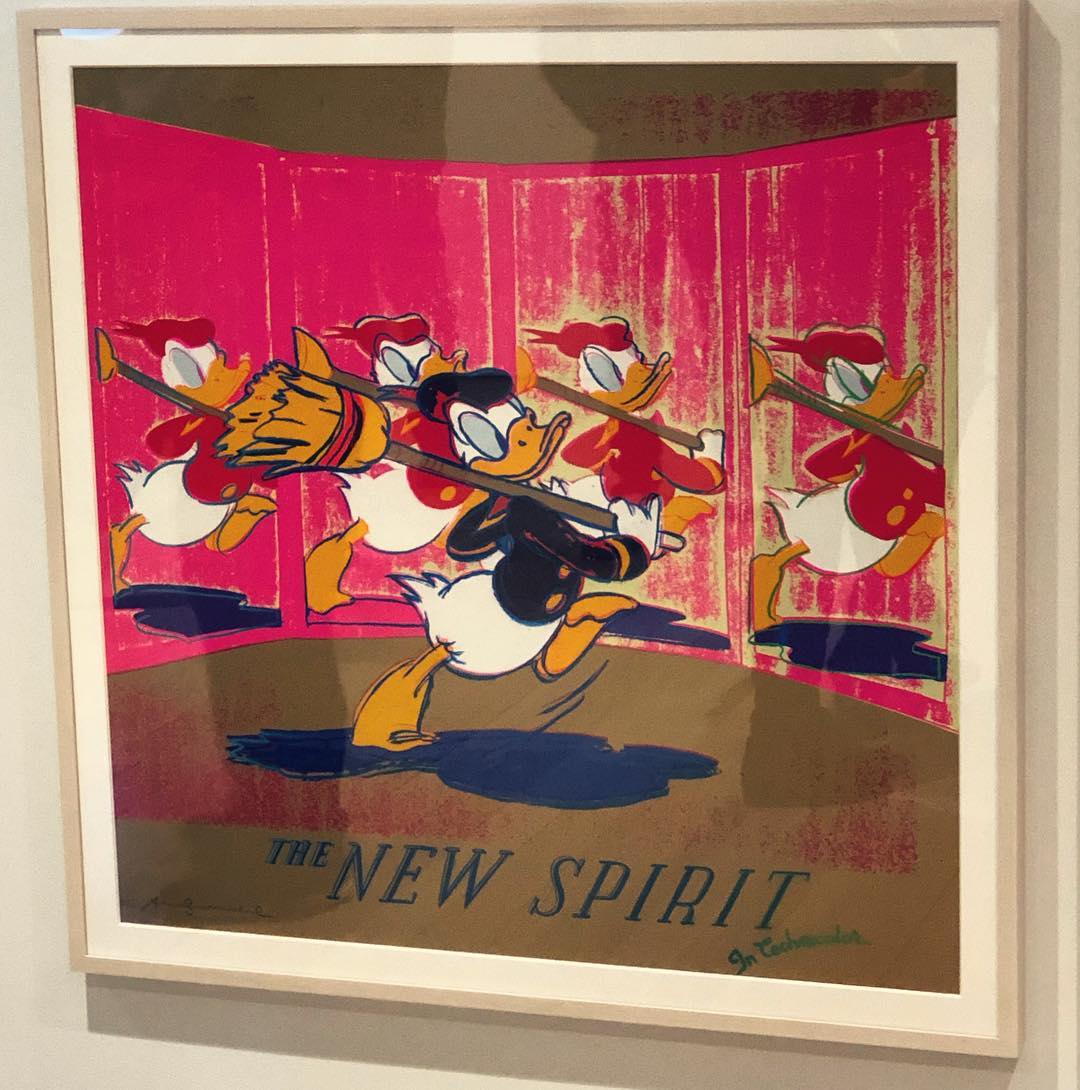
A Ducky Warhol weekend with friends

It’s the kind of weekend that feels loud in the best way—friends, city air, and an artwork that seems to wink back at you.

We found ourselves in front of a Donald Duck piece that carries that unmistakable Warhol electricity: repeated figures, bright fields of pink, and that clean pop of line and color that turns something familiar into something strangely new. Donald looks mid-stride, caught in a loop of motion, like the city itself—always rushing, always replaying the same corners with different light.

Standing there with friends, it didn’t feel like “seeing art” so much as sharing a small pause. The frame, the gallery quiet, the soft shuffle of people passing behind you—those details start to stitch themselves into the memory as much as the print does.

New York can be sharp-edged, but weekends like this soften it. You walk in from the street, take in a bold, cartoon-glam image, and step back out feeling a little reset—like the ordinary world has been turned up in saturation. It’s funny how a familiar character can pull you into a stranger mood, and how that mood can linger long after you’ve left the room.

A Ducky Warhol weekend with friends, filed away with the other small bright scenes worth keeping.

Mountain In the Sky

From the airplane window, the world becomes simple again: a wide blue sky, a soft layer of cloud, and a single mountain rising through it all like it has been waiting there the whole time.

There’s something quietly comforting about seeing Mount Rainier from above the cloud line. The land below turns into a patchwork of dark water and distant shoreline, half-hidden, as if the earth is keeping its own secrets. Up here, the noise feels far away. Even the clouds look less like weather and more like a landscape—slow, bright hills you could almost imagine walking across.

I always forget how travel can make familiar places feel new. One moment you’re moving through routines and roads, and the next you’re looking down at them, reduced to shapes and shadows. The mountain doesn’t change, but you do. You notice how steady it is, how it holds its place without asking for attention.

Maybe that’s why this view sticks: it feels like a small reminder that there are still quiet, unmoving things in the middle of all our motion. A mountain in the sky, keeping watch over Seattle, while the clouds drift on like thoughts that never quite settle.

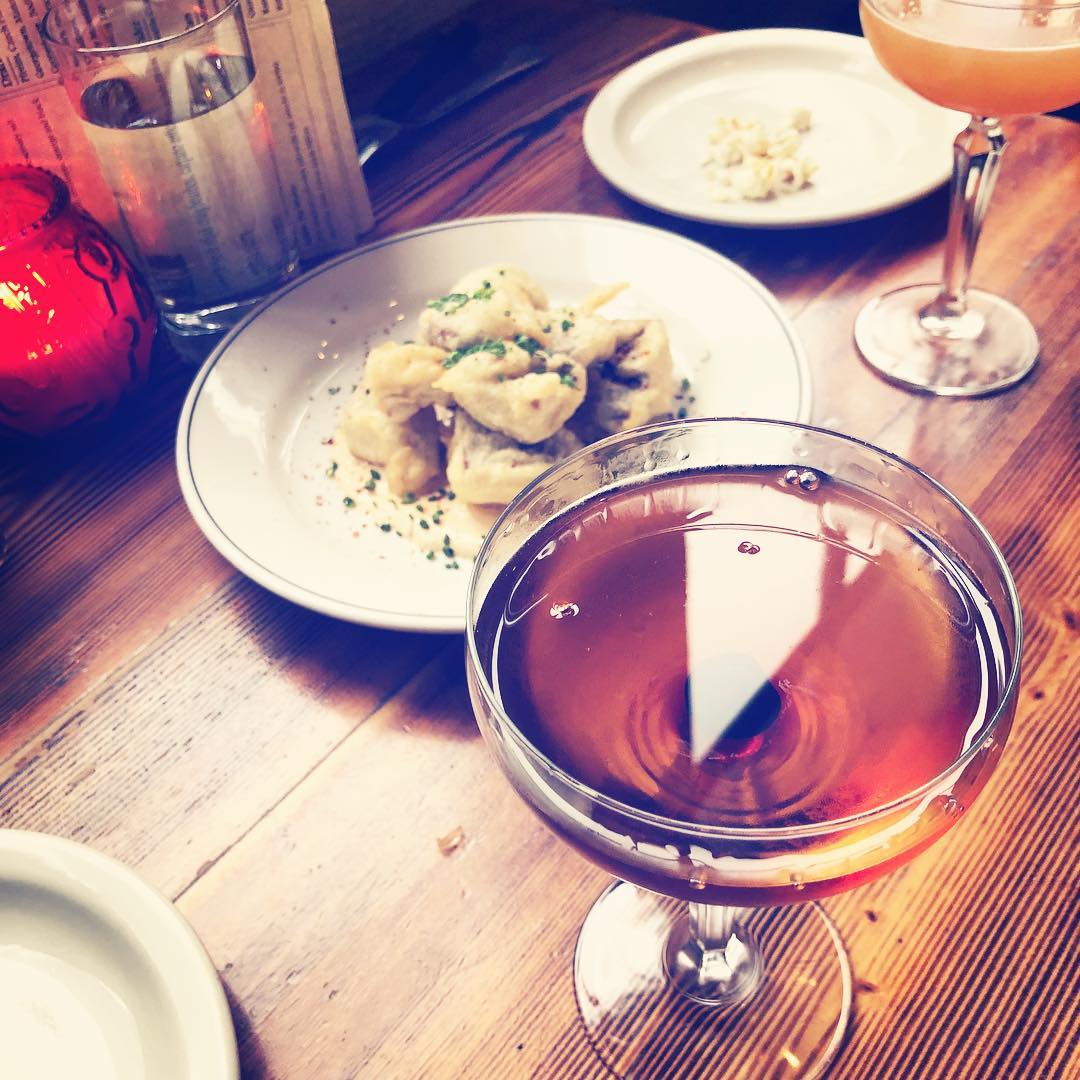
Cocktails with Friends

A wooden table has its own kind of memory. It holds the rings from cold glasses and the quiet scuffs of a night that didn’t ask for anything more than good company.

We met for cocktails and small plates, the sort of evening that feels simple while you’re living it and strangely golden when you look back. Two coupe glasses caught the light—one dark and steady, one pale and bright—like a small conversation in color. In the middle, a plate of dumplings arrived warm and soft, scattered with herbs, the kind of food that disappears while you’re still talking.

There’s something comforting about sharing a table with friends in Seattle, where the air outside can be sharp and the streets can feel busy, but inside a bar the world narrows to clinking glass, a candle glow, and whatever story someone is in the middle of telling.

I like nights like this because they don’t try to be big. They don’t need an occasion. They’re just a pause—sweet, a little bitter, and finished too soon. When we finally stood to leave, the table looked almost unchanged, except for the empty space where the plates had been and that lingering feeling that the city, for a moment, had been softer.

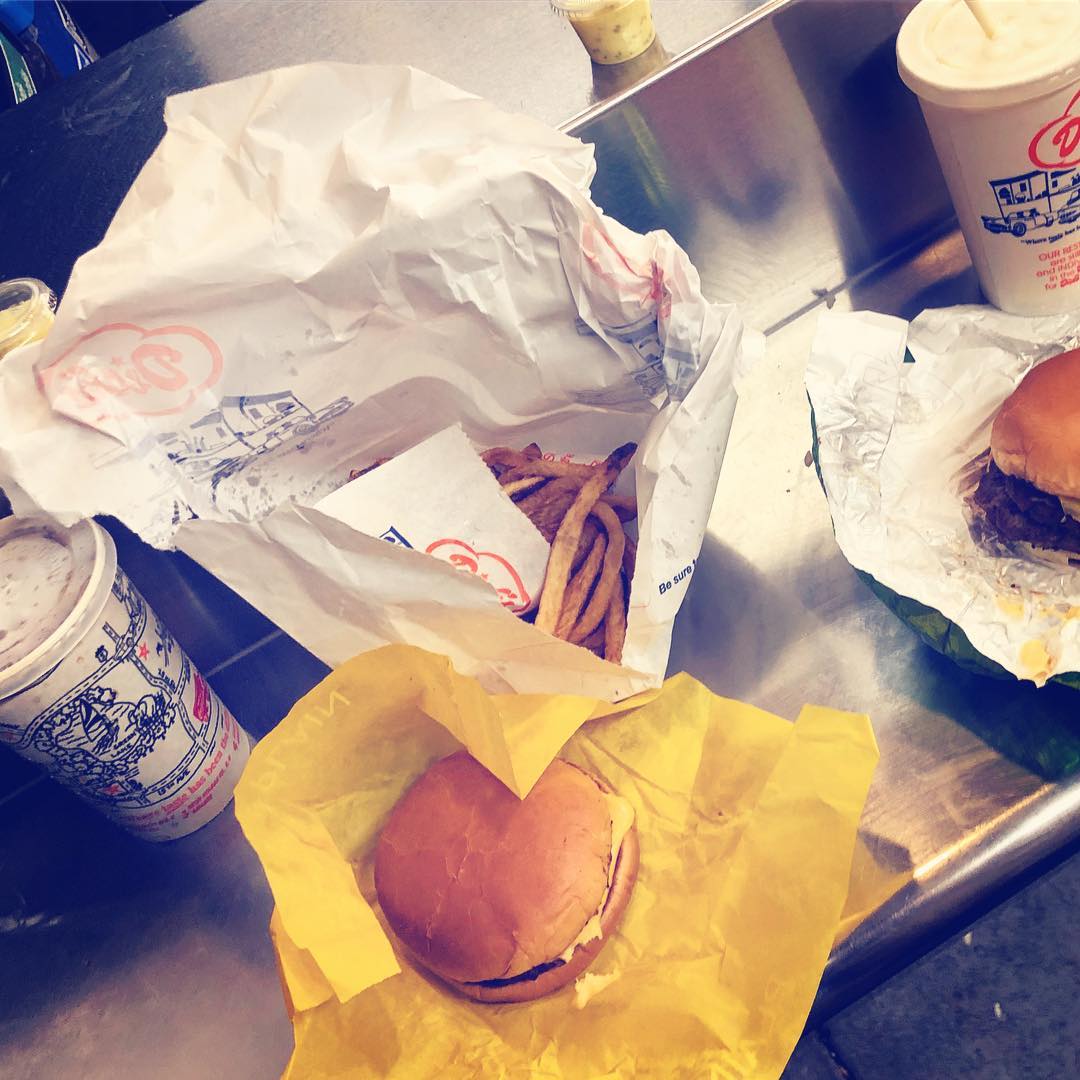
Burgers with the People

There’s something comforting about a counter scattered with wrappers and cups—proof that people were here, hungry, laughing, passing things hand to hand.

Today’s scene is simple: burgers in soft buns, fries spilling out like they couldn’t wait to be noticed, and milkshakes sweating in plastic cups. Nothing styled. Nothing precious. Just the small, ordinary mess that comes from eating together.

I like how places like this feel lived alongside you, the way an old house does. You sit down for something quick and end up staying longer than planned. The table collects evidence—salt, napkins, a smear of ketchup—little marks of the moment. It’s mundane, and that’s the point.

“Burgers with the People” sounds like a joke and a mission at the same time. The best meals aren’t the ones that demand silence; they’re the ones that make room for everyone, for stories that overlap, for the easy decision to order one more thing because someone else is.

Maybe that’s why this kind of food holds its own kind of nostalgia. It’s not trying to be anything other than what it is: warm, filling, shared. And when you walk away, you carry it with you—grease on your fingers, sweetness on your tongue, and a quiet sense that the day got a little brighter at the table.

Great Hiking Weekend

There are weekends that feel like a small reset—quiet enough to hear your own thoughts again, steady enough to remind you where your body fits in the world.

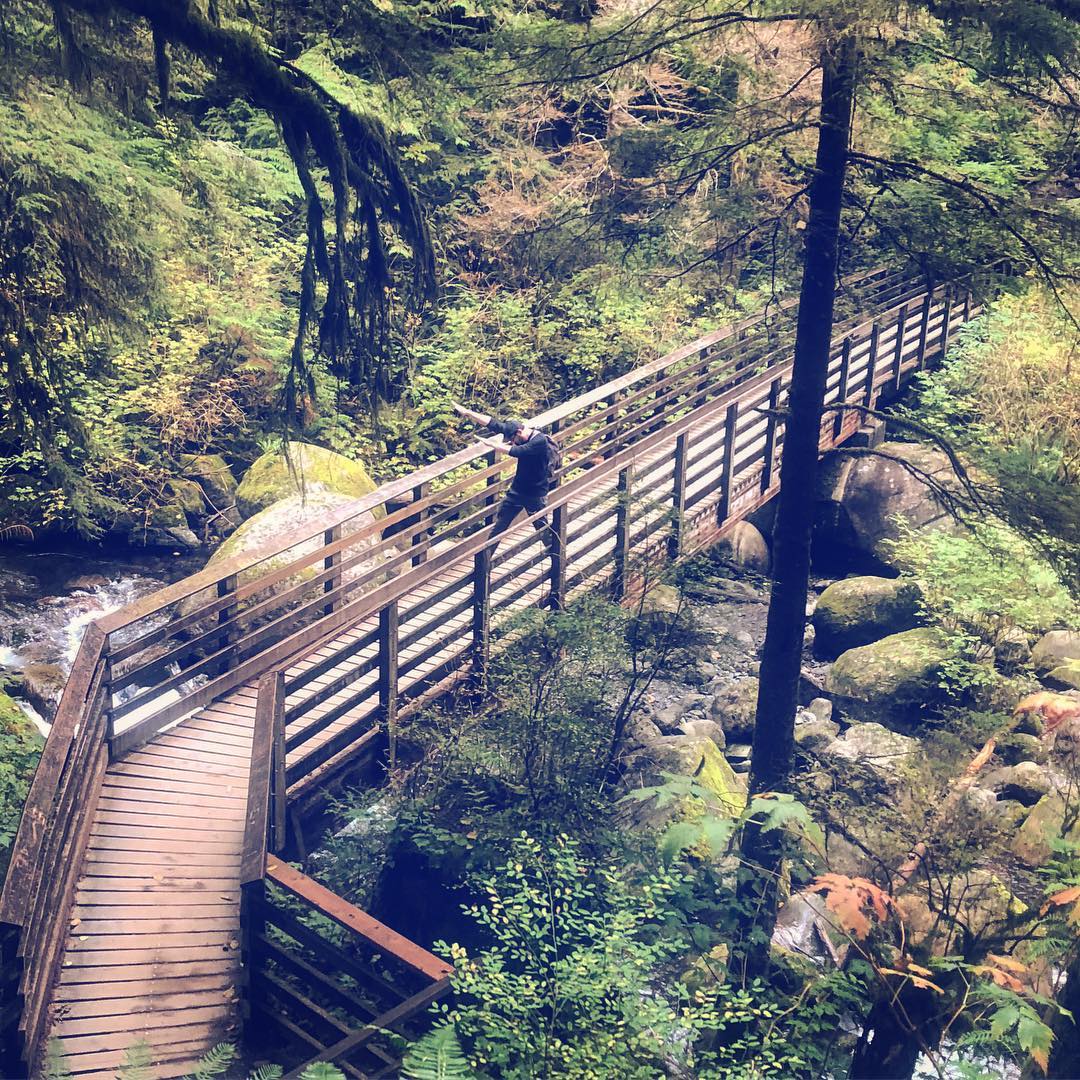
This was one of those. A wooden footbridge cuts across a rushing creek, tucked into thick green woods. The boards look worn in the comforting way that says people have been coming here for a long time, crossing over and back, letting the water do what it does below. Mossy boulders sit like old punctuation marks along the bank, and the trees hang over everything, making the whole place feel private, almost kept.

Somewhere in the middle of the bridge you stop without deciding to. You lean on the railing, look down, and it’s simple—water moving fast, air smelling like wet leaves, the day asking nothing from you except to be in it.

Great Hiking Weekend didn’t need a big destination or a dramatic view. It had that slow accumulation of small details: the soft light under the canopy, the steady rhythm of steps, the brief stillness when you realize you’ve been holding your breath in everyday life.

By the time you turn back, you’re not exactly new—but you’re clearer, like something inside you got rinsed out and set back in place.

Exit mobile version