Spring has Sprung in Brooklyn

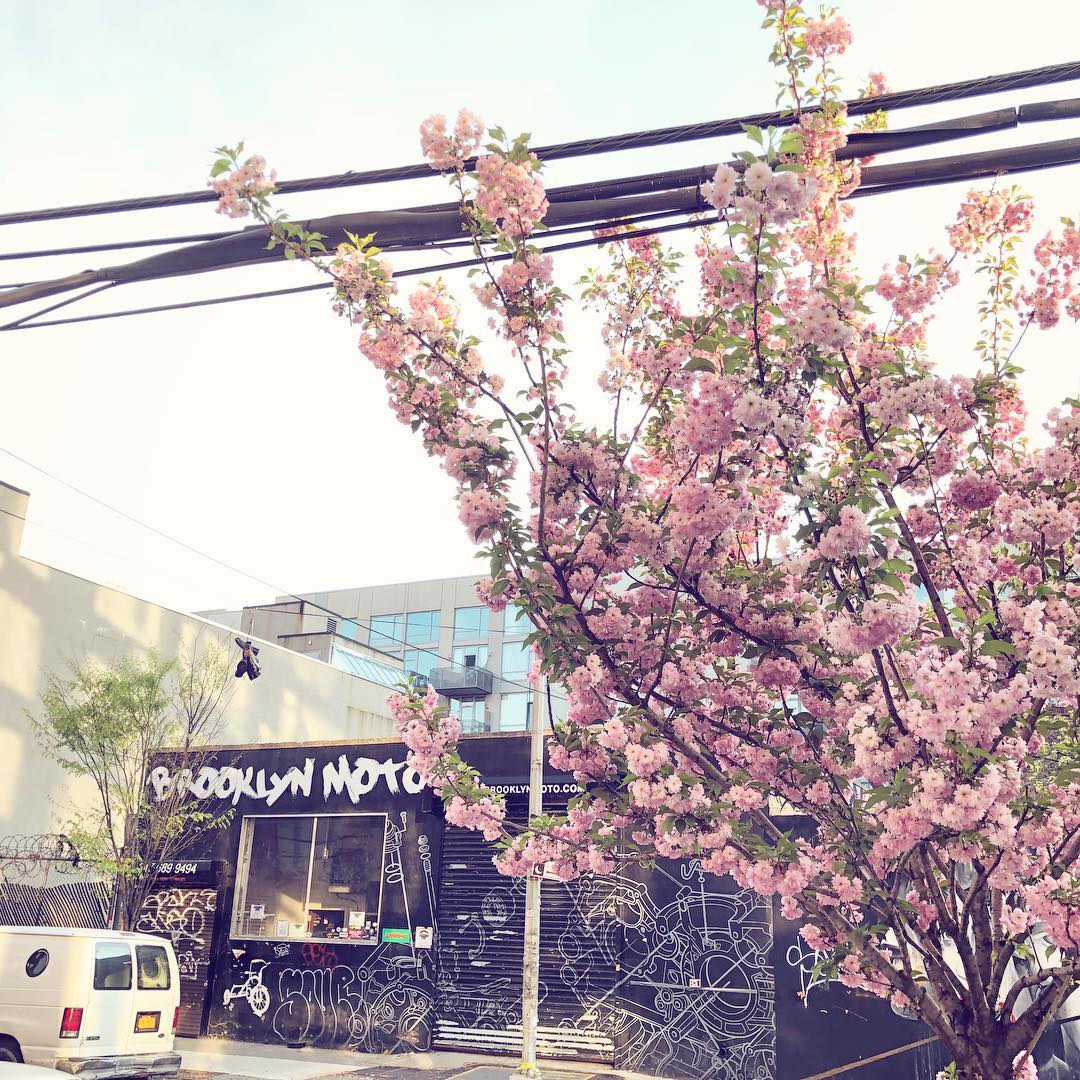
Spring has sprung in Brooklyn, and it arrives the way it always does here: not with a grand announcement, but with a soft insistence.

A tree bursting with pink blossoms leans into the street, as if it’s trying to cover up the winter leftovers—metal shutters, scuffed paint, and the dark tangle of wires stretched tight across the pale sky. For a few days the neighborhood looks gentler than it really is. The hard edges don’t disappear; they just get revised by petals and light.

I like how the city holds two worlds at once. There’s the hum of engines, the quick errands, the practiced way we step around each other. And then there’s this brief, quiet miracle: a corner in Williamsburg where you can stop mid-step and feel something open up. A small permission to notice.

The blossoms won’t last. They’ll fade, drop, and become part of the sidewalk story like everything else—ground into a pinkish memory by sneakers and rain. But right now they’re here, bright against the black wall, turning an ordinary block into a place you want to keep.

If you blink, you miss it. If you don’t, spring leaves proof.
Spring Dyson Photo Bomb

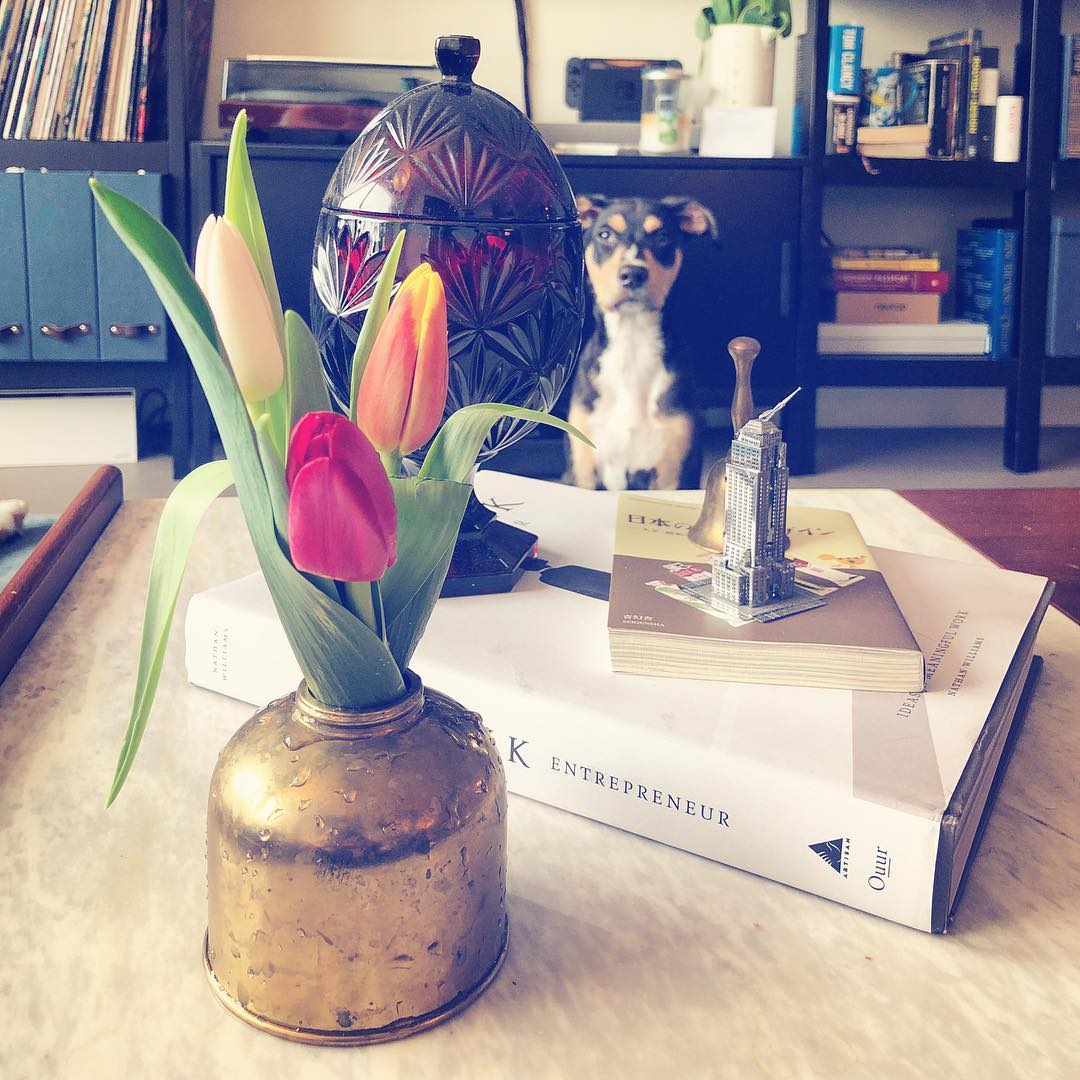
Tulips on the table feel like a small announcement that the year is turning again—red, yellow, and pale like a quiet sunrise caught in glass. The room is ordinary in the best way: books stacked and lived-in, a few objects left where hands last put them, the kind of stillness that settles when the day is moving but you are not.

And then there’s Dyson.

He sits back in the soft blur of the background, perfectly placed, as if he’s been waiting for the camera to prove what he already knows: spring belongs to him, too. Not in a grand way. Just in that simple, watchful way dogs have—present, patient, slightly suspicious of any attention not directed their way.

The tulips try to be the whole story, all color and posture. But Dyson turns it into something warmer. The photo becomes less about flowers and more about the life around them: the quiet clutter, the half-finished thoughts on the table, the sense that a home is made from small repetitions.

Outside, seasons change like they always have. Inside, a dog photobombs the moment and somehow makes it feel kept—like a page you’d want to return to when the air goes cold again.

Pillow overload

Pillow overload.

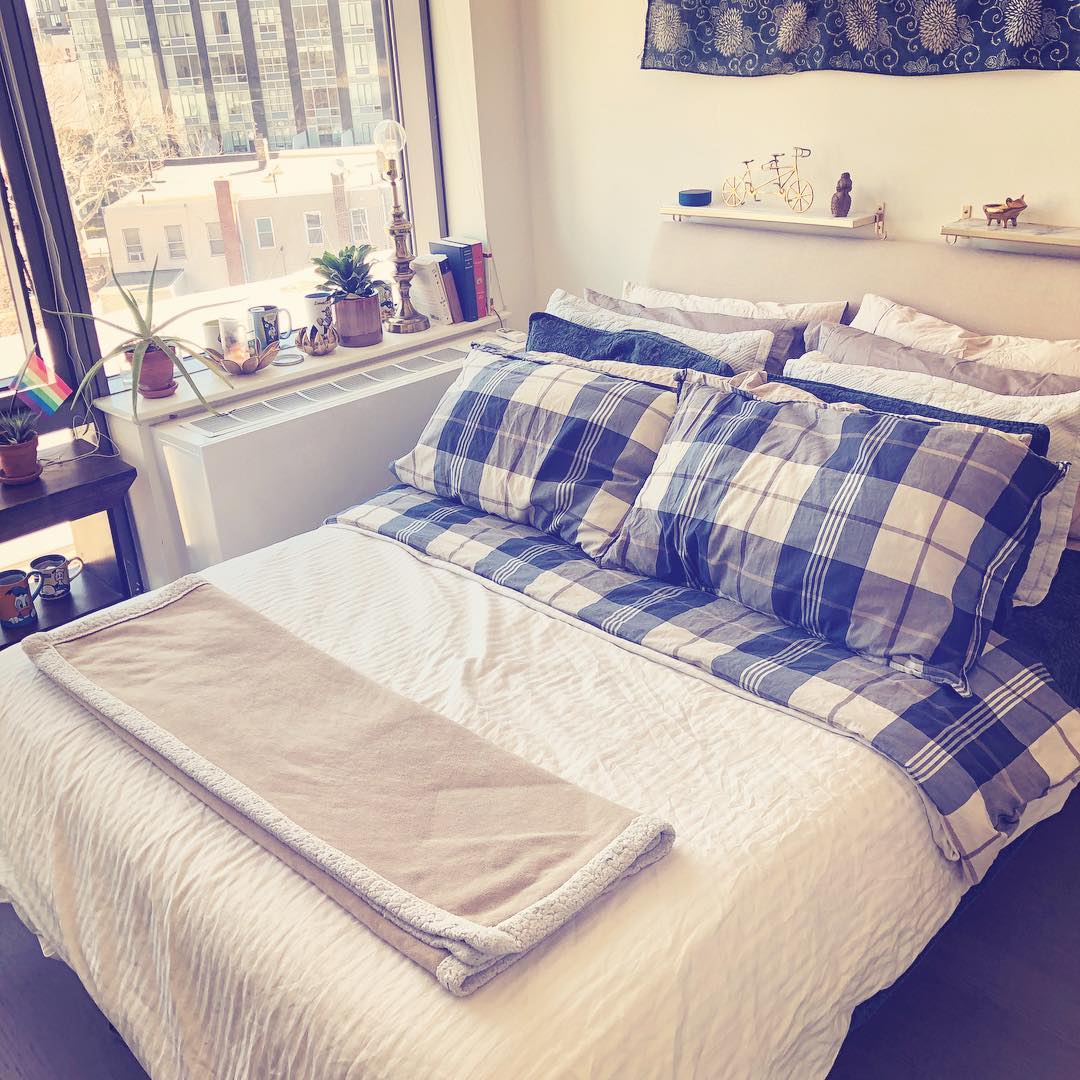
There’s something oddly comforting about a bed that looks like it’s been lived with, not staged. A soft pile of pillows, the kind that holds the shape of last night’s thoughts, sits under a bright window while the city keeps moving outside.

Morning light turns the room gentler. It lands on the plaid cases, the folded blanket at the foot of the bed, the small plants lined up by the glass like quiet witnesses. The shelves above feel personal in that understated way—little objects that don’t shout for attention, but still carry stories.

I keep thinking about how a space can be both ordinary and a little mysterious at the same time. A bedroom isn’t just where you sleep; it’s where the day starts to make sense, where you come back to yourself. The extra pillows aren’t really extra, not if they make the room feel settled—softened at the edges, ready to catch you.

Maybe that’s the point of a home: not perfection, but a calm that builds slowly. A place that holds warmth in the fabrics, light in the corners, and the quiet proof that you were here.

February Snow

The city always sounds different when it snows.

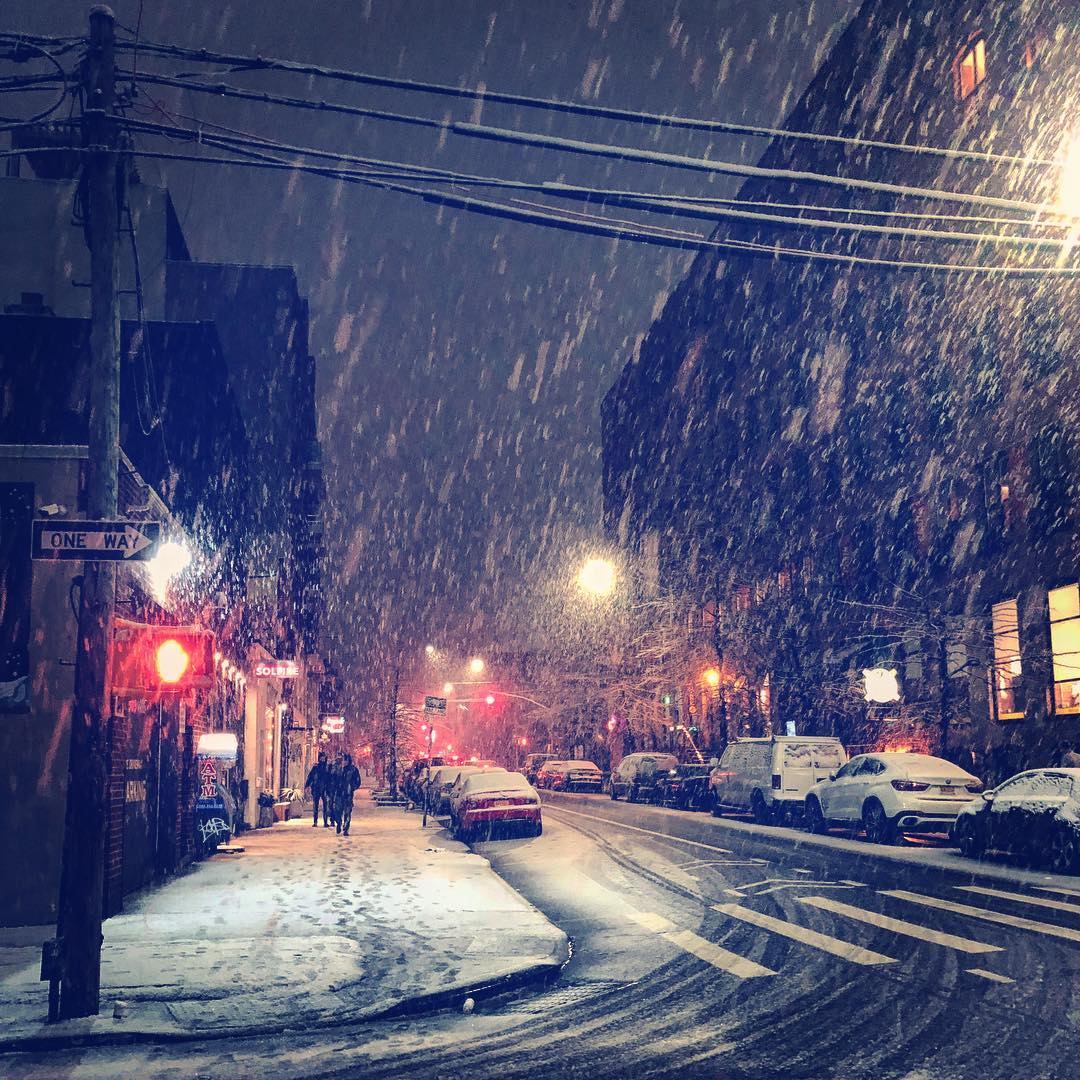
Tonight the flakes come down heavy and slanted, turning the street into a softer version of itself. Headlights smear into warm halos. The pavement shines black where tires have pressed the wet down, and the edges of the sidewalk gather a thin, patient white. Parked cars sit with their shoulders hunched under fresh snow, as if they’ve decided to stay put and listen.

I stood for a moment under the wires and streetlights and watched the storm do its quiet work. It doesn’t erase the neighborhood so much as it edits it—muting the hard lines, lowering the volume, making room for a small kind of wonder.

Even in Brooklyn, even with the traffic and the late-night glow from apartment windows, winter can feel private. The snow falls between buildings like it belongs there, like it has always been part of the architecture. It reminds me how a place can be loud all day and still hold something hushed at night.

February Snow, and the street keeps going on ahead, bright in the distance, disappearing into the weather.

Morning Light waiting for Angel

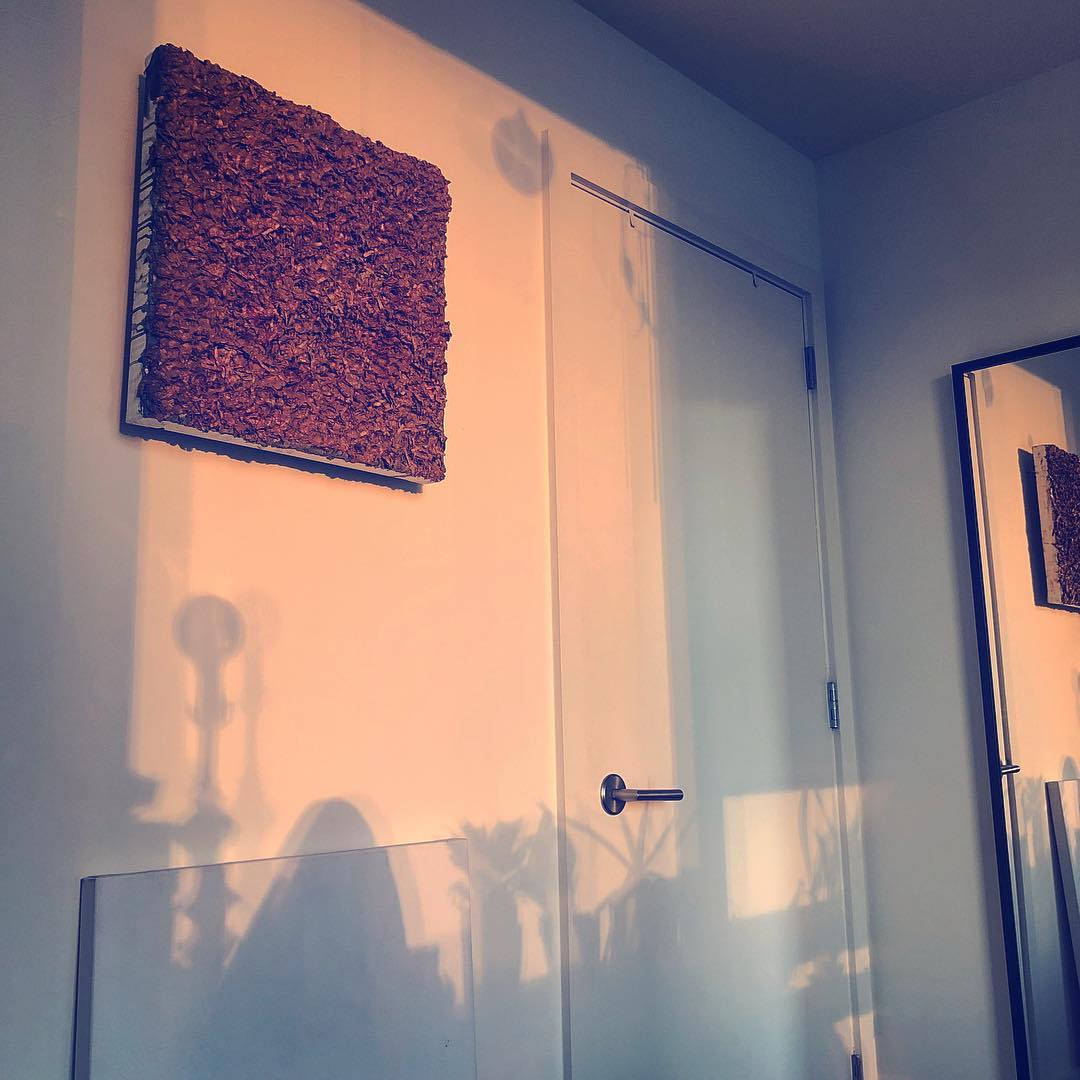
Morning light has a way of making a room feel lived in, even when nothing is moving. It slides across the paint and finds every edge: the door seam, the metal handle, the frame of a mirror, the small imperfections that prove the place isn’t a rendering but a home.

In this kind of light, shadows become their own furniture. They stretch and soften, turning ordinary objects into silhouettes that look like memory more than matter. The wall holds it all patiently, like stone holding heat in winter—steady, quiet, almost listening.

I keep thinking about the title, “Morning Light waiting for Angel,” and how waiting can be gentle when the day is new. Not anxious or loud. Just a pause where the room feels larger than it did a moment ago, brighter and bigger, as if it’s making space for someone to arrive.

Maybe Angel is a person. Maybe it’s a feeling. Maybe it’s just the name we give to that brief, reliable miracle when sunlight touches the mundane and turns it into something worth noticing.

Whatever it is, the light waits without asking for anything back. It simply shows up, settles in, and lets the house breathe.

Artic Birds Nest

There’s something quietly theatrical about a dessert that arrives already mid-story, as if it’s been waiting for you to notice it.

Artic Birds Nest did that. In the center of a wide, speckled bowl, the “nest” sits in a dark pool like thawed earth—delicate strands gathered and held together with intention. On top, two pale scoops soften at the edges, the kind of cold that doesn’t bite so much as hush the room. Around it: scattered crumbs, bright little bits that read like berries, and a few blueberries tucked in like small, dusk-colored stones.

It’s plated like a landscape seen from above, winter giving way to something edible and new. The textures do most of the talking—crisp against creamy, tart against sweet—while the bowl’s generous negative space makes the center feel even more intimate, like a secret kept in plain sight.

This is the kind of Michelin-star moment New York does well: restrained, a little moody, and somehow comforting. Not in the way of a warm cookie, but in the way a familiar place feels when you return after time away—changed, yet still itself.

If you’re the type who loves dessert that looks like art but eats like a memory, this one lingers.

Where’s Angel, in a Bookstore

There are bookstores that feel like places you visit, and bookstores that feel like places that have been waiting for you.

In Williamsburg, under those round, hanging lights, the shelves rise up like small city blocks—memoir beside travel writing, new nonfiction leaning into poetry—each spine quietly doing its work. The room is bright in that gentle way that makes you slow down without noticing you’ve slowed.

Where’s Angel, in a Bookstore is a simple question, but it carries a whole evening inside it. Angel could be anywhere in here: tucked into an aisle, tracing titles with a fingertip, pausing at a table of staff picks, reading a first page as if it’s a doorway.

I like imagining that—someone you care about disappearing into a place like this, not lost, just absorbed. There’s a comfort to it. Among the ordinary movements—coats shrugged off, phones checked, books stacked and restacked—there’s that faint, growing feeling that the mundane is quietly mysterious.

Maybe that’s all the “where” you need. Not a pinpoint on a map, but a room full of sentences, light pooling overhead, and the sense that if you wait long enough, you’ll look up and find each other at the same shelf.

Donburi & Tea Sunday

Sunday has a way of softening the edges of the week. The city keeps moving, but the pace changes if you let it—quieter streets, longer pauses, the feeling that you can hear your own thoughts between sips.

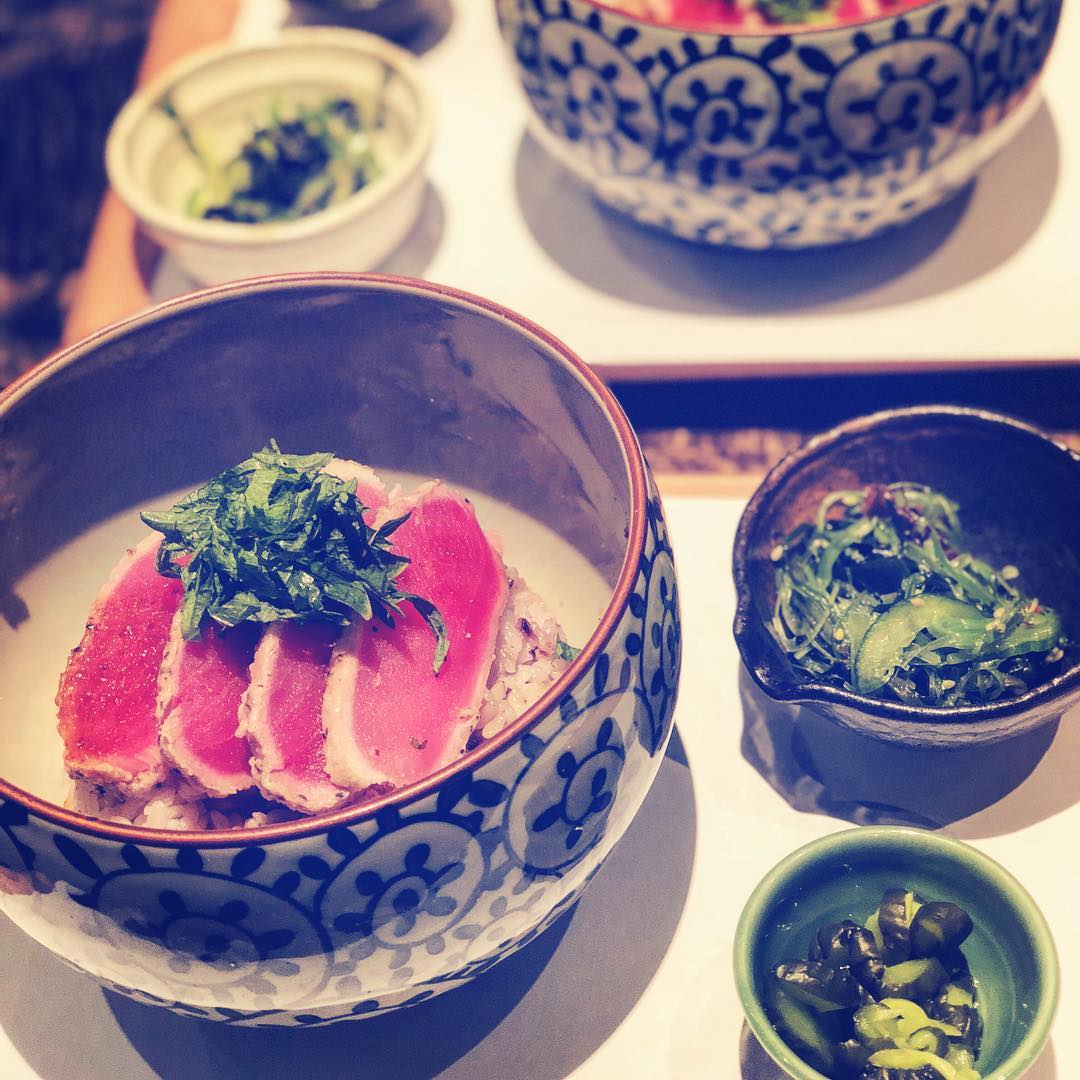
Donburi & Tea Sunday felt like that: a small tray set down with the certainty of routine. A patterned bowl filled with rice and slices of seared tuna, topped with a scatter of greens. Little side dishes gathered around it like punctuation—something briny, something sharp, something that wakes up your mouth and then fades.

The tea came alongside, steady and warm, the kind that doesn’t ask for attention but keeps you grounded. In a place like New York, it’s easy to treat meals as checkpoints—fuel between one errand and the next. But this was different. It made room for stillness.

I keep thinking about how certain foods carry their own weather. This lunch had that clean winter feeling: simple, bright, and a little austere in the best way. Nothing overworked. Nothing trying too hard. Just flavors arranged carefully, like a quiet room where you can finally notice the sound of your own breathing.

Maybe that’s what I wanted from the day—not a grand plan, just a small table, a warm cup, and something beautiful enough to slow time down for a moment.

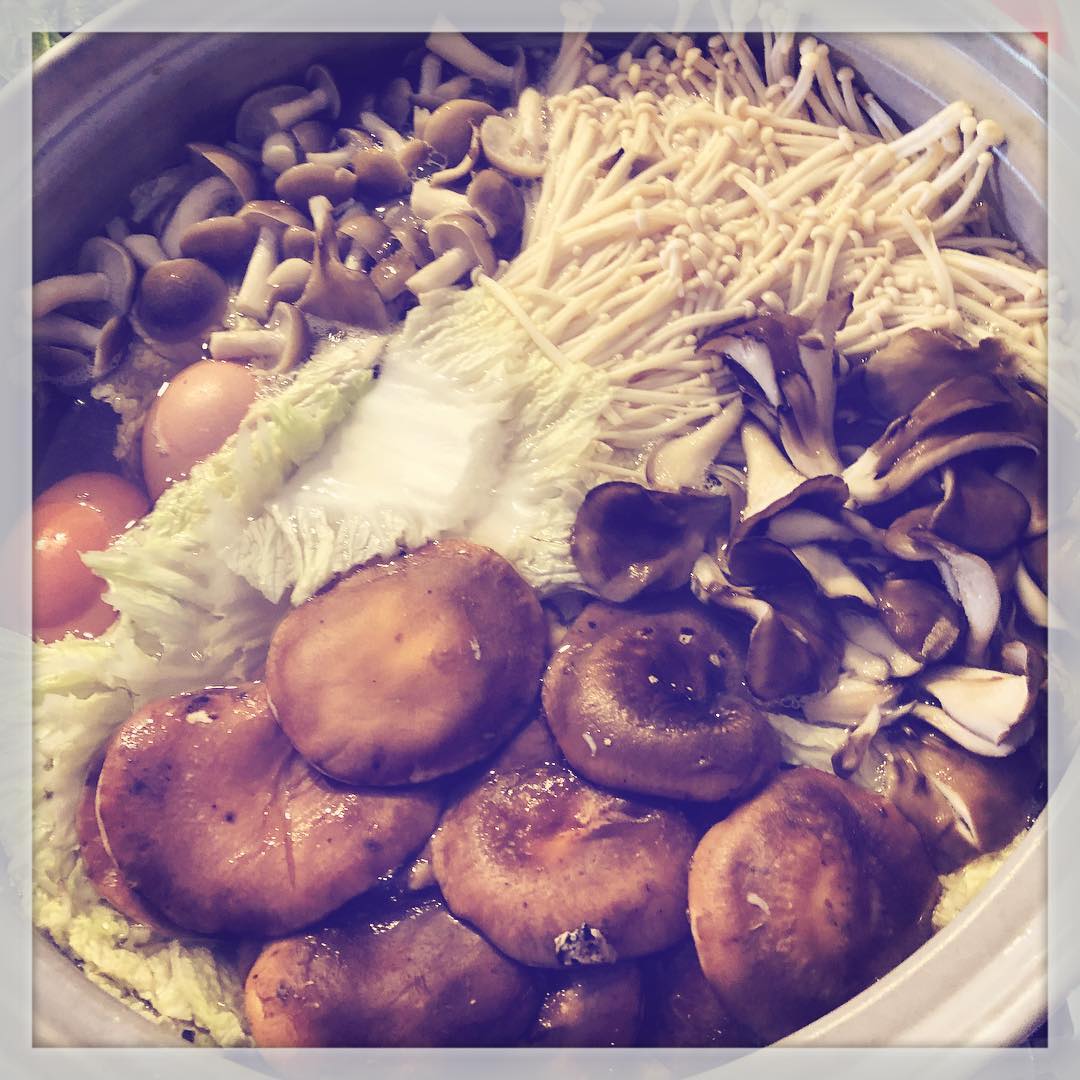
Needed to Make Mushroom Hotpot

There’s something quietly reassuring about a pot set in the middle of the table, steam rising like a small weather system you can warm your hands over. “Needed to Make Mushroom Hotpot” sounds almost like a note left to yourself—simple, practical, and a little hopeful.

In this bowl, the mushrooms do most of the talking. Enoki spill out in pale threads, shimeji cluster like small pebbles, and thicker caps sit heavy and earthy at the surface. Cabbage softens at the edges, turning silky as it drinks in the broth. Everything looks arranged the way winter meals often are: not fussy, just intentionally gathered.

To make a mushroom hotpot, start with a gentle base—dashi if you have it, or a light stock. Add a little soy sauce, a touch of mirin, maybe a small spoon of miso if you want the broth to feel deeper and more settled. Then layer in cabbage and mushrooms first, letting them sink and relax. Add whatever else you like once the broth tastes like itself.

The best part is how the pot changes as you eat: the mushrooms shrink, the broth darkens, and the whole thing becomes more concentrated—like a memory becoming clearer the longer you sit with it.

Into the Unknown

There’s something about standing beneath a satellite dish that makes the room feel bigger than it is. The ceiling disappears into black, punctured by bright museum lights, and the hardware hangs there like a paused sentence—part engineering, part daydream.

The dish’s clean curve points outward, as if it’s listening. Not just to space, but to the quiet between things: the static we usually ignore, the distance we can’t measure, the unknown we pretend is far away. Up close, it’s all struts and seams and careful angles—ordinary materials arranged into a kind of longing.

In Washington, DC, surrounded by exhibits and polished floors, I kept thinking about how the most enormous journeys begin in places like this: indoors, under lights, with a model you can walk around. We build these objects so we can imagine beyond ourselves. We send metal and gold foil into dark silence and call it exploration, but it’s also a way of admitting we’re curious—restless, even.

“Into the Unknown” sounds like a slogan until you’re standing under the dish and feel the scale of what it suggests. The unknown isn’t only out there. It’s in the way we look up, in the urge to travel without moving, in the small human hope that something is listening back.

And for a moment, the room hums with that possibility.

On the Hill

On the Hill, the city feels like it’s holding its breath.

From this angle the Capitol sits back in the distance, bright and rounded against a pale winter sky, while the foreground is all ironwork and glass—an ornate lamppost with milky globes, detailed and weathered in that patient way old fixtures get. The trees look bare but not bleak, their branches sketching thin lines over lawns and sidewalks where people move through the frame like quiet punctuation.

I like scenes like this because they show two worlds pressing up against each other. There’s the clean, official geometry of government buildings, and then there’s the everyday motion: footsteps on the paths, traffic humming beyond the grass, the simple business of crossing a street. You can stand still and listen and feel that overlap—history and routine, ceremony and errands.

Even without snow, it has that winter clarity: air that seems sharper, light that looks freshly rinsed. The hill makes you aware of distance, how far a place can be while still feeling close enough to reach in a long walk. And maybe that’s the best part—this reminder that the monumental is made of the same hours as the ordinary, and both are passing at the same steady pace.

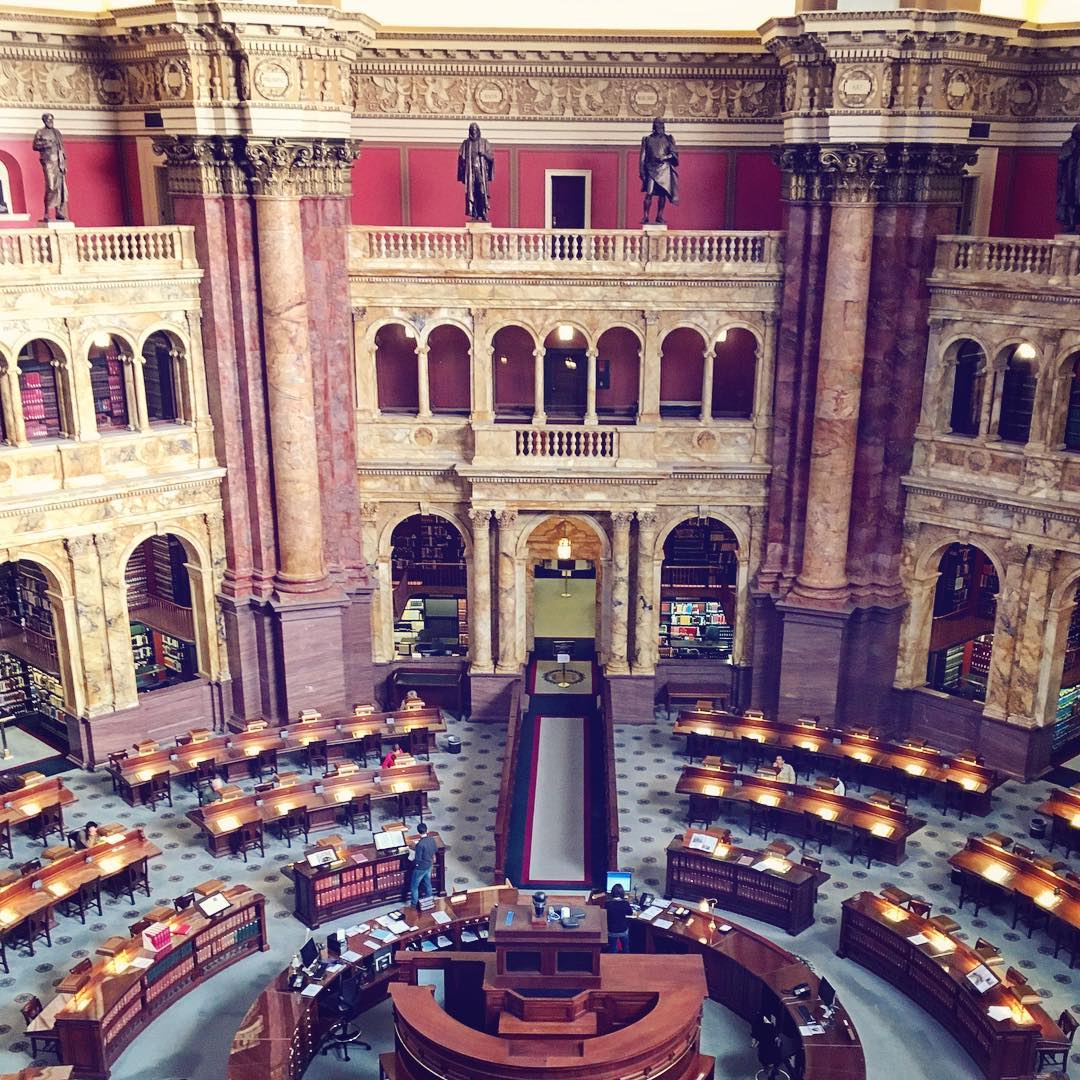
Library of Congress Main Reading Room

The Library of Congress Main Reading Room feels like a place that has been listening for a long time.

From above, the room opens into a careful geometry—rows of wooden desks lit by small, warm lamps; curved rails and aisles that guide you inward; book stacks tucked into shadowed edges like quiet promises. Marble columns rise up through layers of arches and balconies, and the red walls hold everything together with a kind of steady patience.

People move in small ways here: leaning over pages, pausing at a screen, settling into the simple work of paying attention. It’s not loud. It’s not hurried. The space does what old, well-made places do—it lives alongside you. It makes you aware of your own footsteps, your own breathing, the way your thoughts sound when you finally give them room.

There’s something comforting about being surrounded by so much collected memory. Not in a grand, museum way, but in the ordinary, human way—like finding a familiar coat by the door and realizing it has been part of the house all along.

In the Main Reading Room, knowledge isn’t a trophy. It’s a lamp on a desk, a seat pulled in, a quiet willingness to stay with a question a little longer.

Exit mobile version