Patent Pending

The first thing you notice isn’t the quiet, or even the symmetry—it’s the way the building seems to hold its breath.

Inside the old patent office in Washington, DC, light settles into the corridors and turns soft as it moves. White arches stack on arches, railings curve like careful handwriting, and a single globe of a chandelier hangs in the center as if it’s anchoring the whole place.

“Patent Pending” sounds like a punchline until you stand somewhere like this, where patience feels architectural. The tiled floor repeats itself in small, steady patterns, the way waiting does. Up above, balconies fold inward and outward, offering the same view from slightly different angles—proof that perspective can change without anything actually moving.

There’s a particular kind of hope in a government building: not loud, not cinematic. It’s quieter than that. It’s paperwork and stamps and long hallways, and still, somehow, it’s possibility. A thought someone has carried long enough to give it a name and a filing date.

I left thinking about the things we keep “pending” in our own lives—ideas, plans, versions of ourselves we’re not finished becoming. Maybe that’s the point. Not everything has to be approved yet to be real. Sometimes it just needs a place to wait, somewhere bright and orderly, until it’s ready to be claimed.
Thank you GW

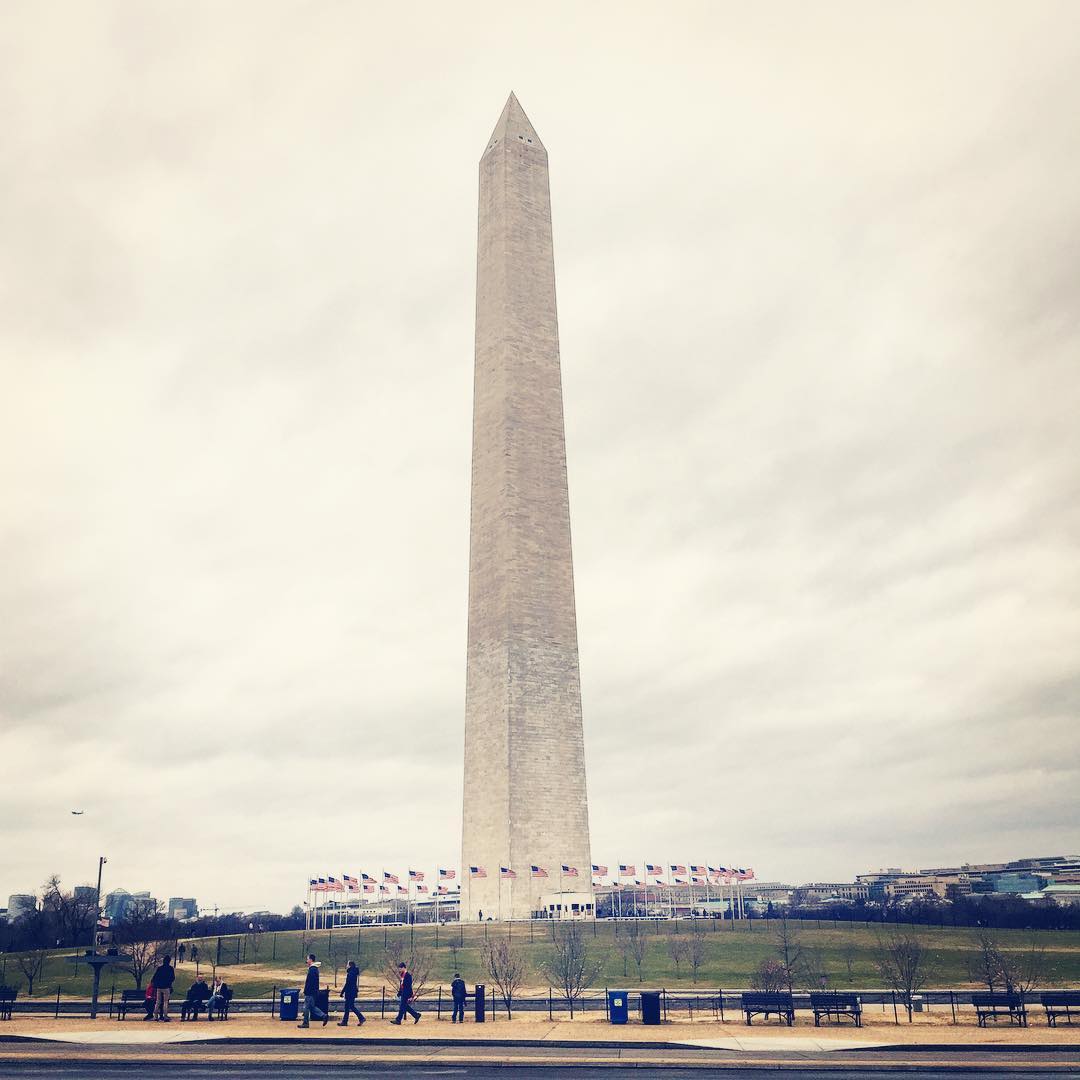
There’s something about a monument that feels less like a tourist stop and more like a quiet instrument—measuring time, measuring weather, measuring the distance between what we imagine and what we live.

The Washington Monument rises into an overcast sky, pale and steady, as if it’s been holding that color for years. Below it, the flags keep moving, repeating their small, tireless gestures. People pass through the frame at ground level—walking, pausing, looking up—ordinary silhouettes against a structure built for the long view.

“Thank you GW” is a simple line, almost casual, but it lands with weight when you’re standing there. Not in the loud, celebratory way. More like the way an old house creaks at night and reminds you it’s still around, still doing what it was made to do.

In Washington, DC, history isn’t tucked away; it’s out in the open air, sharing space with bus routes, winter grass, and the muted hum of a city going about its day. The monument doesn’t ask for much attention, but it gets it anyway—because it’s hard not to look at something that tall and think about what had to happen for it to be there.

Mostly, I felt grateful for the stillness. For the scale. For the reminder that some things are meant to outlast the weather.

Nutcracker Night

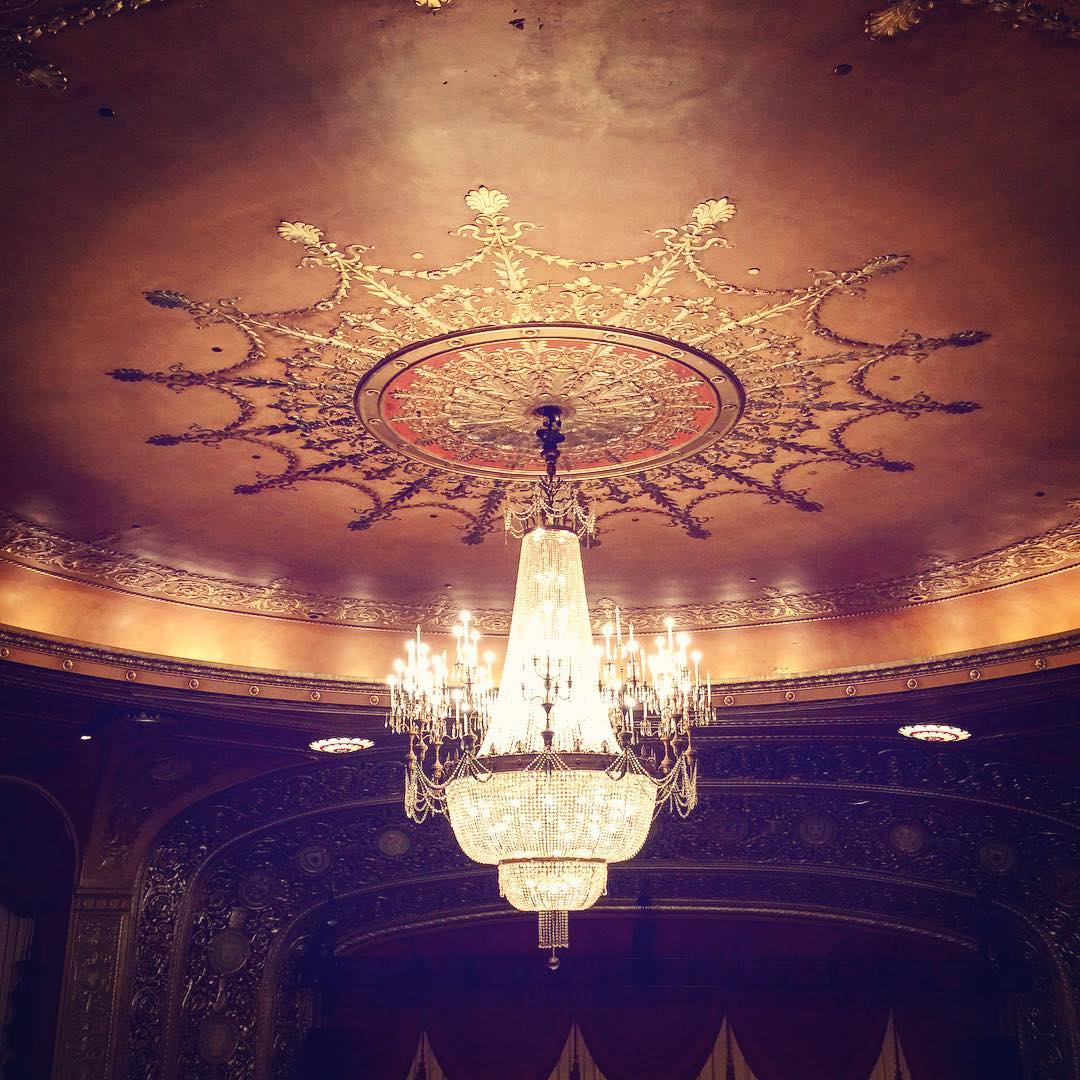
There’s a particular hush that settles over a theater on a winter night, the kind that makes even your coat feel like part of the ritual. Outside, December presses in with its cold, but inside everything glows—gold leaf, velvet shadows, and the soft patience of people waiting for the first notes to rise.

I looked up before the lights could dim and found myself caught under a chandelier that felt less like décor and more like weather: a bright, suspended snowfall, spilling warmth over the balcony railings and the ornate ceiling that curls outward like careful handwriting. Old buildings do that. They don’t just hold people; they hold time. You can almost hear them living—quietly, in the way a room breathes when it’s full.

Nutcracker Night always arrives the same way, yet never feels repeated. The story is familiar, but the feeling isn’t. It’s the small details that return differently: the shimmer of the house lights, the brief stillness before the curtain, the sense that for a few hours the world can be simpler—made of music, motion, and a little bit of wonder.

When I stepped back out afterward, the cold was waiting like it always is. But the brightness came with me, lingering the way a melody does when you’re already halfway home.

Holiday at the theatre

It’s funny how a holiday outing can feel like stepping into a different kind of weather.

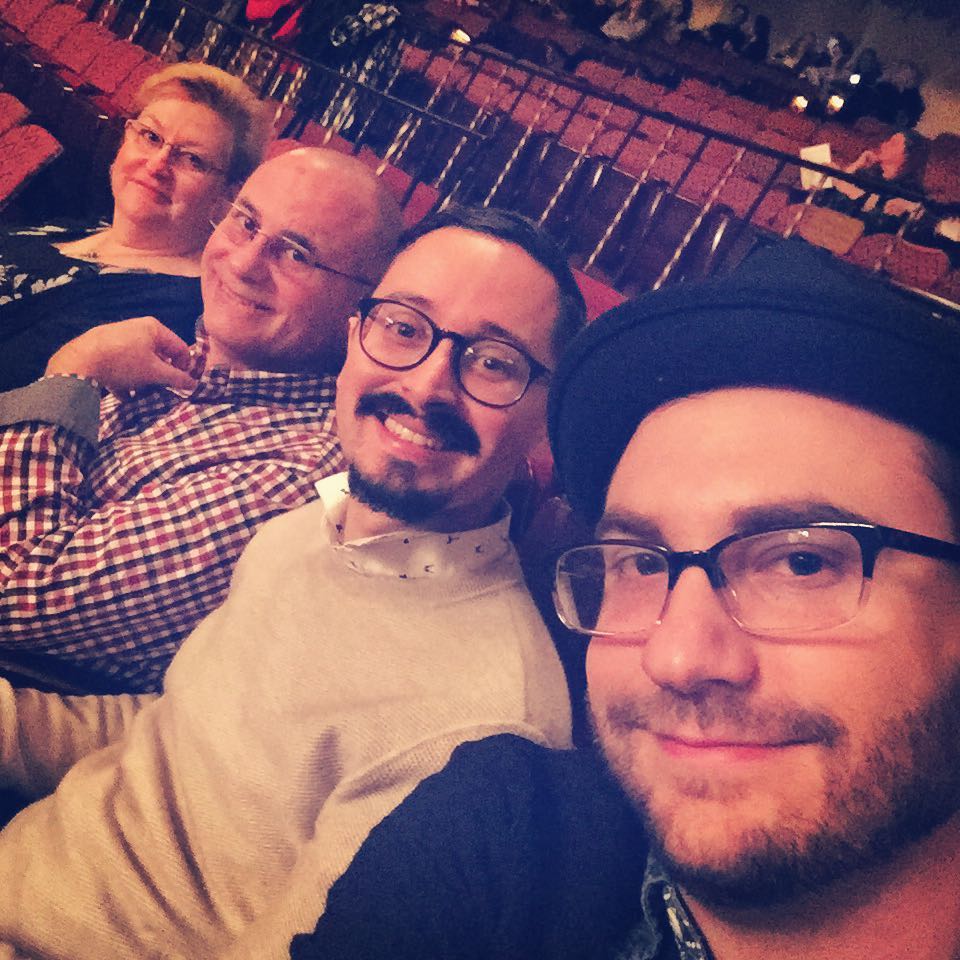
The theatre was warm and dim, that soft amber glow you only get when the house lights are still up and everyone is settling in. Rows of red seats rose behind us like quiet waves. We leaned in for a quick photo—four faces, close together—carrying that small pre-show excitement that doesn’t need much explanation.

Outside, the season is always louder: errands, plans, glittering lists. But inside a theatre, the world narrows down. You can hear small sounds—the rustle of coats, a laugh a few rows away, the faint clink of someone’s drink—like the building is breathing alongside the crowd.

We came for a holiday night at the ballet, for that familiar winter ritual: the Nutcracker, the music that seems to remember you before you remember it. There’s something comforting about sitting still while a story moves in front of you, as if the year’s rush can be folded and put away for a couple of hours.

When the curtain finally pulls you in, you realize the best part isn’t just the performance. It’s this moment right before it starts—when you’re together, waiting, and the room feels full of possibility.

That Capital Dome Though

The Capitol dome sat there like it was holding the whole sky in place.

From a distance, it doesn’t feel like a building as much as a landmark for your thoughts—something you keep in the corner of your vision while the rest of the city moves below. The day I saw it, the clouds were low and pale, and everything felt softened: the white stone, the winter trees, the long line of cars threading through the streets.

I watched it for a while and tried to listen to the scene the way you listen to a house—quietly, for the small sounds that tell you it’s alive. Traffic pulsed and paused. People drifted along the sidewalks in little clusters. The dome stayed steady, bright against the muted air, like the city had decided to pin one clean idea to the horizon.

There’s something comforting about that kind of permanence, even if you’re only visiting. You come to Washington, DC for the monuments and the history, but you leave remembering the mood: a cold afternoon, a wide view, and the feeling of standing between the ordinary and the enormous.

That capital dome, though. It really does linger with you.

Tomb of the Unknown Soldier

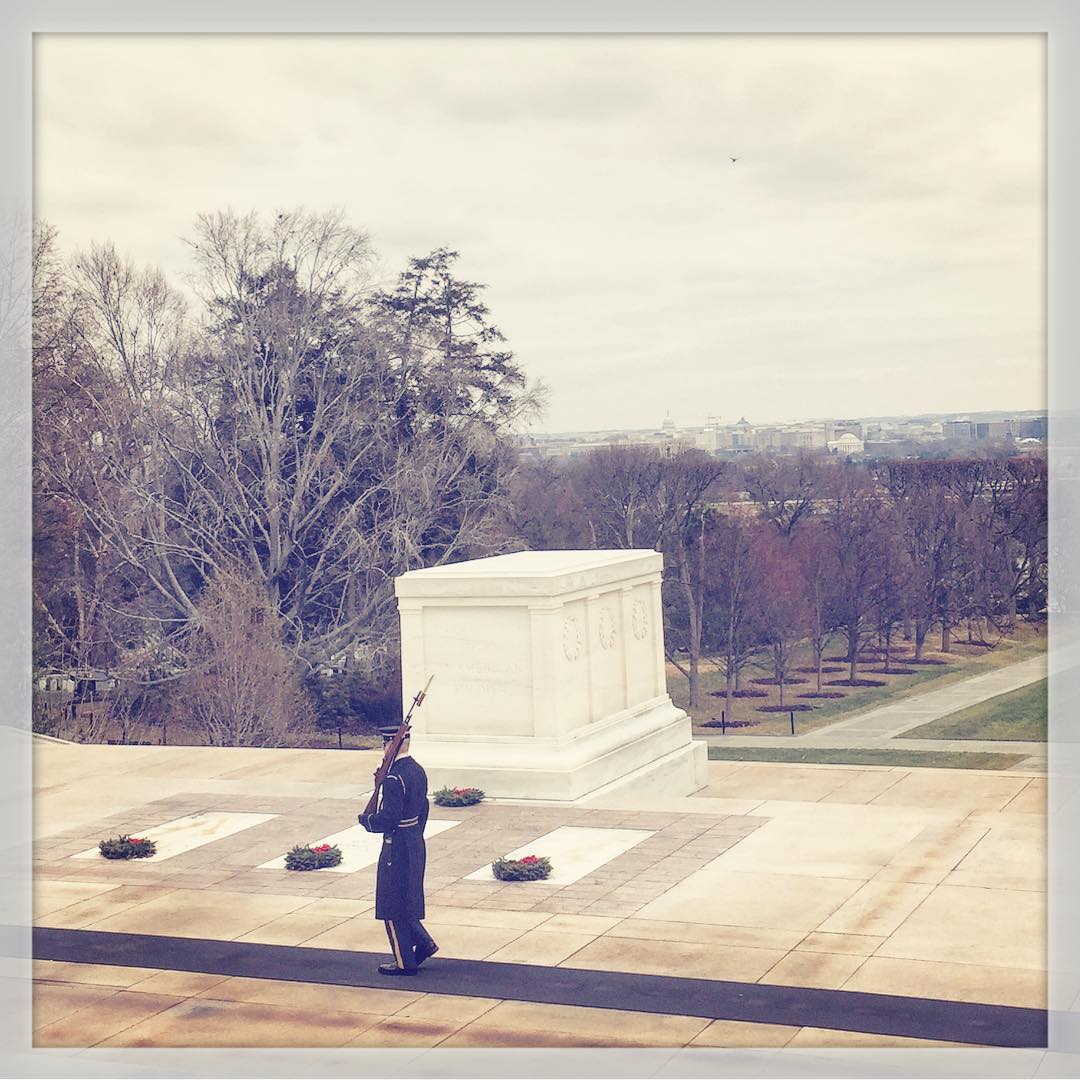
There are places where the air feels different—not heavier, exactly, just more awake. The Tomb of the Unknown Soldier is one of those places. The stone sits clean and bright against a muted sky, and everything around it seems to lower its voice.

A lone sentinel moves with a practiced stillness, each step measured, each turn exact. It isn’t performance. It’s repetition turned into devotion. The ceremony is simple enough to describe, but harder to explain: a small set of motions that somehow holds an enormous amount of meaning.

Standing there, I kept noticing the quiet details—the wreaths laid out on the pale ground, the broad openness of Arlington, the winter-bare trees, and beyond them the distant shape of the city. It’s strange how far you can see from that hill, and how close it all feels at the same time.

I thought about names you never learn, stories that don’t come with neat endings, and families who carried an absence home. The tomb doesn’t try to answer any of that. It just marks it. It keeps watch.

The changing of the guard asks for your attention, and then it teaches you what to do with it: stand still, listen, remember—without needing to make it about yourself.

Lincoln Memorial

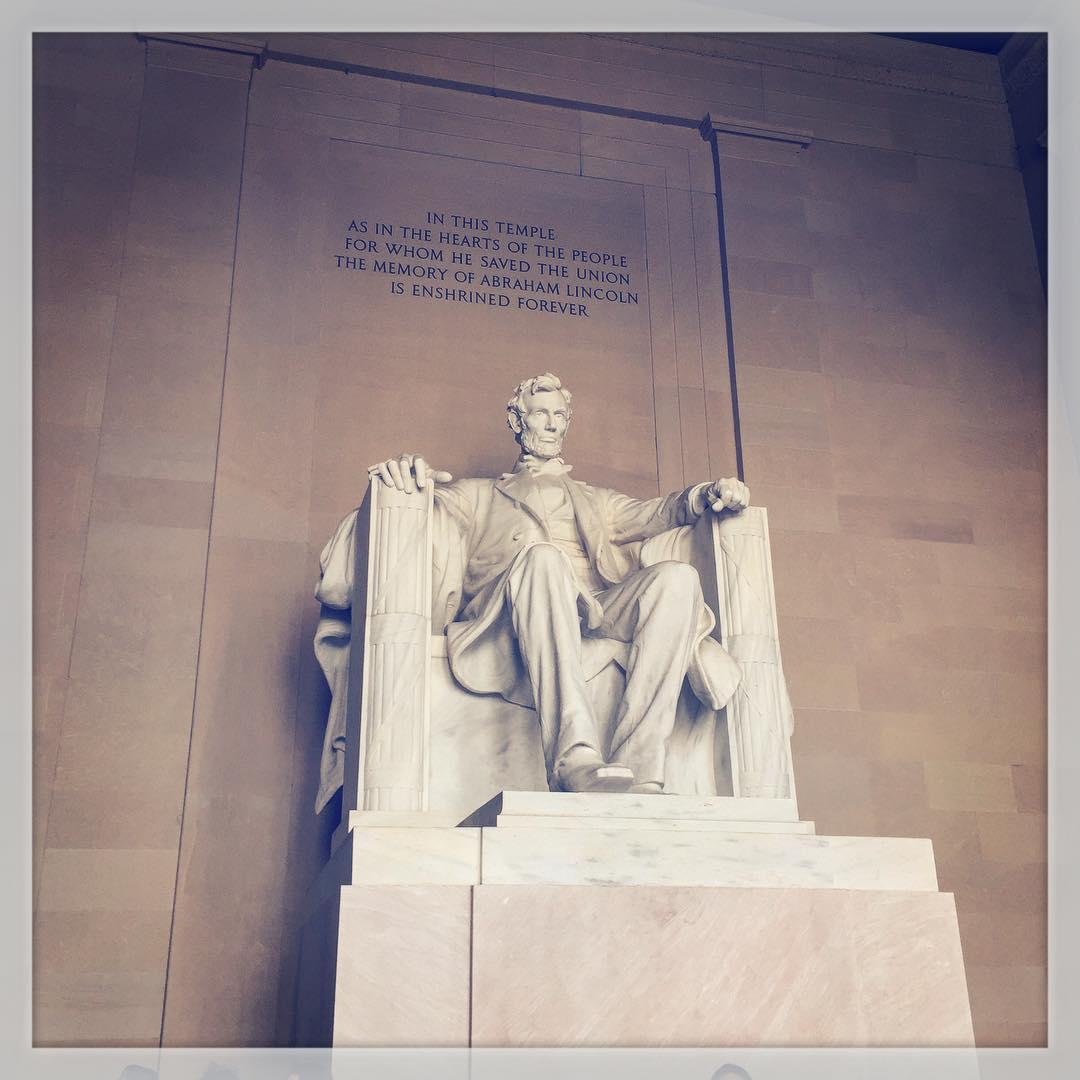
Inside the Lincoln Memorial, the air feels hushed, like the building is holding its breath. The stone walls rise up and out, plain and patient, and the seated figure at the center carries a kind of weight that isn’t only marble.

I keep looking from the statue to the inscription above it, the words set high as if they’ve been there forever, as if they’ve always belonged to the room. The light is cool and soft, and it settles into the folds of the sculpture the way winter light settles into an old house—quietly, without needing attention.

There’s something steady about this place. Not loud patriotism, not spectacle—just a calm reminder of what people can be asked to carry, and what they can choose to hold together. Even with footsteps and distant voices moving through the hall, it still feels like a private moment.

Some landmarks overwhelm you with detail. This one does it with space. You stand there, small against all that stone, and you can almost hear one world pushing up against another: the present pressing forward, the past refusing to be smoothed over.

I left with that familiar mix of calm and melancholy—the sense that memory lives in structures, and that certain rooms are built to keep it from slipping away.

Blue Dinosaur Birthday Scarf

There’s something quietly charming about a birthday gift that’s also practical—something you can wear on an ordinary cold morning and still feel the echo of a celebration.

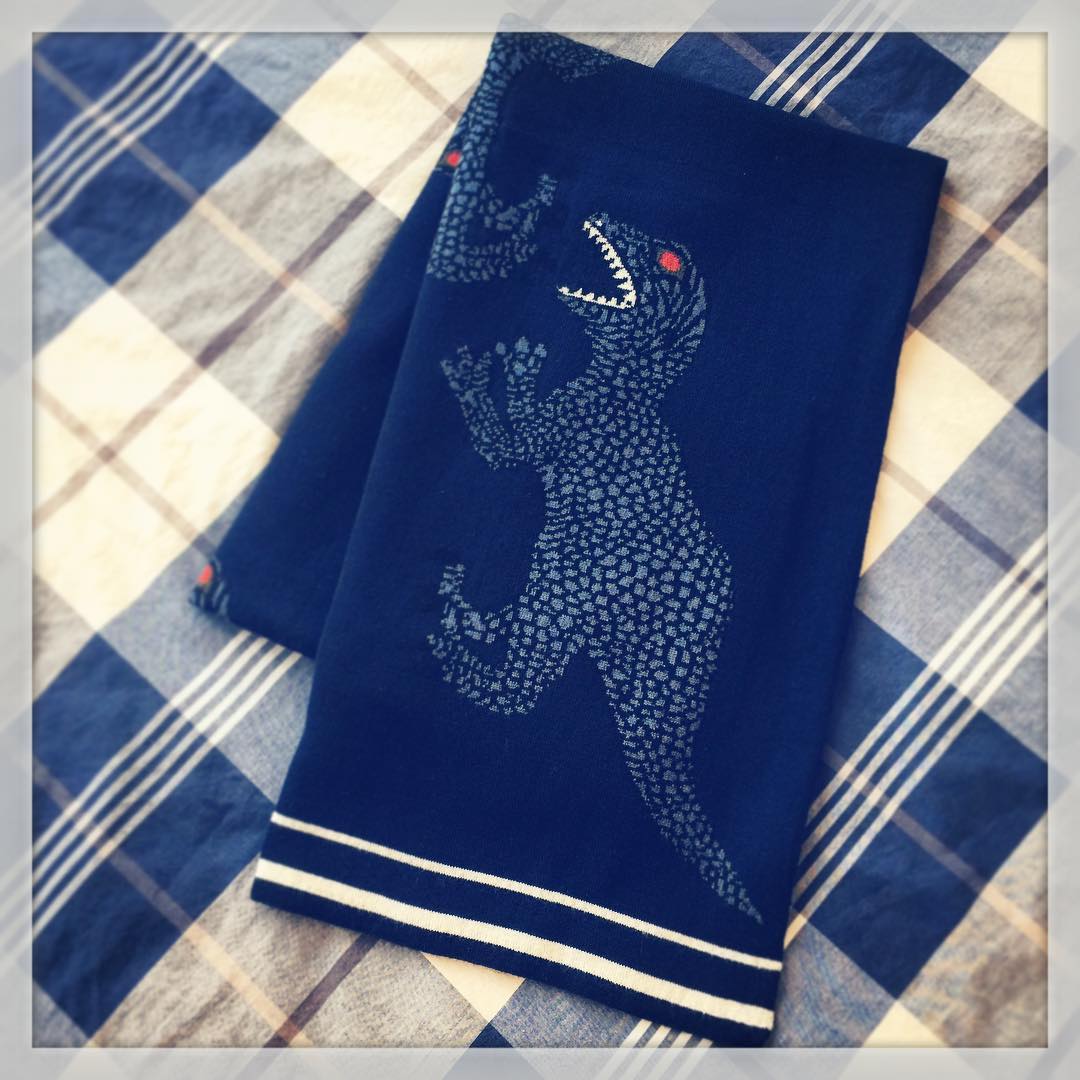
Blue Dinosaur Birthday Scarf is exactly that: a deep navy knit with a single dinosaur stitched in pale blue, its small red eye bright against the dark. In the photo it’s folded neatly on a blue-and-white plaid bedspread, the kind of background that makes the whole thing feel like home—simple, soft, and familiar.

I like gifts like this because they hold time inside them. A scarf isn’t loud. It doesn’t demand a shelf or a special occasion. It just does its job: keeps your neck warm, tucks into a coat, goes along on errands, school mornings, and late walks when the sun gives up early.

And then one day you find it again in a drawer, and the memory comes back—who handed it to you, the cake, the small moment of being seen.

The dinosaur is playful without being busy, like a private joke stitched into the fabric. For a kid who loves prehistoric creatures, it’s an easy kind of magic. For the rest of us, it’s a reminder that growing up doesn’t have to mean sanding down every strange joy.

Sometimes the best birthday things are the ones that keep showing up, long after the candles are gone.

Hot Toddy with Bae

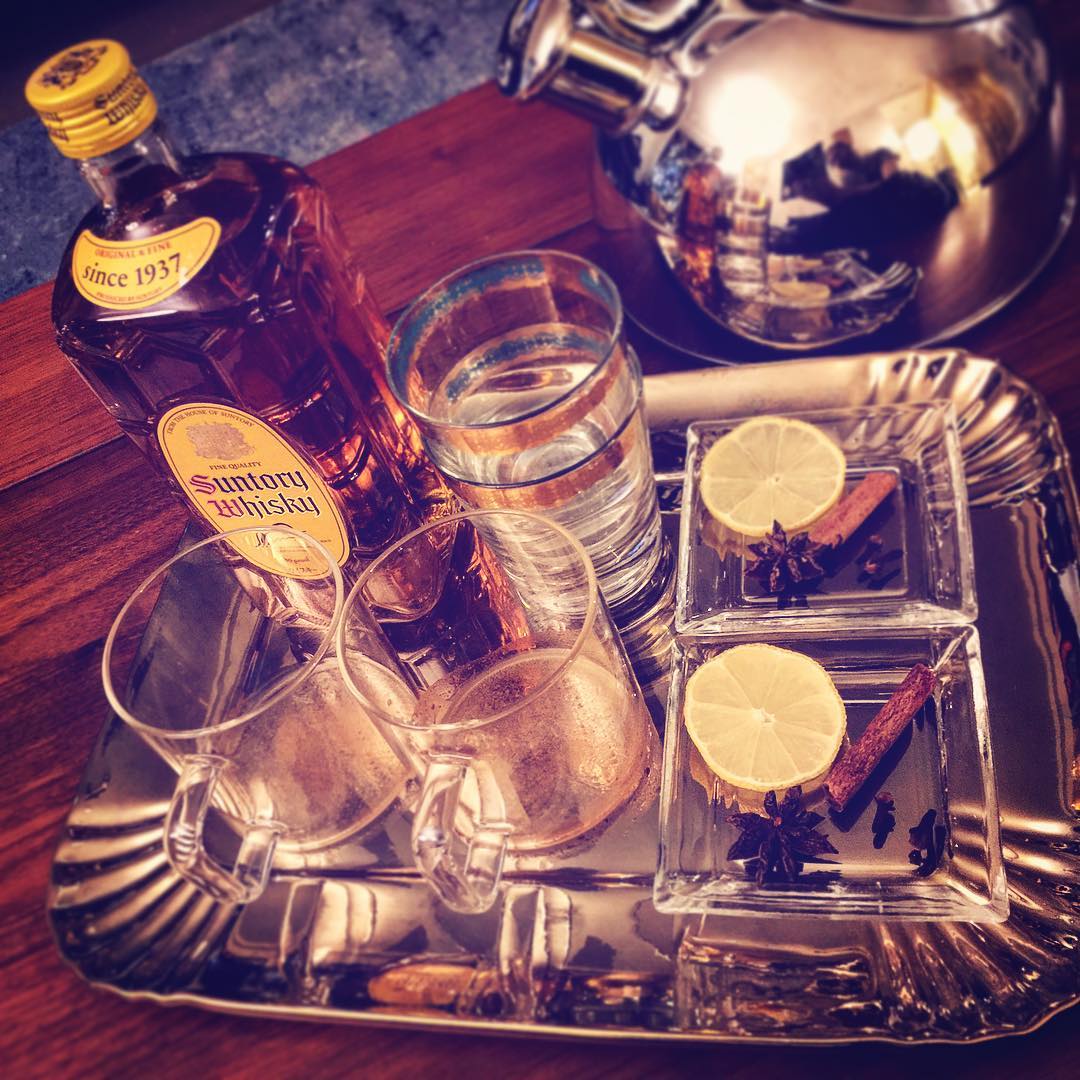
There’s something quietly grounding about setting everything out before the cold really settles in—like preparing a small ritual against winter.

On the tray: two empty glass mugs waiting to be warmed, a bright cut of lemon, cinnamon sticks, a few cloves, and star anise—sharp little reminders that comfort has edges. Beside it all sits the whisky, and in the reflection of the kettle you can almost see the room gathering itself: countertop, light, the soft blur of a home being lived in.

A hot toddy doesn’t need much. It’s not complicated, and that’s part of the point. You boil the water, let the steam fill the space, and measure the whisky without overthinking it. Add lemon for clarity. Add spice for depth. Honey if you want it gentler. Then you hand a mug to the person next to you and feel the day loosen its grip.

“Hot Toddy with Bae” is a simple title, but it holds the whole scene: the shared warmth, the small pause from whatever’s outside the windows, the way winter makes even ordinary moments feel a little more deliberate.

If you’re reading this with cold hands, take it as permission—set out the tray, heat the kettle, and make something that warms the air as much as it warms you.

The First Snow also on My Birthday Weekend

The first snow arrived quietly—right on my birthday weekend—and it changed the view outside the window into something softer, almost hushed. The city turns pale and powdery, and for a moment it feels like everything has been asked to slow down.

Inside, the room stays warm and familiar. A small tree glows in the corner, lights blinking against the gray afternoon. A “Happy Holidays” banner hangs across the windows like a small attempt to name the season before it fully settles in. Balloons linger at the edges of the room, a gentle reminder that celebration doesn’t always need noise.

I like this kind of contrast: winter pressing its cold face to the glass while the inside stays lit, lived-in, and steady. Snow has a way of making even ordinary corners feel more intentional—plants lined up on a sill, a lamp left on, the quiet shape of furniture waiting for the next cup of coffee.

There’s a particular feeling that comes with the year’s first snowfall: not exactly joy, not exactly nostalgia, but something in between. A small mystery in the mundane. If the weekend is a marker, then the snow is too—another sign that time is moving, and that it’s okay to pause and watch it fall.

Make A Holiday Wish

There’s something quietly ceremonial about a wishbone—small, ordinary, almost weightless in your hand, and yet it asks you to pause. To hope on purpose.

In the photo, the wishbone is set against a pale, marbled surface, like a simple relic placed carefully in the open. No table crowded with dishes, no loud proof of celebration—just the bare shape of tradition, the little forked “V” that has survived generations of holiday tables.

I like that moment after the meal when the kitchen settles. The scrape of plates slows, the air cools, and the day feels bigger than whatever was said too quickly or not said at all. The wishbone becomes a bridge between the practical and the imagined. You hold it, you pull, you laugh, and for a second you’re not measuring time by deadlines or distances—just by breath and anticipation.

Maybe that’s the real holiday wish: not a grand miracle, but a softer thing. The kind that lives alongside you, like a familiar house in winter—creaking, warming, remembering. A wish to keep the people you love close, to make room for the past without being trapped in it, to step into the next season with a little more light.

If you’re making a holiday wish this year, make it small enough to carry—and steady enough to keep.

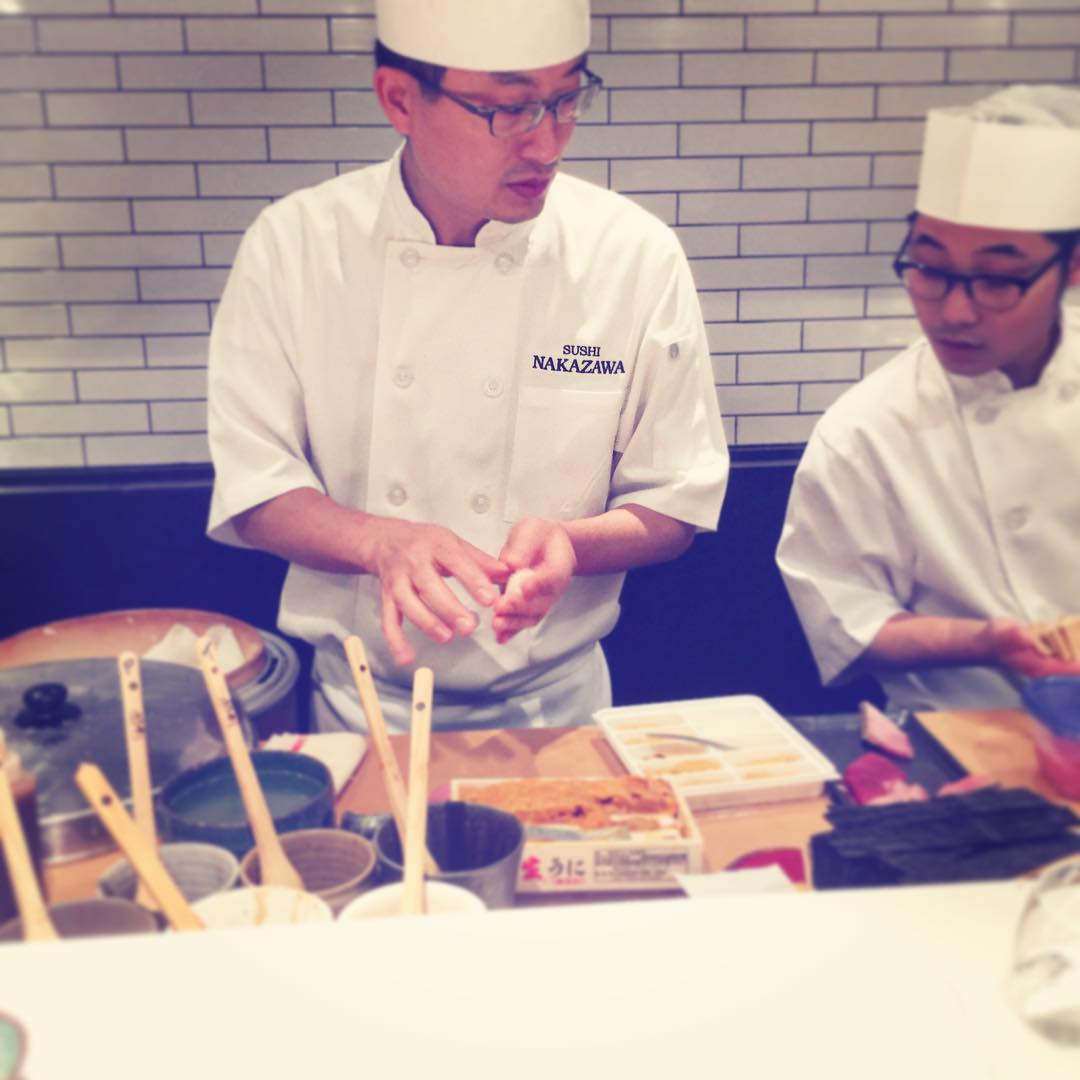
22 piece Sushi Omakase

There’s something calming about watching an omakase unfold—like standing quietly in a familiar room and listening to the house creak and breathe. Behind the counter, the chef’s hands move with a practiced ease, pressing rice, smoothing edges, pausing just long enough to let each piece become its own small moment.

This was a 22 piece Sushi Omakase, the kind of meal that arrives one bite at a time and asks you to pay attention. You don’t rush it. You sit still. You let the rhythm set in: the soft thud of the knife, the whisper of nori, the clean scent of rice warming in the air.

Some pieces feel bright and ocean-clear; others are deeper, almost buttery, dissolving before you can name what you’re tasting. Between courses, the counter looks like a workbench—tools laid out, bowls and boards, the quiet order of someone who knows exactly where everything belongs.

Omakase means trust, but it also means surrendering your usual habit of deciding. There’s relief in that. The meal becomes less about choosing and more about noticing: texture, temperature, the way a brush of soy changes the finish, the way a single garnish can pull you back into the present.

By the end, I felt that familiar satisfaction that comes from simple craftsmanship—something made carefully, in sequence, with nothing extra. Just attention, handed across the counter.

Exit mobile version